Abu Dhabi intercepts Iranian missile barrage, solidifying independent security posture
The interception of ballistic missiles and drones on 8 May 2026 underscores Abu Dhabi's intensified military alliance with Israel and its strategic pivot away from traditional Gulf oil cartels.
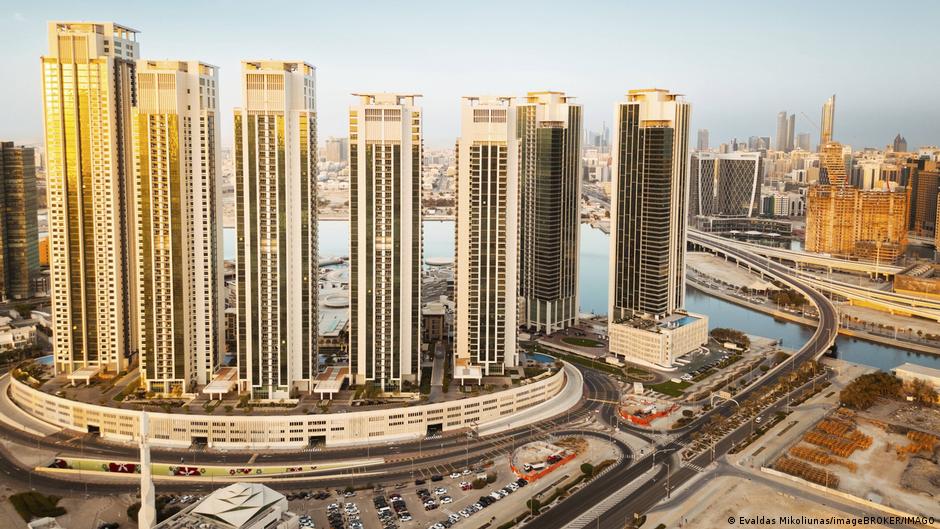
On 8 May 2026, the United Arab Emirates successfully intercepted an Iranian missile and drone attack, an event that occurred despite an active ceasefire between the United States and Iran. The UAE Ministry of Defense issued a public advisory warning residents not to approach, photograph, or touch any debris or fragments resulting from the successful air interceptions. This incident highlights a significant strategic shift for Abu Dhabi, which has intensified military cooperation with Israel—including the deployment of Iron Dome systems—and adopted a more critical stance toward Tehran regarding the Strait of Hormuz compared to other Gulf nations.
Earlier in the week, Mohamed Abushahab, the UAE's UN ambassador in Washington, accused Tehran of targeting the Fujairah oil industry zone with 12 ballistic missiles, three cruise missiles, and four drones. Iran's military has denied these specific allegations. Even if disputed, the allegations reflect the broader perception in Abu Dhabi that the UAE has increasingly been a target of Iranian attacks, with more than 2,800 drone and missile strikes recorded since the US and Israel began the war in Iran in late February. The UAE's relationship to Israel is one of Iran's key reasons to keep striking the UAE as a form of punishment, according to Michael Stephens, senior Middle East security advisor at the Royal United Services Institute.
In response to the Iranian attacks, the UAE intensified military, security and intelligence cooperation with Israel. According to a report by the US news platform Axios, Israel sent its Iron Dome air defence system as well as operating personnel to the UAE for the first time. The closer the UAE and Israel get, the more reason Iran sees to target the UAE, Stephens noted. This divergence coincides with the UAE's departure from OPEC and OPEC+ on 1 May, an alliance that remains dominated by Saudi Arabia. Emirati officials have also been criticizing Tehran more harshly than most of the other targeted Gulf countries regarding the closure of the Strait of Hormuz.
This policy divergence aligns with the UAE's strategy under the UAE 2031 plan to diversify away from oil and turn into a regional hub for digital infrastructure, tourism, business and investment. While the UAE and Bahrain normalised ties with Israel, Saudi Arabia suspended normalization talks following the Hamas terror attacks on Israel on October 7, 2023, and the ensuing two-year war in Gaza. The UAE's departure from the OPEC+ alliance further signals a move away from the traditional oil-centric foreign policy that has long defined the region.
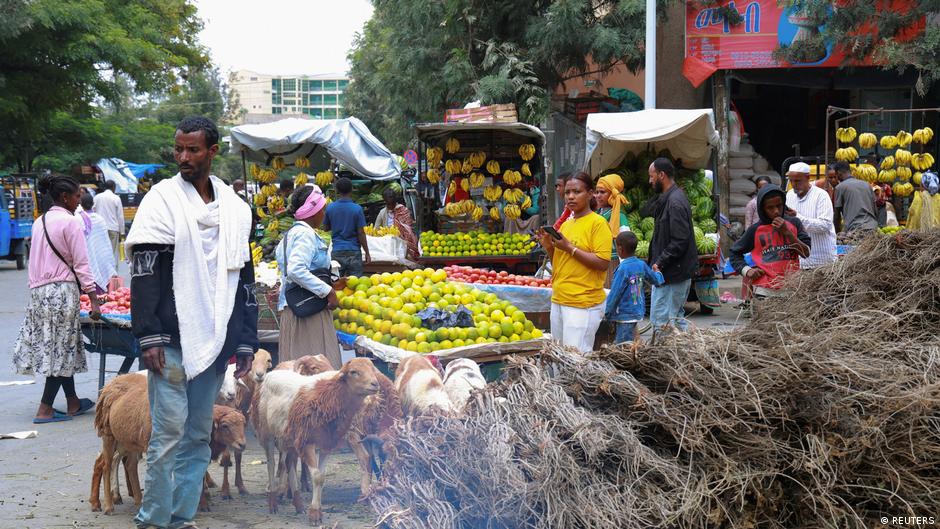
The UAE has also pursued policies that differ from those of its much larger neighbour, Saudi Arabia, particularly regarding involvement in African conflicts. Wolfram Lacher, senior associate Africa and Middle East at the German Institute for International and Security Affairs, described the United Arab Emirates as one of the most aggressive external actors in African conflicts. In recent years, it has been involved in Libya and Ethiopia, and currently most prominently in Sudan, Somalia and Yemen. This is essential for the UAE because these corridors ensure long-term access to strategic resources and trade routes.
A defining feature of Emirati engagement is its limited deployment of its own military forces but projecting influence through local partners, often non-state armed actors. Lacher noted that the UAE funds and provides military equipment to foreign fighters and mercenaries, including Sudanese combatants in Libya and, more recently, Colombian mercenaries in Sudan. Emirati officials consistently deny involvement in these activities, though available evidence suggests substantial engagement. Cinzia Bianco, a Gulf analyst at the European Council on Foreign Relations, argued that Iranian hostilities pushed the UAE in the opposite direction, undermining Tehran's attempt to pressure the country into halting the military campaign.