BusinessDraft
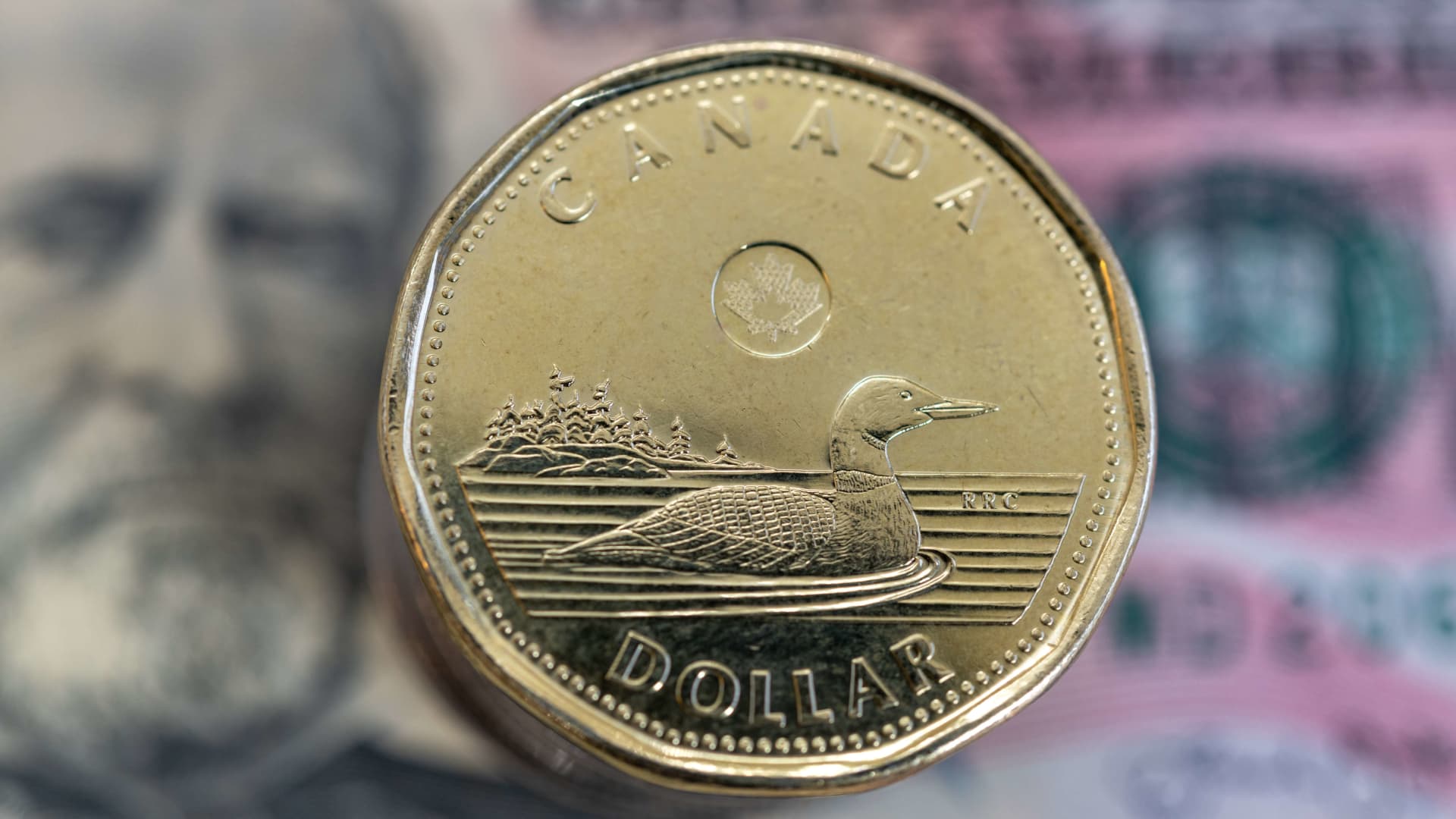
Canadian dollar slides as trade tensions with US escalate
Currency falls as analysts suggest Ottawa and Washington are moving toward an all-out trade war, with Canada facing greater exposure due to its open economy.
Markets, companies, capital, and the strategic shifts reshaping the global economy.
Currency falls as analysts suggest Ottawa and Washington are moving toward an all-out trade war, with Canada facing greater exposure due to its open economy.
Washington is set to unveil a major economic push against Tehran after the failure of a 60-day ceasefire to end the six-month conflict.

Crude oil values declined on Monday as investors awaited the specifics of a new US sanctions campaign against Iran, described by Washington as its toughest ever.
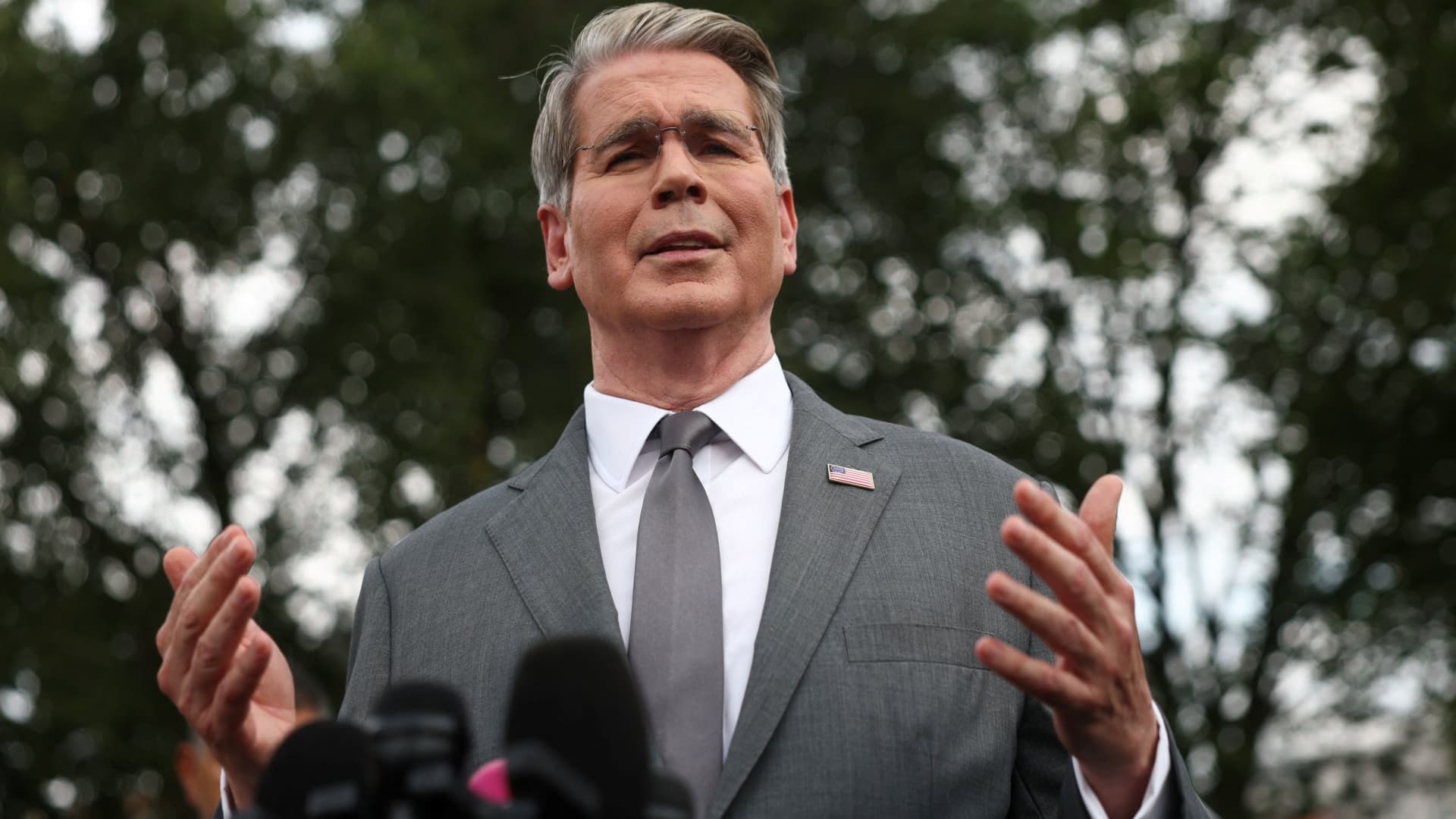
Scott Bessent is set to unveil a new package of measures against Tehran, which he has described as the most severe in history, even as Iranian officials dismiss the prospect of economic warfare.
The Economist assesses that Scott Bessent’s verbal intervention to lower bond yields is unlikely to succeed, even as US markets absorb the shock of new sanctions on Iran.
Despite training thousands of units and holding a technological advantage over international rivals, significant financial returns for the sector remain distant, according to The Economist.
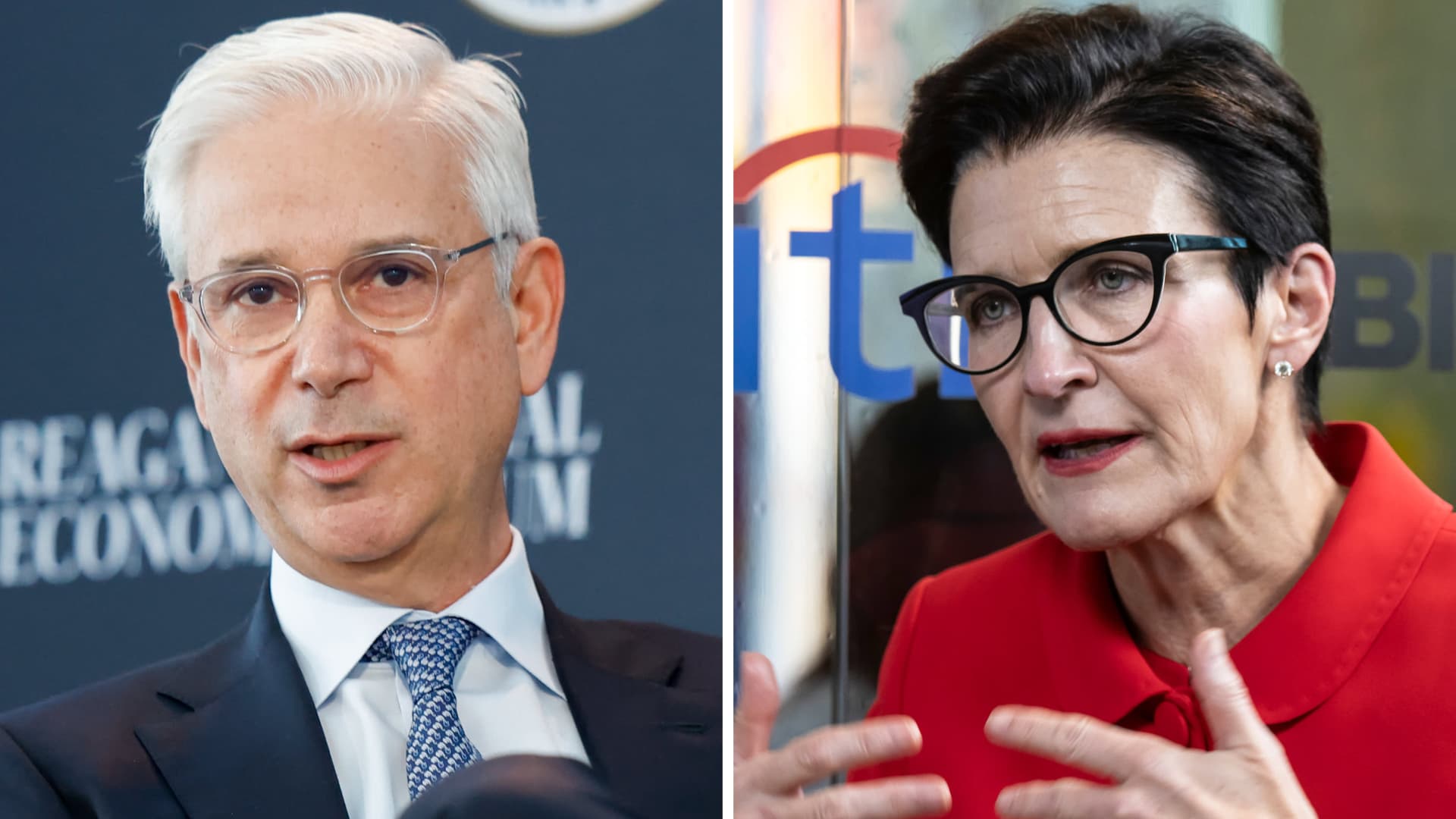
US regulators have signalled permissiveness towards large-scale banking mergers, identifying two major institutions with the capacity to acquire five specific regional targets.
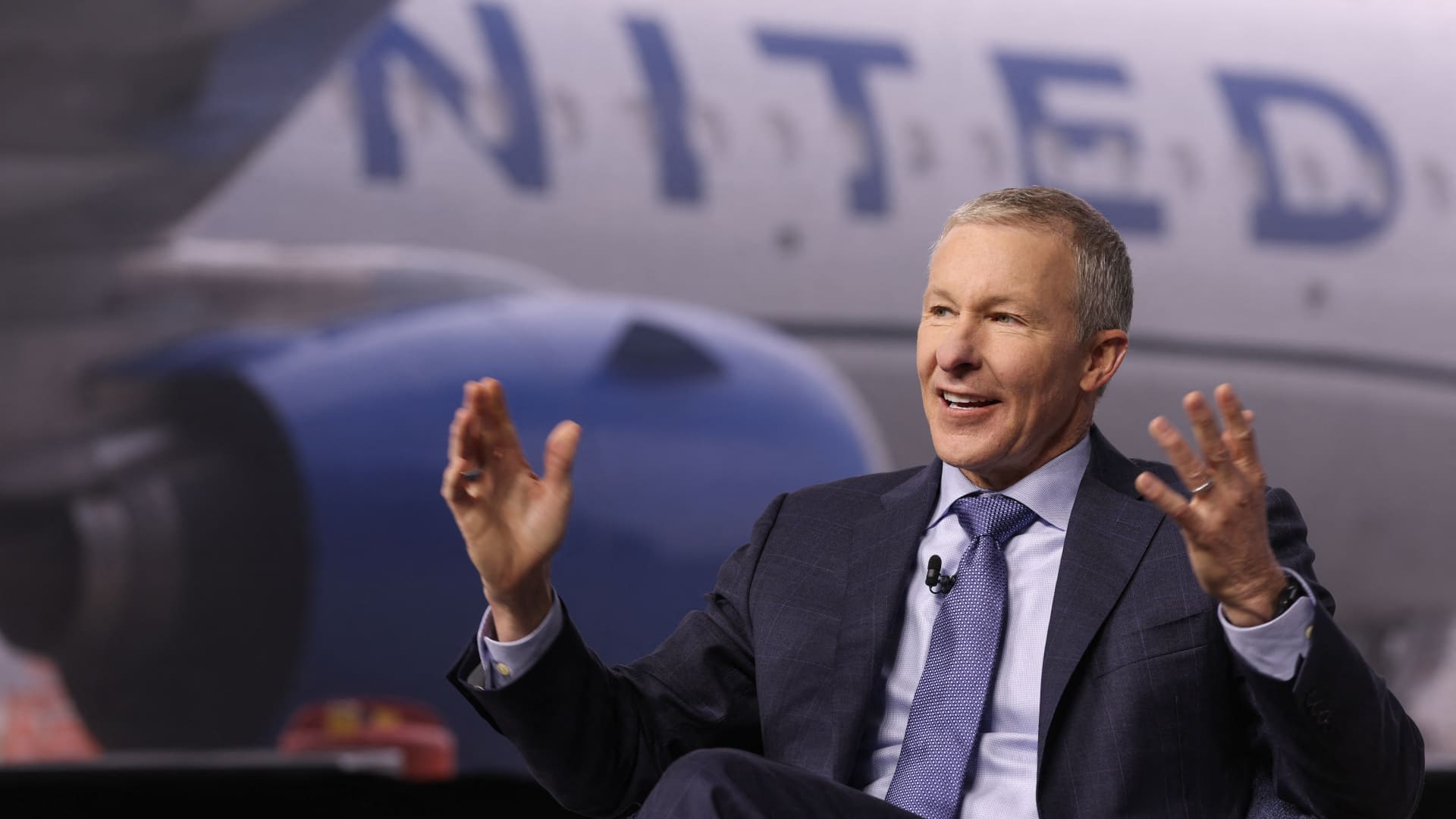
After a decade leading the carrier, the executive discussed proposed industry consolidation and technological integration in a wide-ranging interview with CNBC.
A new opinion piece argues that local regulations are the primary barrier to high-rise development in India, citing Hyderabad as a case study of irrational planning rules.
The Economist argues that standard security protocols, rather than novel technological fixes, are sufficient to address the specific risks identified by major AI developers Anthropic and OpenAI.
The Economist’s US editor argues that President Donald Trump’s focus on oil has become a losing proposition, a view sharpened by recent sanctions against Iran and volatile market reactions.
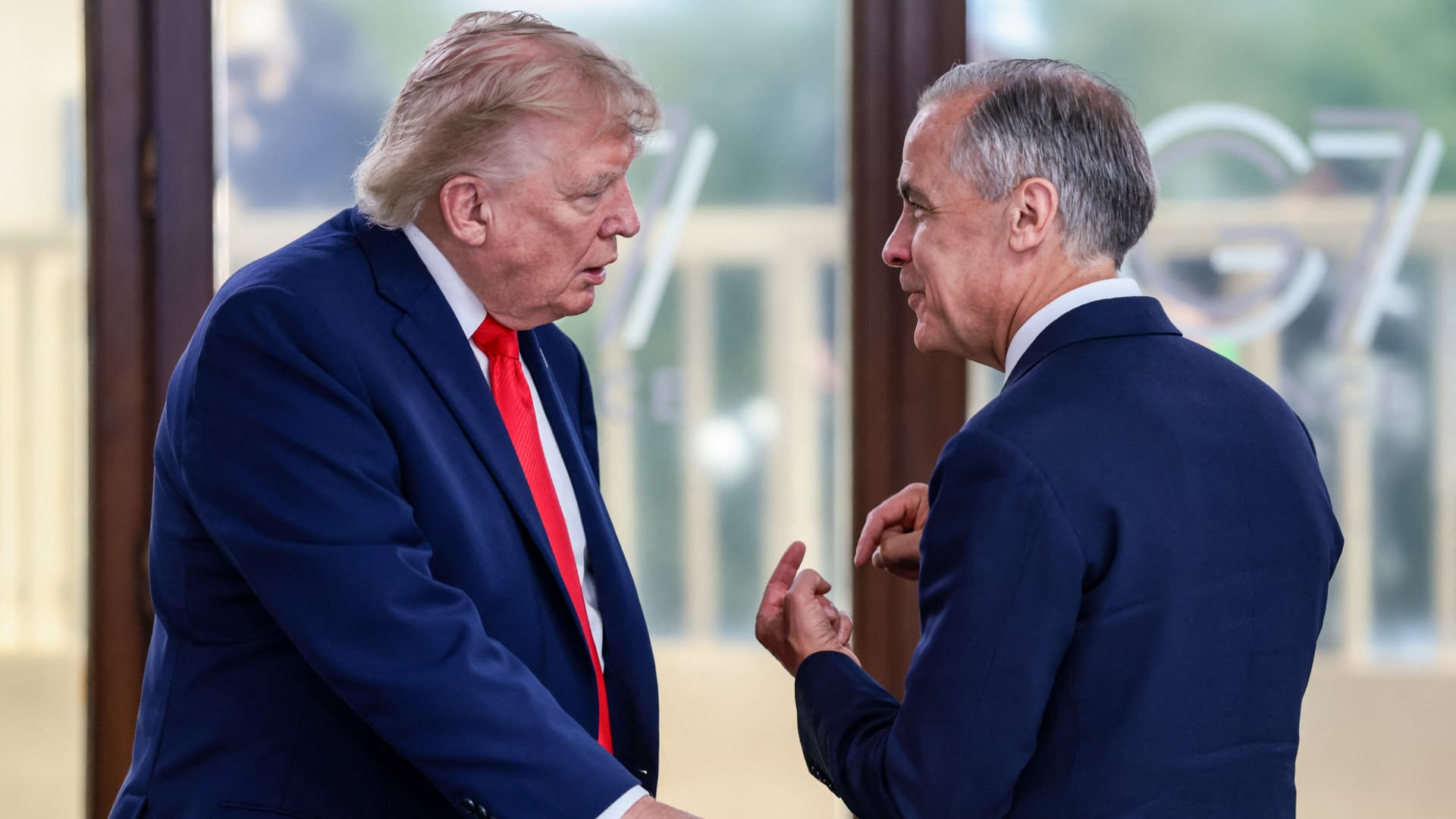
Fresh trade barriers have taken effect after bilateral negotiations between Washington and Ottawa failed to secure an agreement.

The beverage giant is leveraging its innovation labs to streamline production for fast-food partners seeking to improve margins.

The jurist known for presiding over high-profile technology litigation is now handling a case with the potential to significantly influence Meta’s future trajectory.

Tehran has formally criticised upcoming American economic measures as an infringement on its sovereignty, while Washington argues the package is designed to avoid further military escalation.
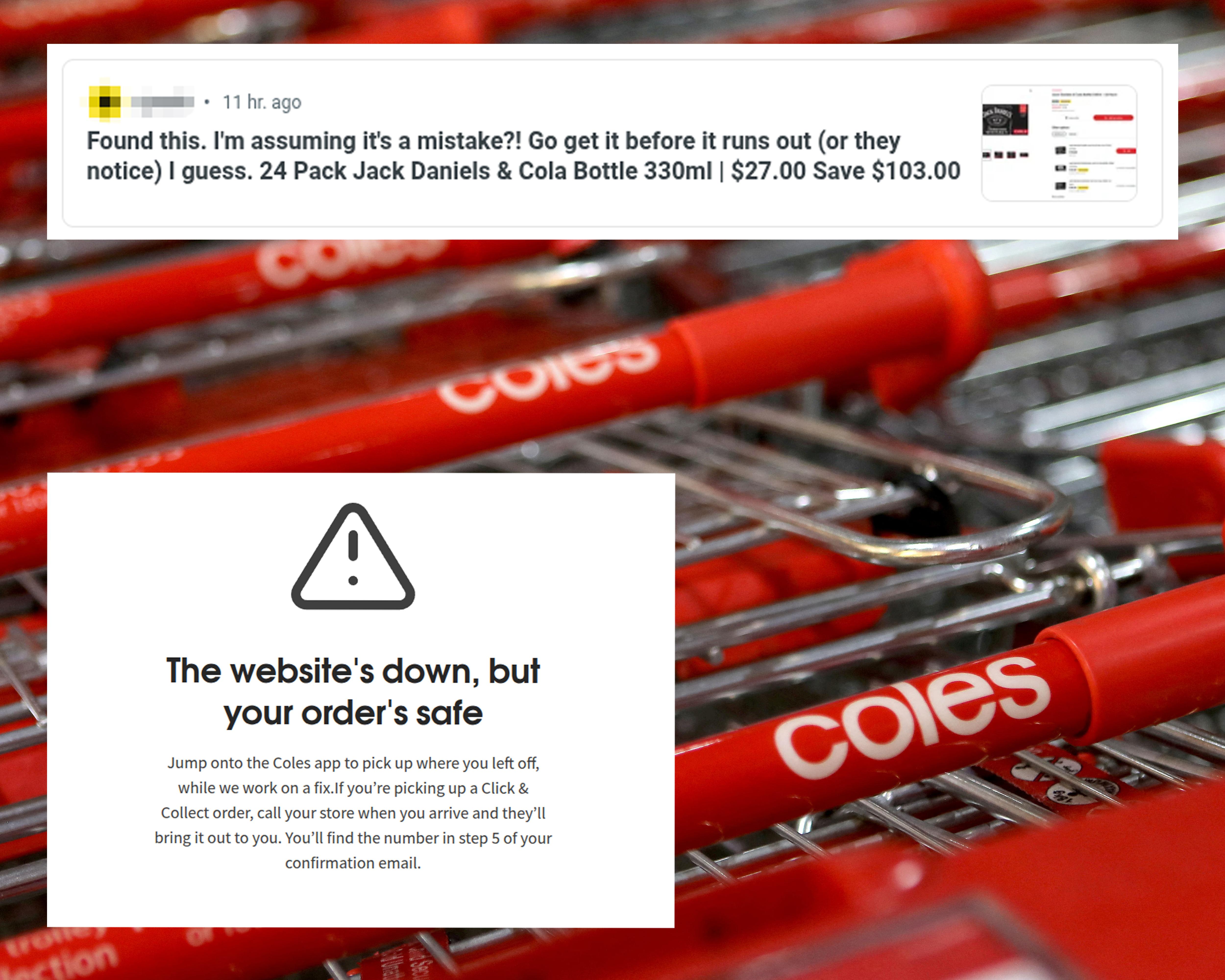
A technical glitch on Coles’ website and app offered steep discounts on 24-packs of beer and premixed drinks, prompting a site-wide outage and refund process for affected customers.
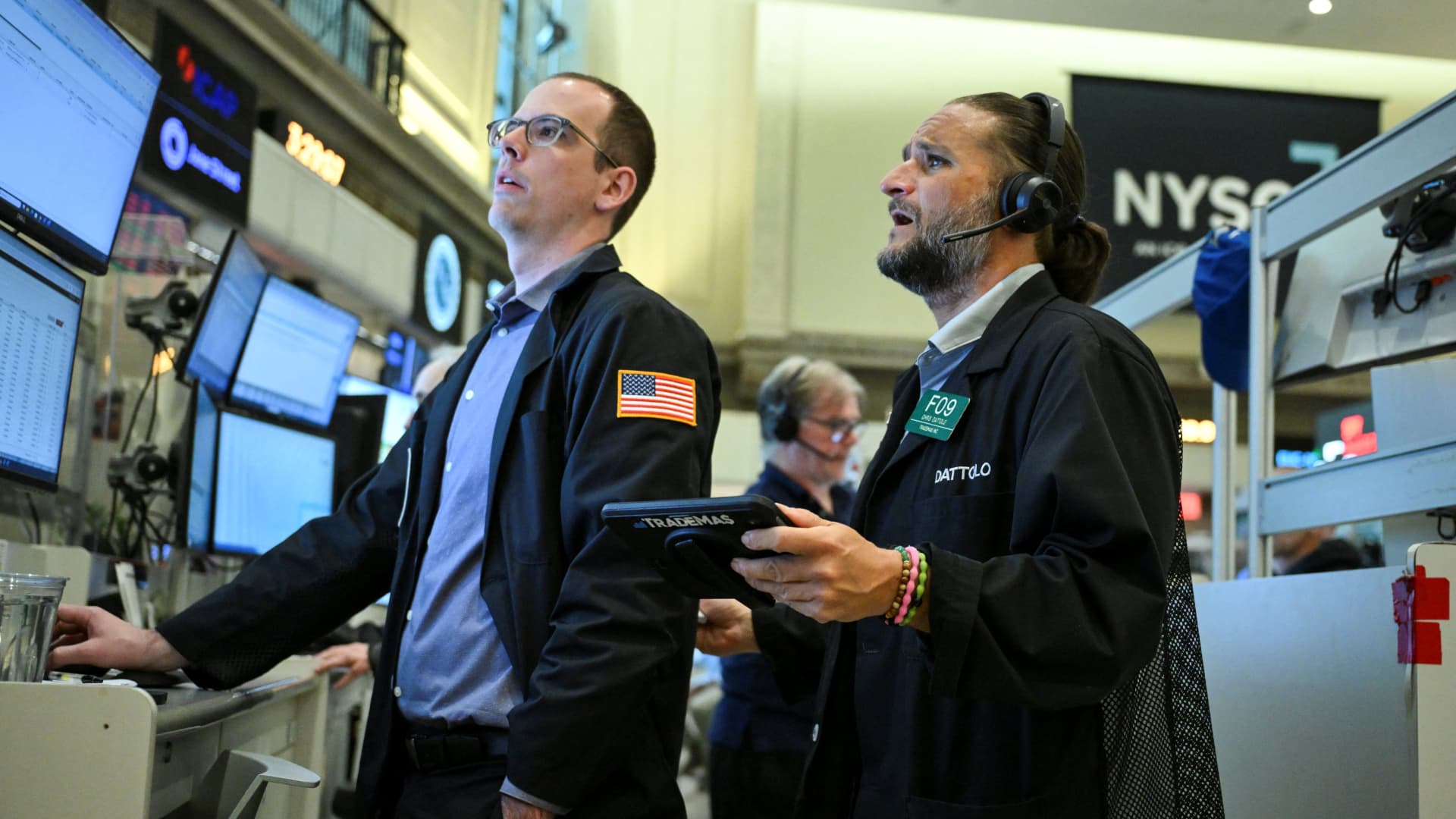
While specific concerns vary among six investors, a consensus has emerged that portfolios must extend beyond recent market winners to mitigate current threats.

The AI firm is preparing for its stock market debut amid growing public concern over data centres and job displacement.
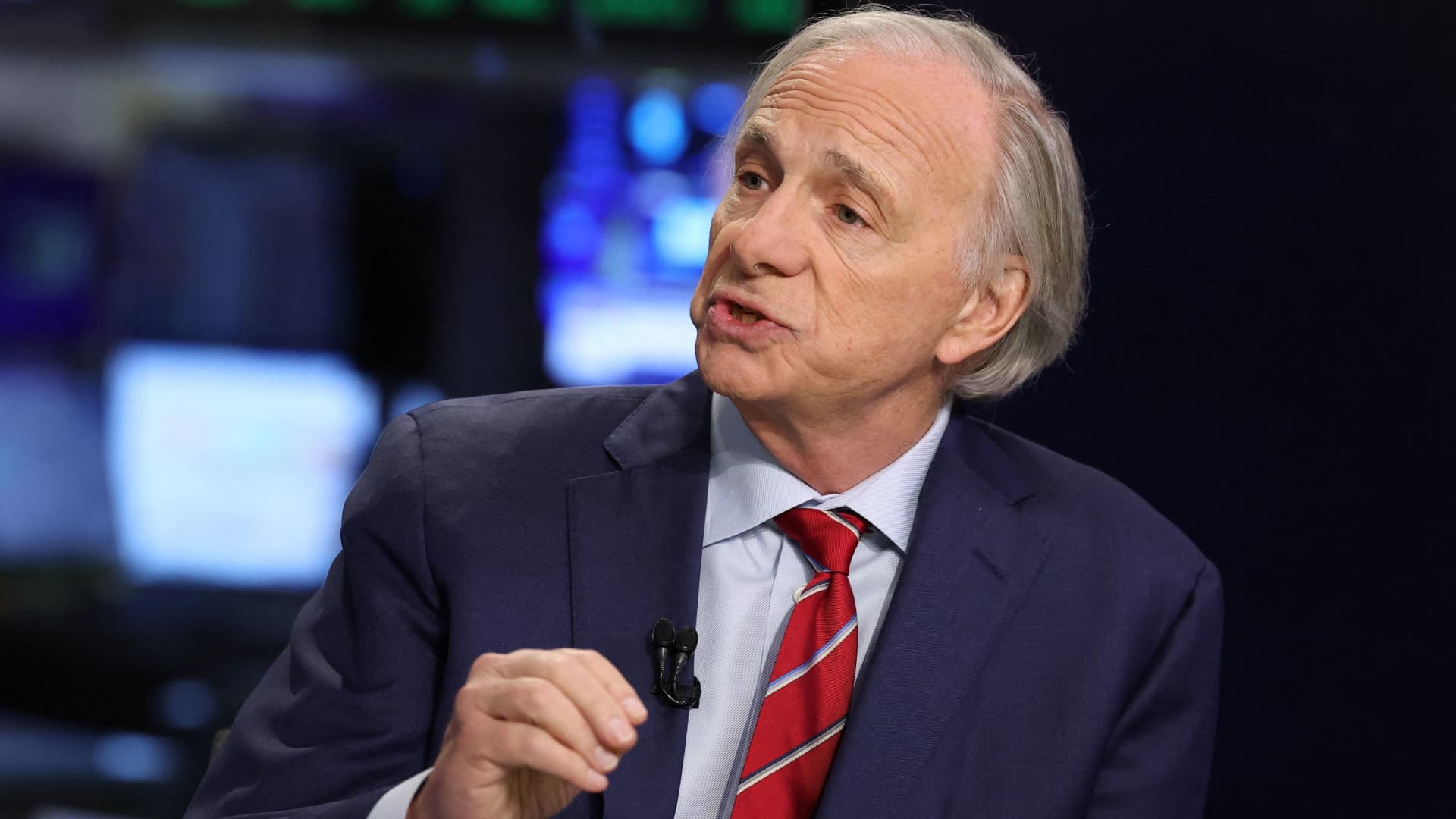
The billionaire investor says a recent debt buyback announcement by Scott Bessent fits into a broader pattern pointing to an imminent debt crisis.
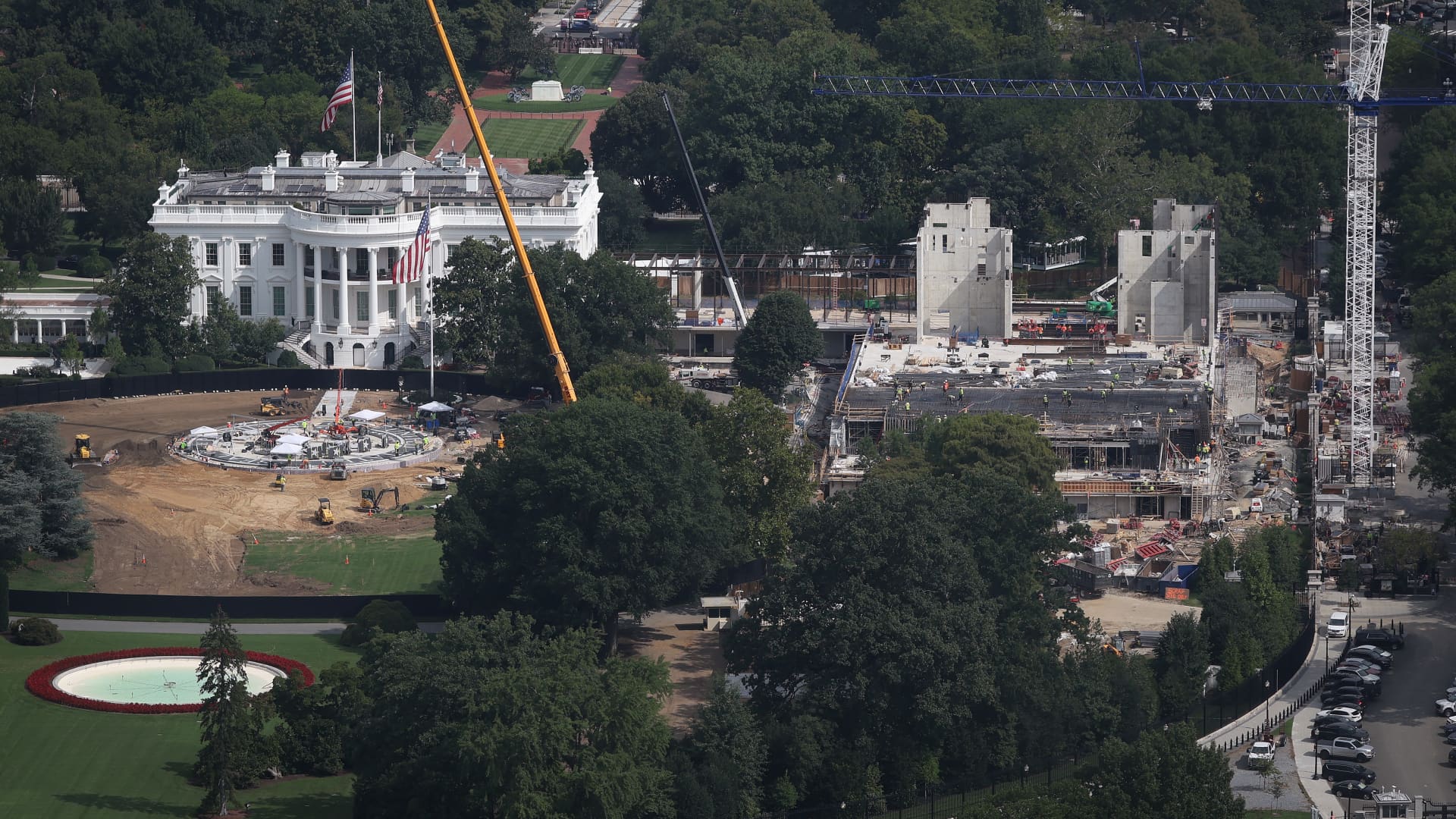
The US Supreme Court has permitted President Donald Trump to proceed with the construction of a planned ballroom at the White House, allowing the project to continue for the time being.
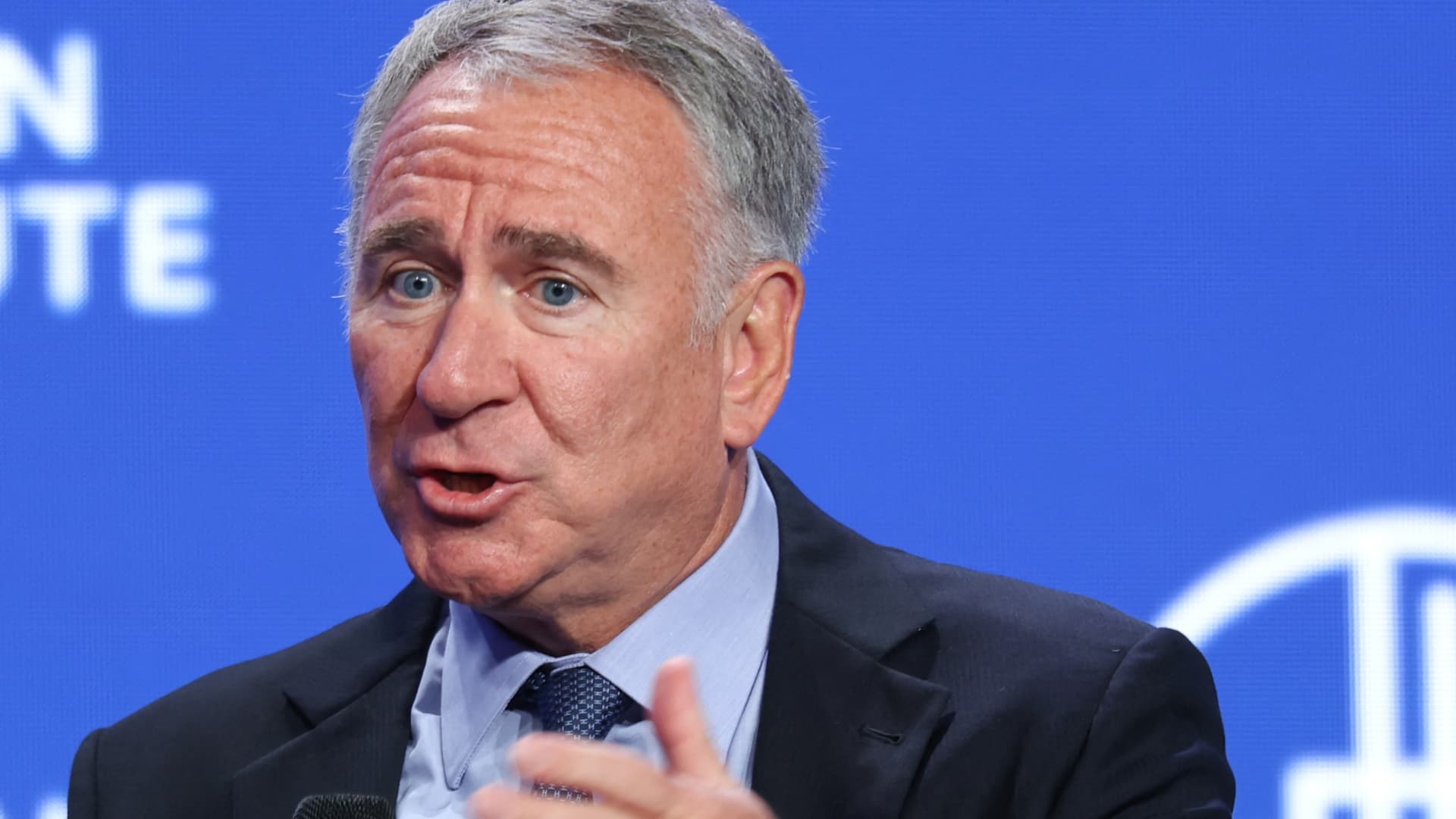
Ken Griffin has disclosed in a client letter that the hedge fund has significantly reduced its exposure to the Situational Awareness portfolio, marking the first public commentary on the asset purchase.
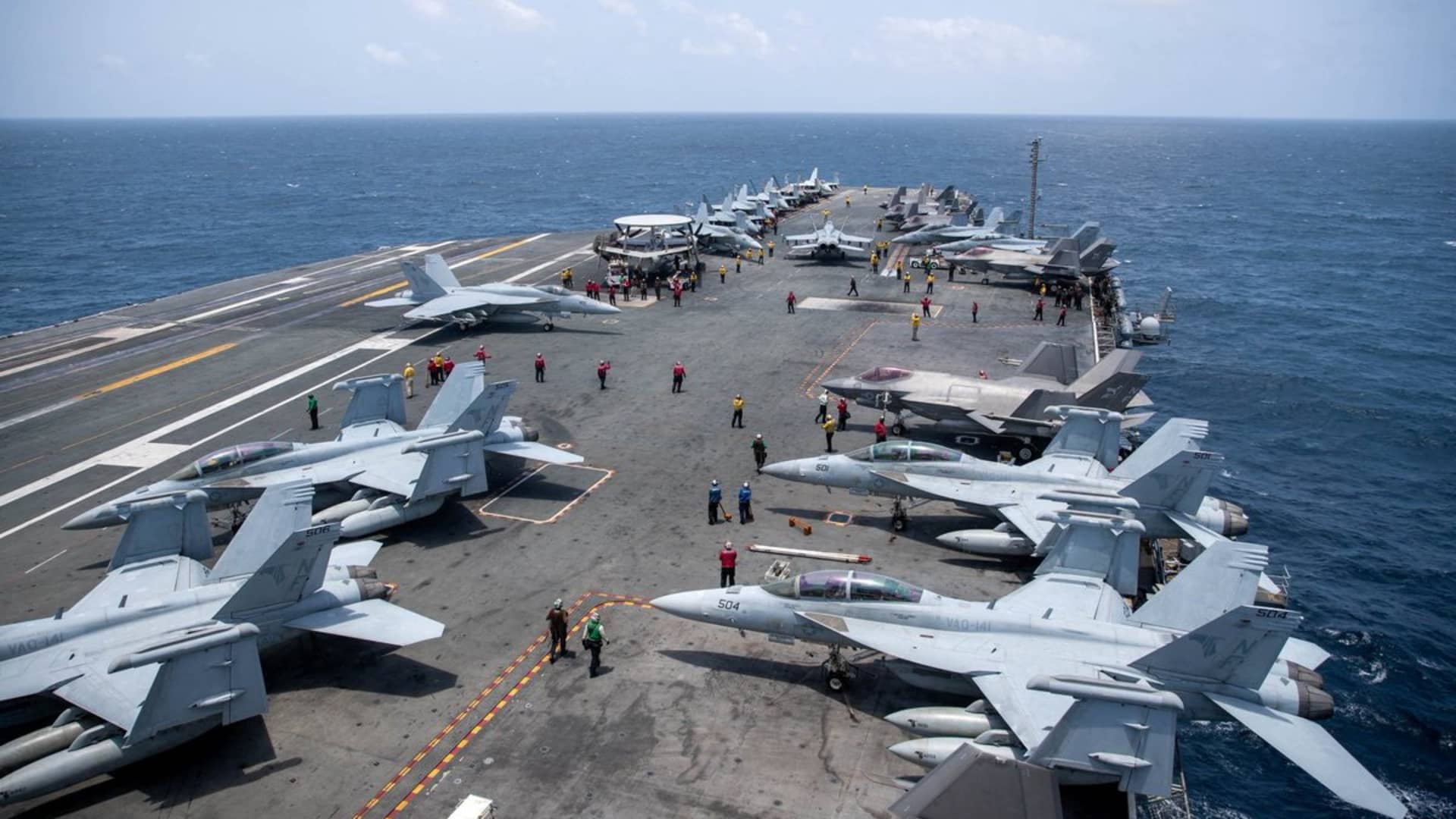
CENTCOM states it has assisted the passage of 660 million barrels of oil through the critical waterway, a development that offers some relief to markets despite the region’s contested security environment.
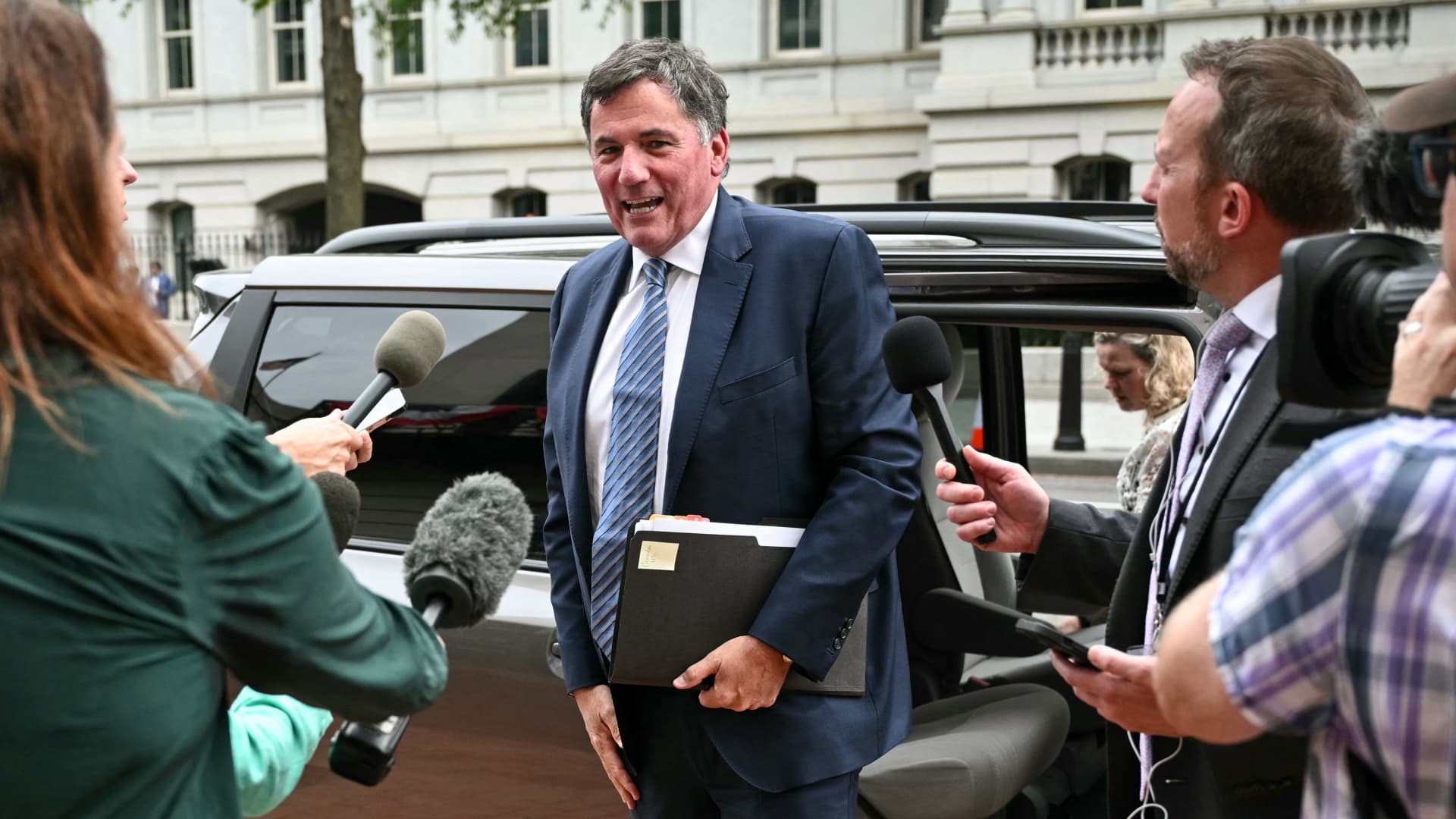
Negotiators are reportedly near a final agreement to avert proposed 50 per cent duties on Canadian goods, a move businesses fear could severely impact U.S. sales.
Oliver Morton of The Economist examines how aircraft contrails influence the climate and evaluates the argument for cloud modification as a potential intervention.
The Nobel prize-winning economist has published a robust defence of his core ideas following a critique of his work.

Nike, Starbucks and General Motors are facing intensified competition in the Chinese market, where geopolitical tensions and shifting consumer tastes are favouring local alternatives.
The latest episode of The Economist’s daily podcast, published on 21 August 2026, examines the intersection of artificial intelligence and consciousness, alongside a review of rising sexually transmitted infections in Europe.
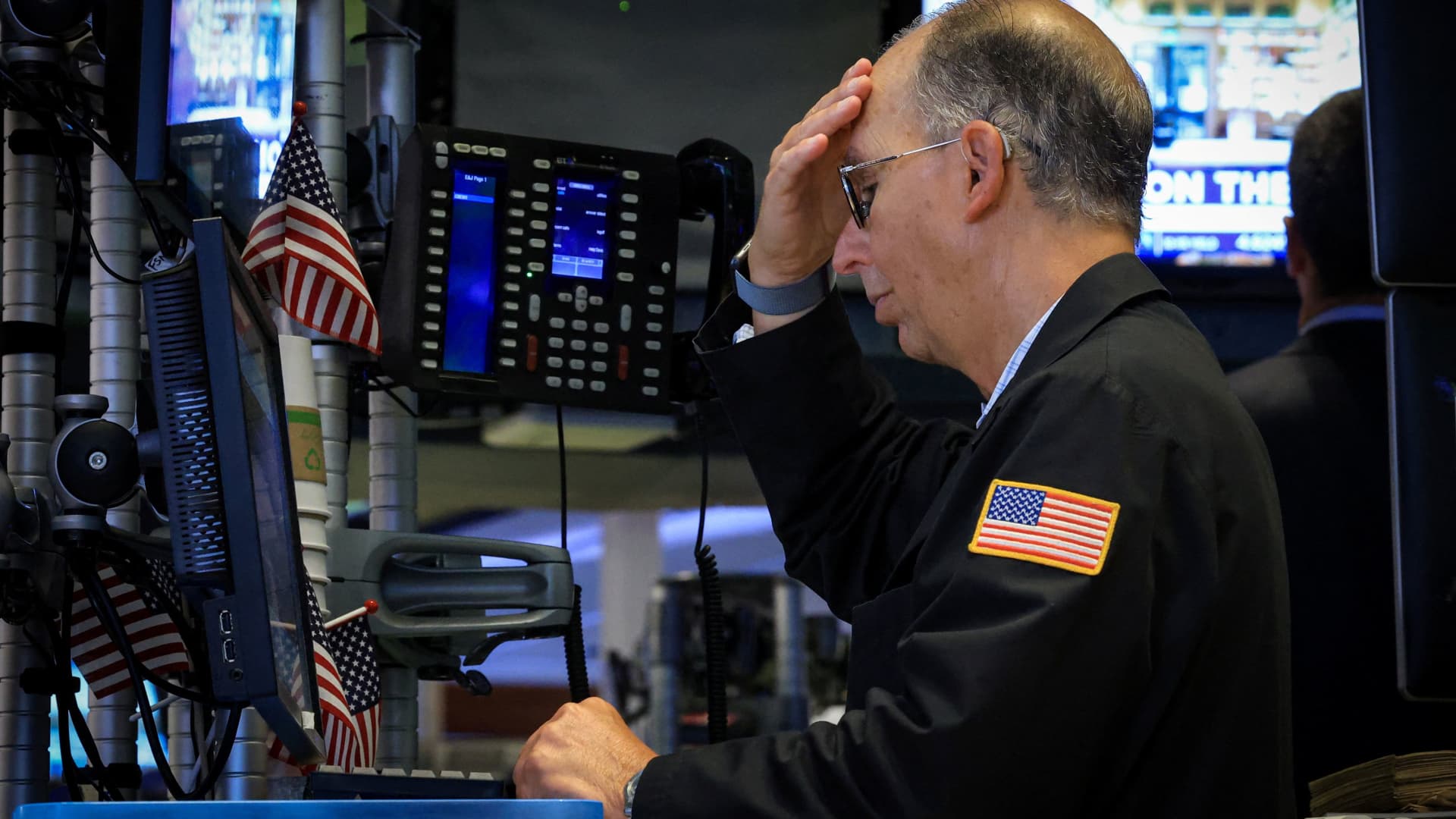
Longer-dated US Treasury yields climbed on 21 August as the market rally driven by Treasury Secretary Scott Bessent’s debt repurchase programme lost momentum.
A convicted fraudster has emerged as a central figure in facilitating Moscow’s use of digital assets to bypass international financial restrictions.
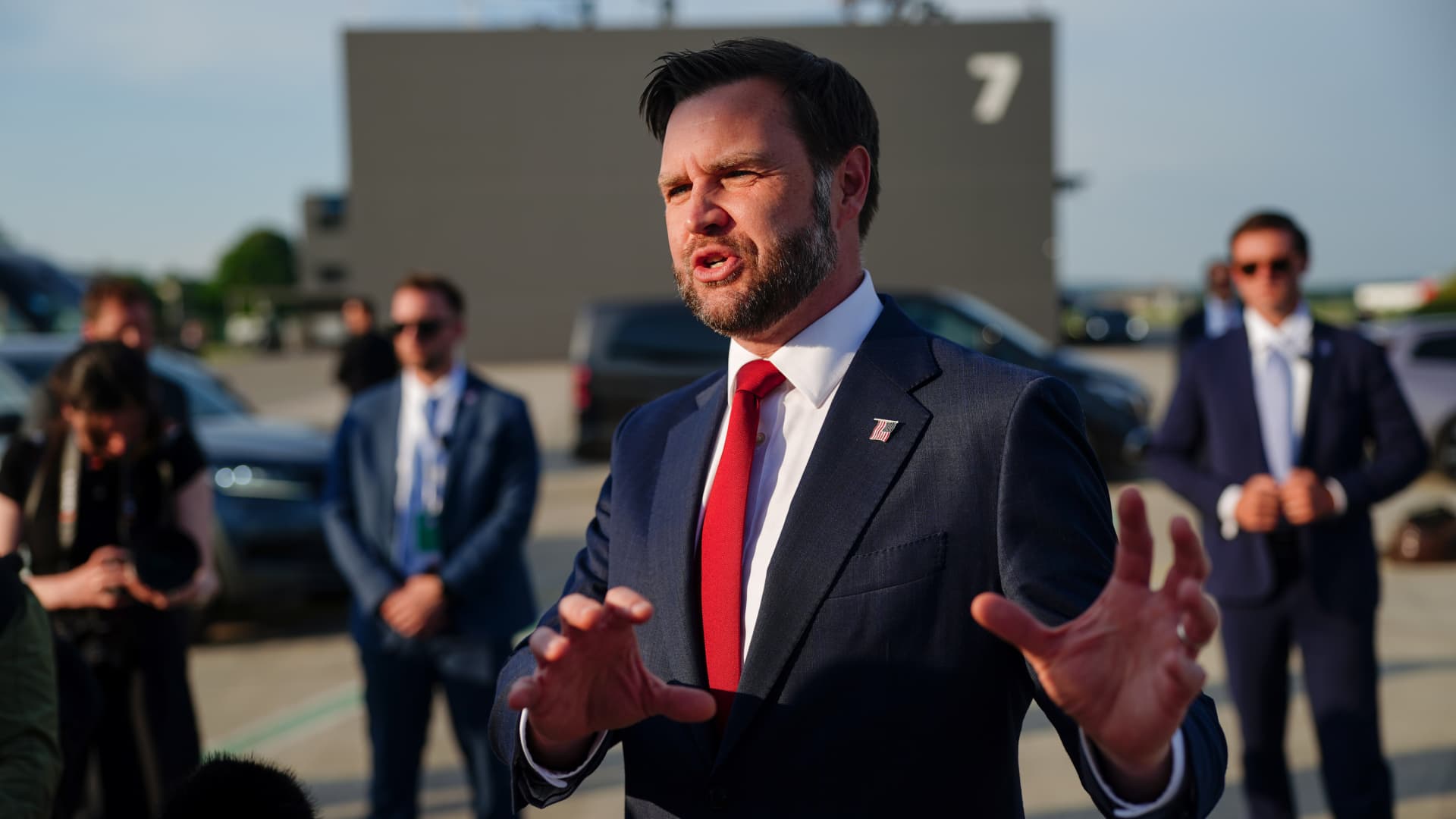
US Vice President JD Vance has described the current diplomatic dynamic with Iran as a "delicate dance," arguing that sustained economic pressure remains the most effective lever for Washington to achieve its strategic objectives.
James Sullivan argues that current US Treasury measures risk deferring the underlying debt problem rather than resolving it.

A persistent gap in labour efficiency remains the primary barrier to the widespread adoption of Chinese humanoid robotics, according to recent reporting.
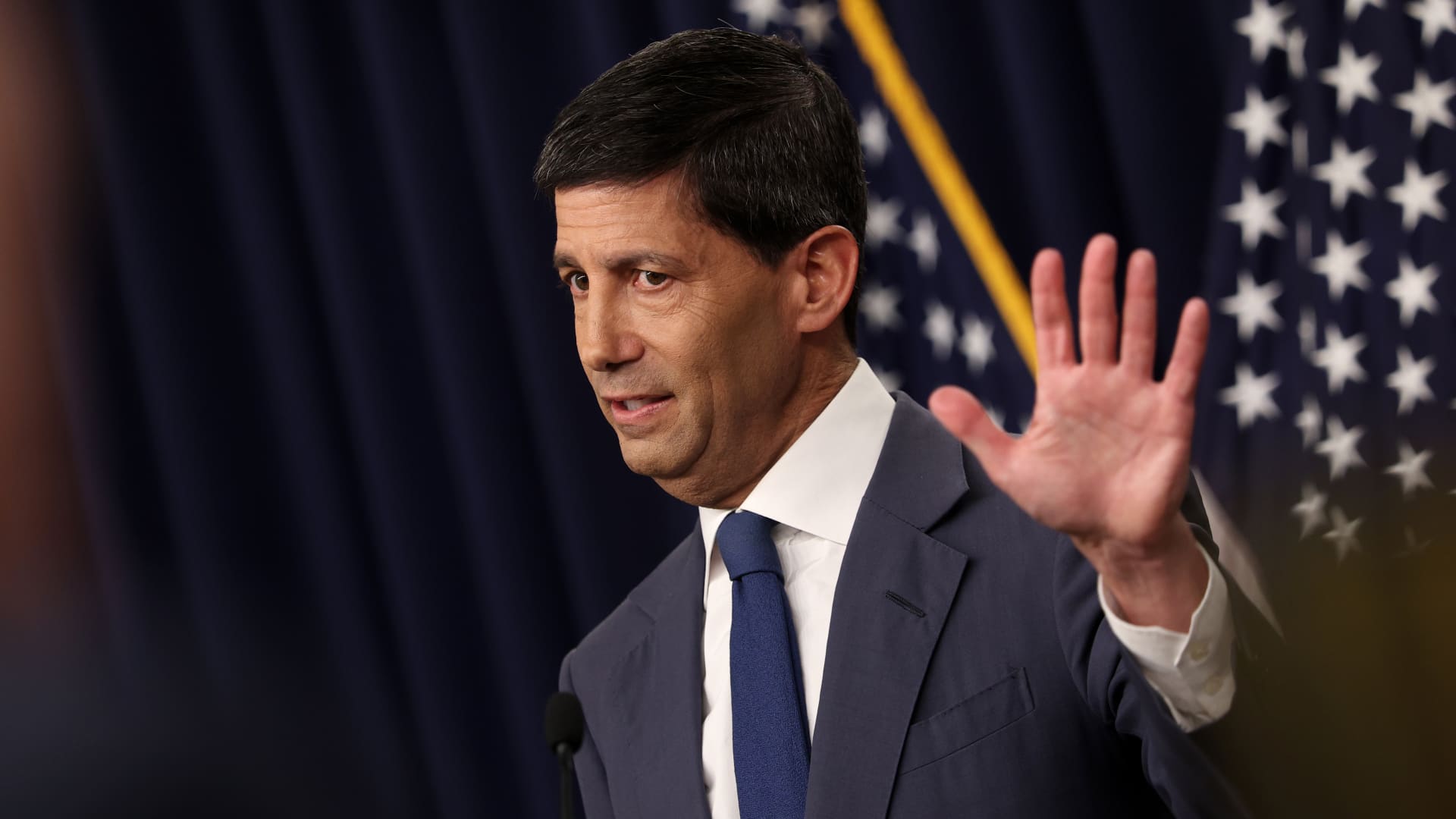
Treasury Secretary Scott Bessent’s push to lower long-term US Treasury yields is encroaching on Federal Reserve territory, forcing Chair Kevin Warsh to define the limits of institutional coordination.
The bestselling historian argues that economic and political risks demand caution, urging that society not rely entirely on clever machines.
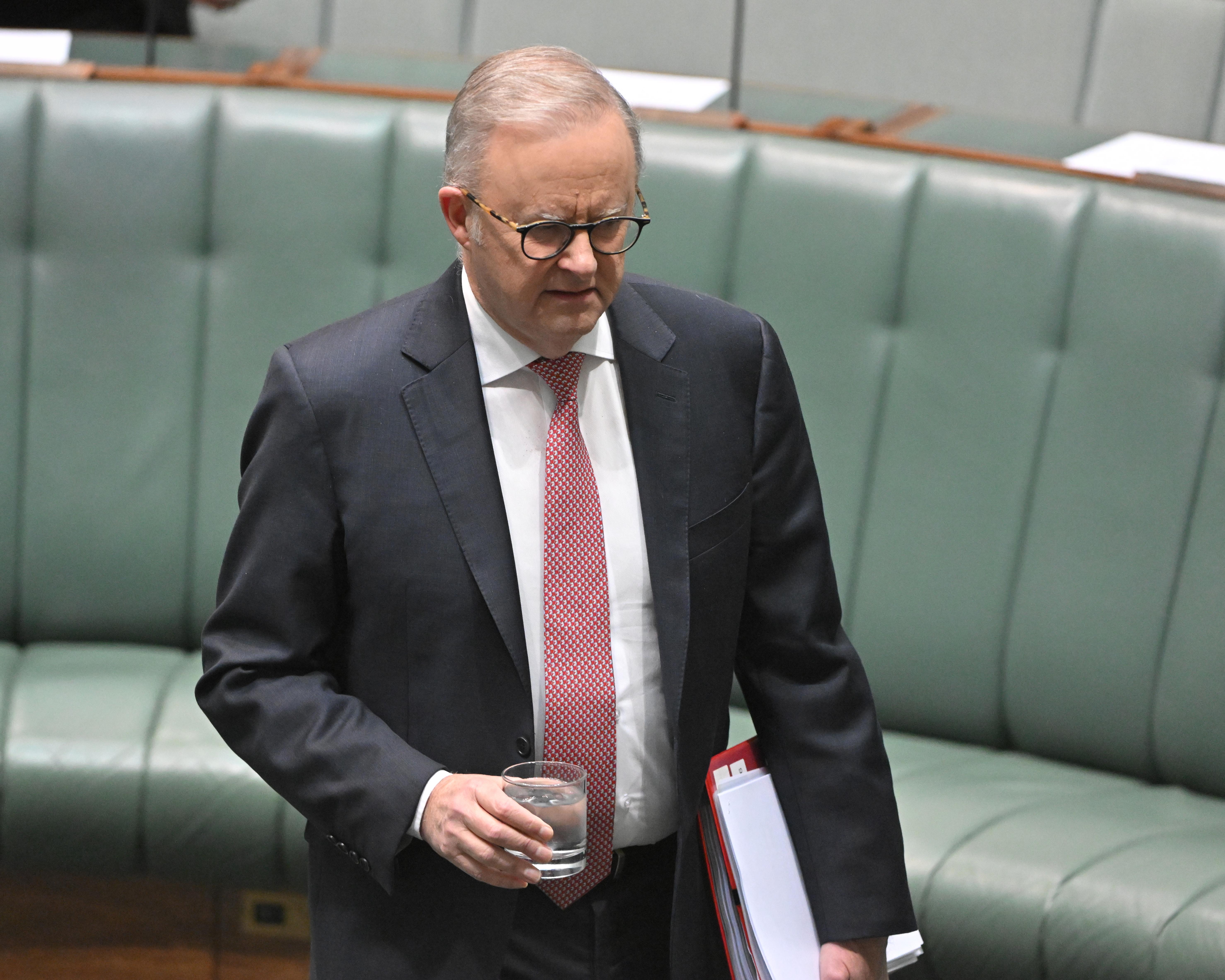
The Prime Minister has admitted he would not have appeared on the comedy show again, following a media furore over a joke involving Japanese melons.
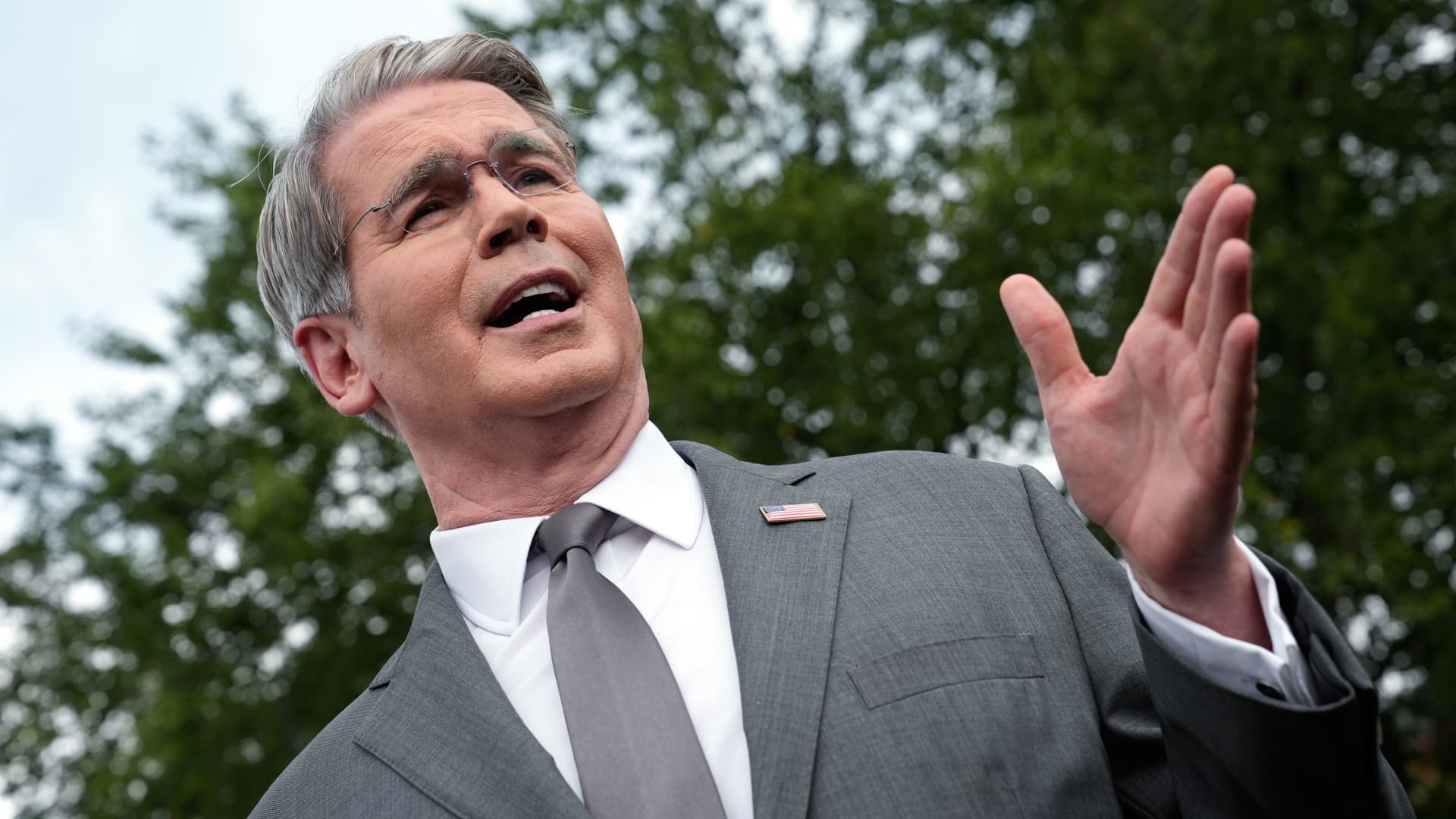
Analysts question the efficacy of US Treasury Secretary Scott Bessent’s recent initiatives, citing a range of headwinds currently weighing on US bonds.
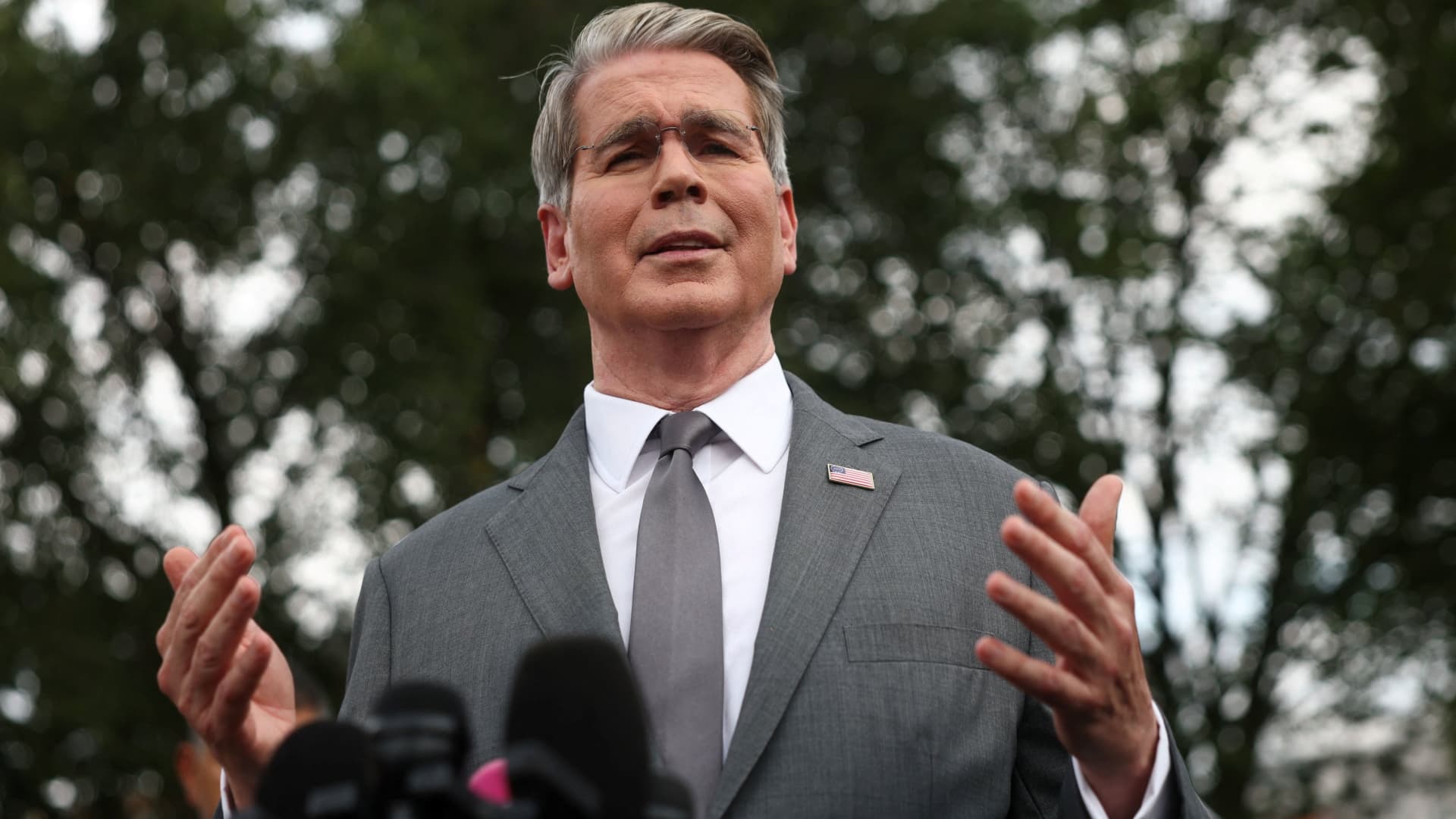
US Treasury Secretary Scott Bessent indicated that large-scale military operations against Iran are unlikely to resume, as the administration unveils a new economic strategy nearly six months into the war.
A new podcast episode from The Economist investigates the complex factors pushing up the cost of weekly food shopping, set against a backdrop of global energy volatility.
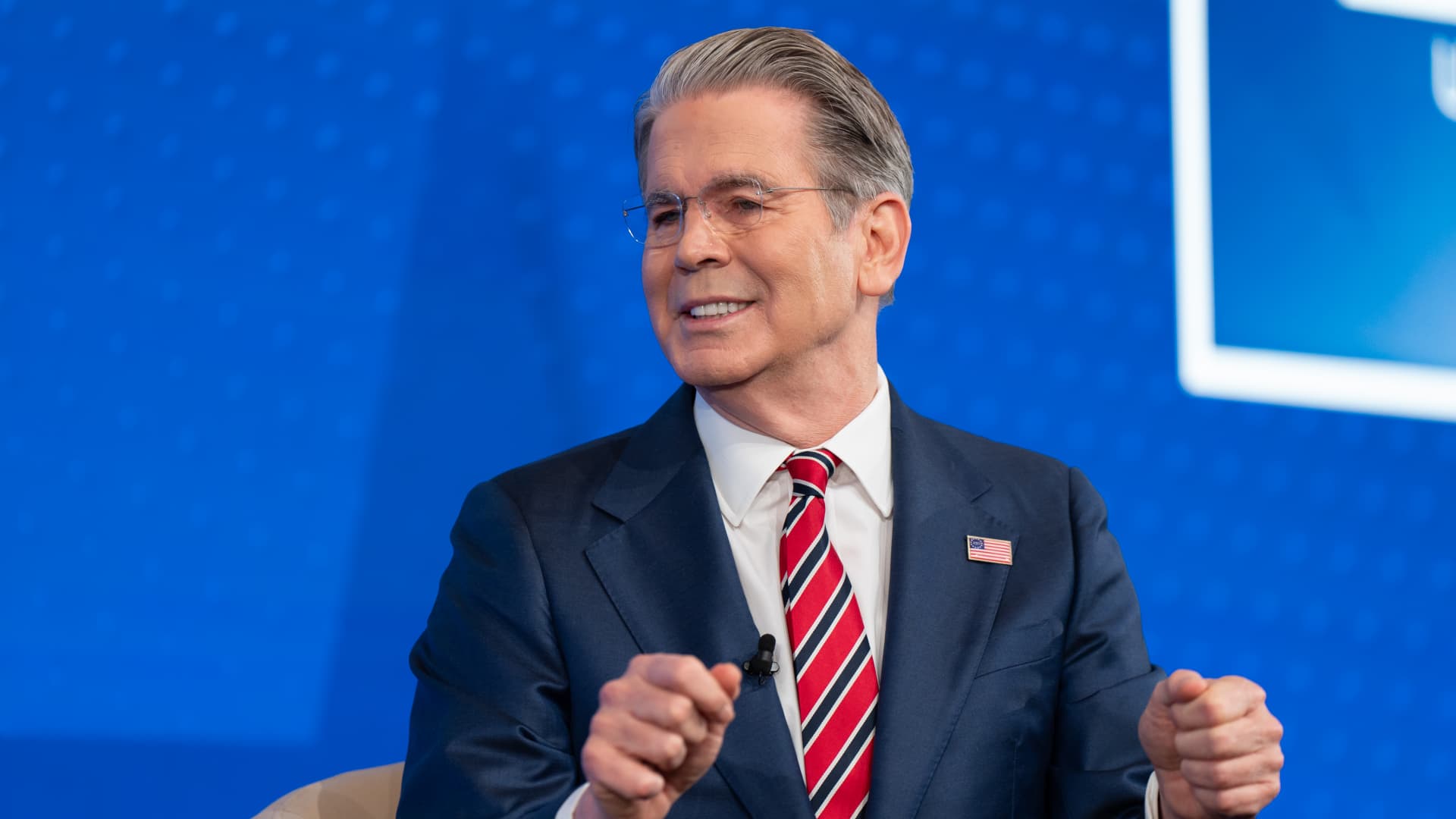
Treasury Secretary Scott Bessent indicated the department’s debt repurchase programme could surpass $4 billion as it seeks to stabilise longer-dated securities.
The poet and translator dedicated her professional life to the work of Ezra Pound, passing away on 24 July 2026.

With the US midterm elections approaching, opposition to artificial intelligence infrastructure is gaining traction in political campaigns across multiple states.
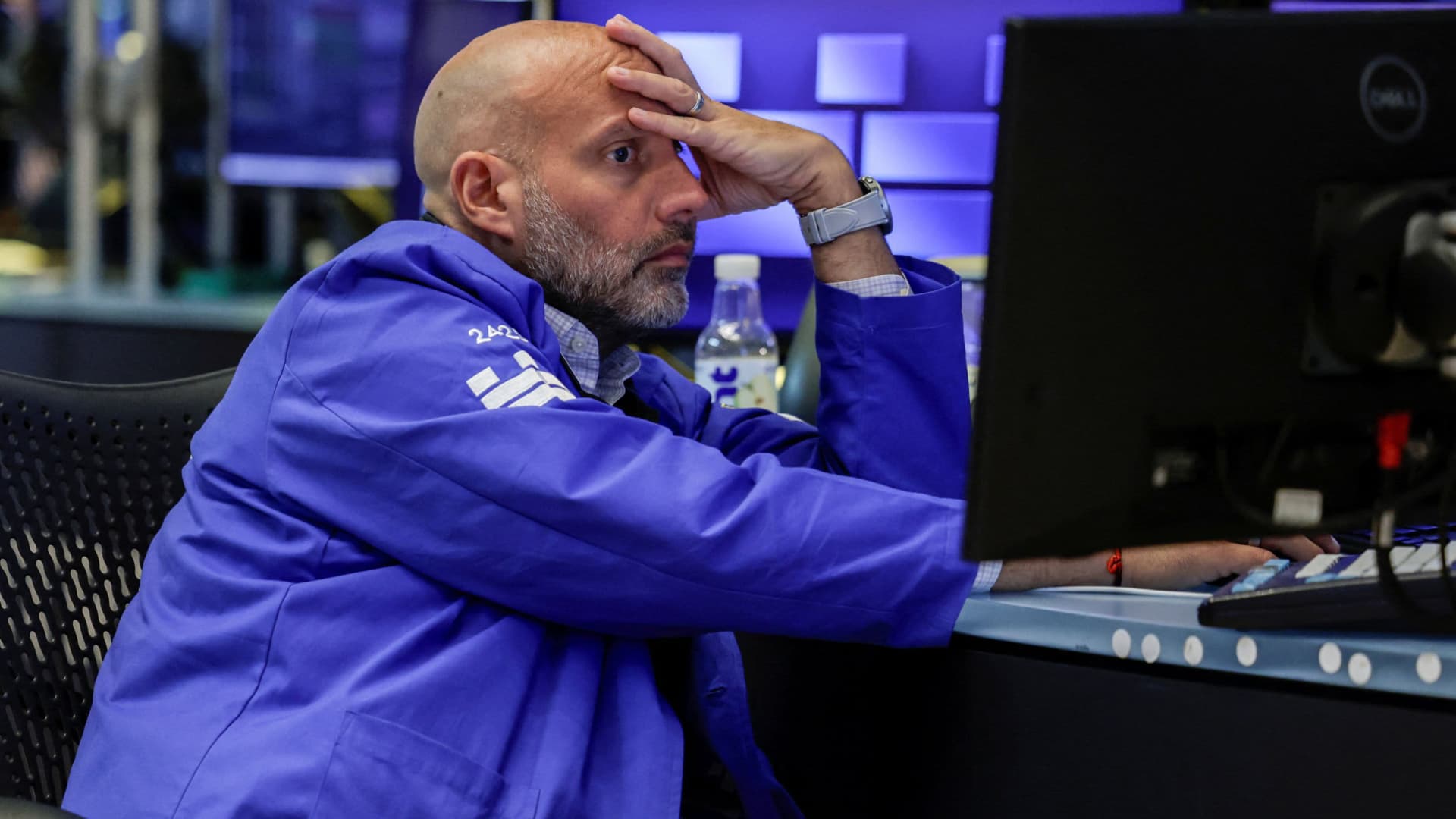
US bond yields erased earlier losses following a market intervention by Scott Bessent, as traders digest reports of a debt buyback plan.

The semiconductor giant’s massive buildout is driving job creation and wealth in Idaho, but is placing significant pressure on housing, traffic, and community identity.
The retail giant has increased its financial guidance ahead of its fiscal second-quarter earnings release, signalling it will deploy a substantial tariff refund to maintain price stability for consumers.
The latest episode of The Economist’s daily podcast addresses the geopolitical pressures facing the Ukrainian President, alongside segments on mental health in China and the cultural politics of the "Paw Patrol" franchise.
A new editorial argues that the primary risk of artificial intelligence may not be actual sentience, but the human tendency to anthropomorphise systems, potentially incurring significant economic and social costs.
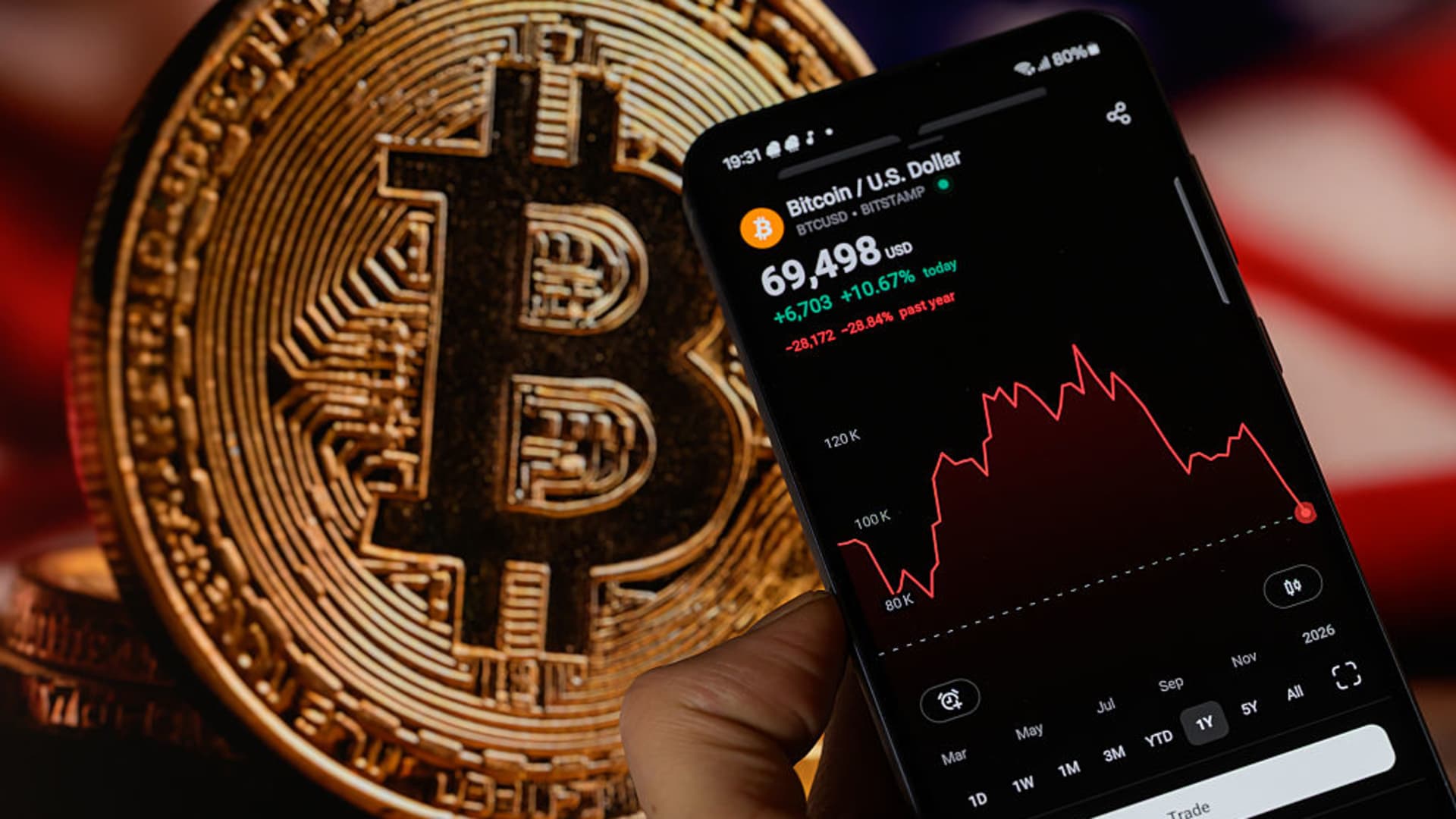
Digital assets climbed following a presidential call for Congress to enact a regulatory framework for the cryptocurrency sector.

The decision to reduce the annual Ulchi Freedom Shield exercises has raised concerns about the reliability of Washington’s security commitments to its allies.