Zoox refines robotaxi design ahead of commercial launch
Upgrades to the Hayward-built vehicle, informed by rider feedback, signal preparation for volume production later in 2026, pending a decision from the National Highway Traffic Safety Administration.
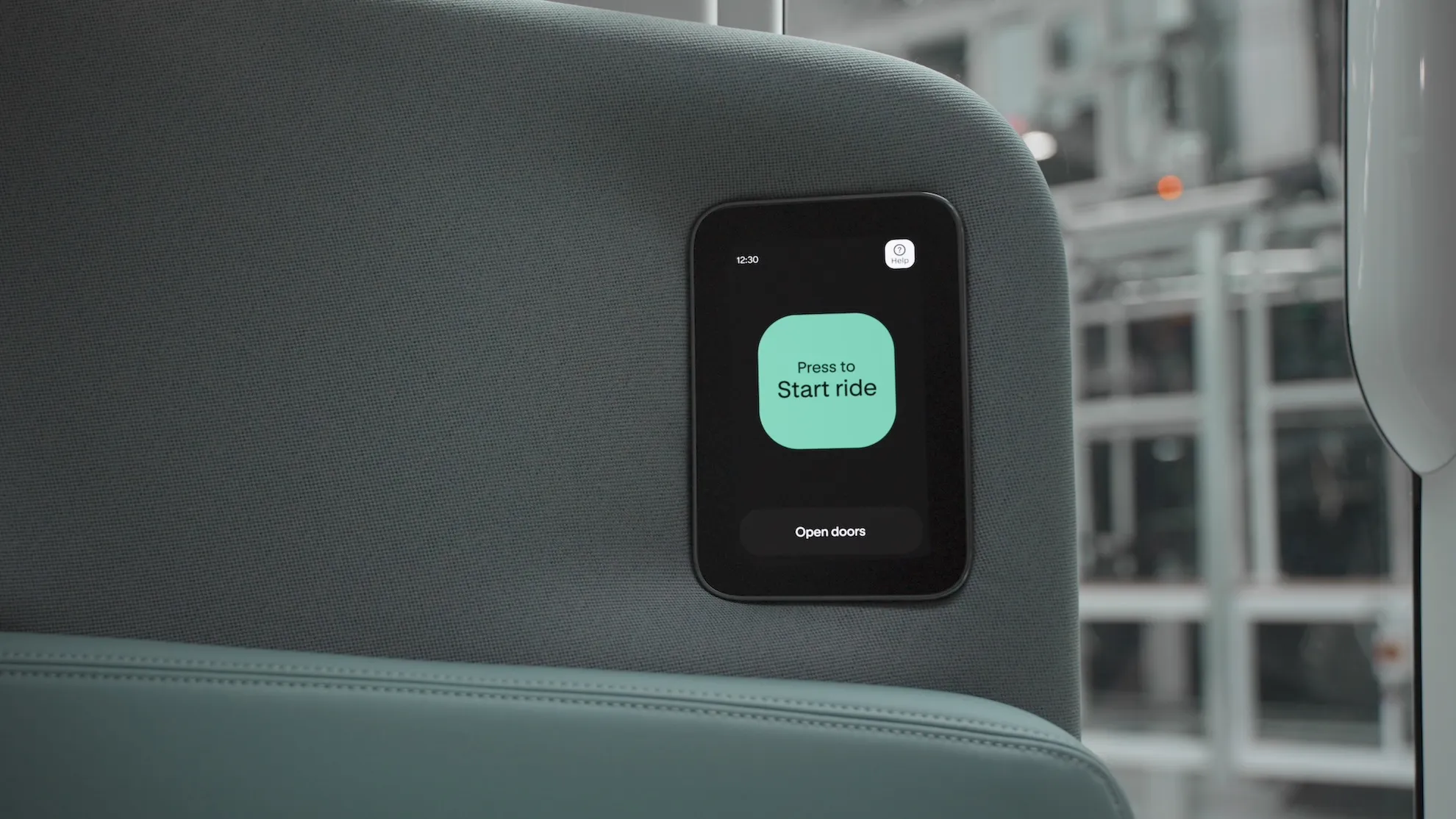
Amazon-owned Zoox has unveiled a series of design and functional upgrades to its custom-built electric robotaxi, marking a significant step in preparation for a commercial launch later in 2026. The modifications, which include enhanced interior cushioning, a lighter colour palette, and improved audio communication systems, are based on rider feedback and aim to refine the passenger experience ahead of volume production at the company’s facility in Hayward, California.
The updated interior features a new aesthetic described as aloe green seating and stone grey flooring and trim, designed to create a calmer environment. This lighter palette also provides a contrasting backdrop intended to help passengers spot common objects, such as smartphones. Additional interior tweaks include added fluting on the charging pad to secure devices, enlarged cupholders, and a more visible touchscreen.
Exterior modifications focus on visibility and communication. Zoox has relocated bidirectional reflectors to improve their effectiveness and installed new speakers and microphones at the door interface. These changes support two-way audio capabilities, allowing for clearer communication between riders, Zoox Support, and first responders.
Chris Stoffel, director of robot industrial design and studio engineering at Zoox, stated that the updates aim to distinguish the Zoox experience from other passenger vehicles. The design philosophy emphasises a simple, elevated interior that does not demand a rider’s attention, contrasting with the complex feature sets found in traditional cars.
The vehicle itself retains its core autonomous features, including a moonroof, starry night lights, and a suite of 40 cameras, radars, lidars, and infrared sensors. It lacks a steering wheel and other standard controls mandated by federal law, driving bidirectionally with four-wheel steering at speeds of up to 75 miles per hour.
Zoox is currently awaiting a decision from the National Highway Traffic Safety Administration regarding a commercial exemption required to offer paid rides. The agency granted an exemption in August 2025 for demonstration purposes, and a public comment period for the commercial request has now closed.
In the meantime, the company is testing the vehicle and offering free rides in Austin, Texas; San Francisco; Las Vegas; and Miami, Florida. The Hayward facility is expected to eventually produce 10,000 robotaxis per year, with an initial production target of up to 100 vehicles per week.
