Zest app leverages transaction data and AI for personalised dining recommendations
Following a beta period, Zest has launched publicly, utilising credit card data imported via Plaid to identify regular haunts and hidden gems while excluding fast-food venues.
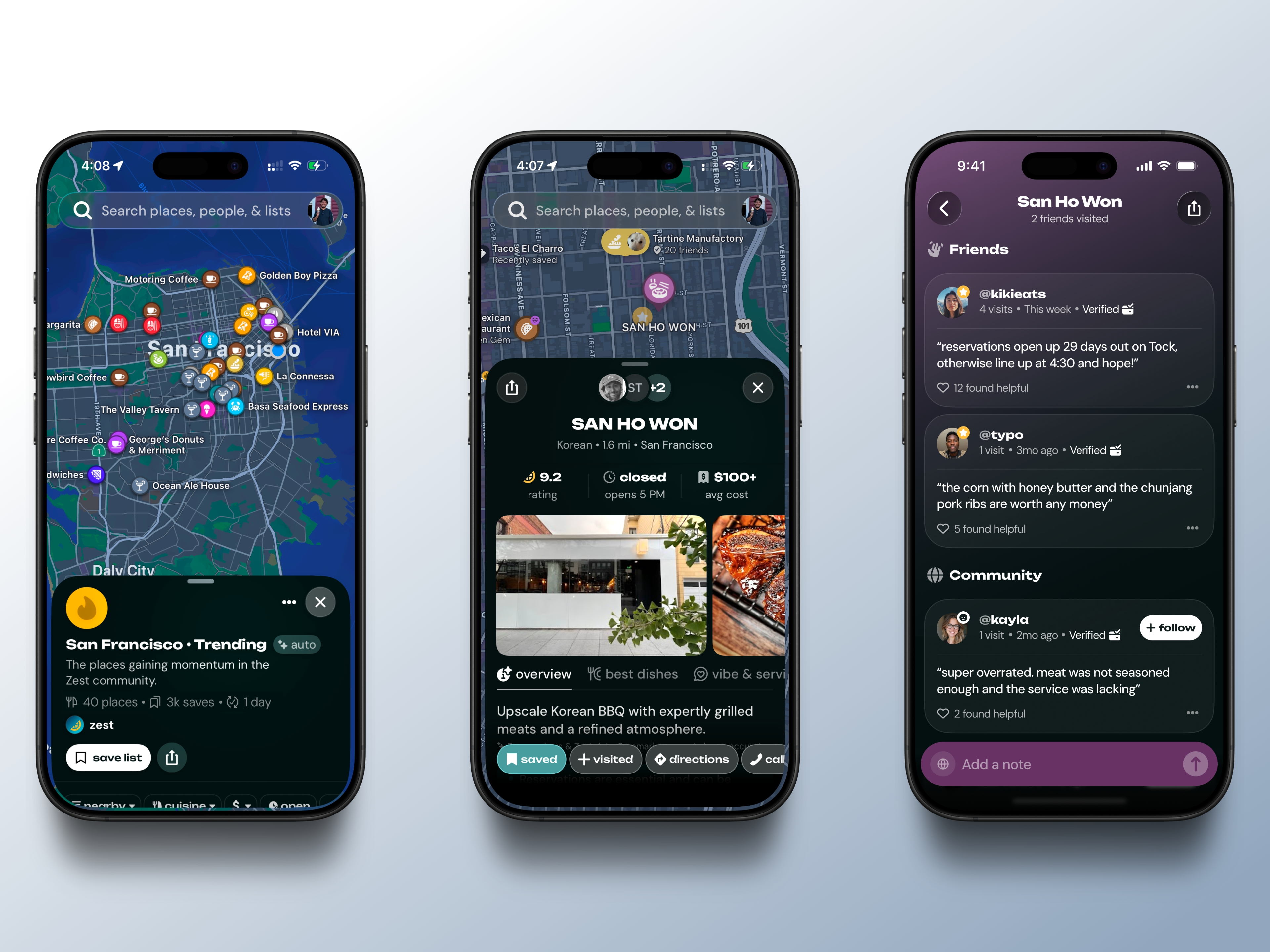
Zest, a newly launched restaurant discovery application, has opened to the public following an extended beta testing phase. The San Francisco Bay area-based startup has secured $1.8 million in pre-seed funding from Alexis Ohanian’s 776 and Steve Jang’s Kindred Ventures. Since its public debut in recent weeks, the platform has attracted more than 100,000 visits, signalling strong initial interest in its data-driven approach to dining recommendations.
The core functionality of Zest relies on artificial intelligence and credit card transaction data, which is imported via the financial services provider Plaid. By linking their credit cards to the app, users generate a personal dining map based on their actual spending habits. The algorithm specifically imports food and drink category transactions while discarding other financial data, and it excludes fast-casual and fast-food venues to focus on regular dining establishments.
Co-founder Mario Gomez-Hall, who previously served as Head of Design at Saturn before it exited to Snap, stated that the platform is designed to identify “hole in the wall” spots and regular haunts. Rather than focusing on high-end social posturing or Michelin-starred venues, Zest analyses the frequency and spend of a user to surface dependable local favourites. Technical co-founder Alex Moller brings experience from Apple and other technology companies to the venture.
The service distinguishes itself from previous attempts at data-sharing networks, such as the defunct startup Blippy, by using AI to improve user understanding over time through verified dining spend. Unlike Blippy, which relied solely on data sharing, Zest aims to build a network based on data that enhances the understanding of user interests. The platform also leverages over 80 million reviews from various sources, ranging from high-end guides to community forums, to curate suggestions.
Looking ahead, Zest plans to introduce features such as freeform user notes and a “Fresh Picks” recommendation tool, which will function similarly to a personalised discovery playlist for new restaurants. While the app currently focuses on dining, Gomez-Hall noted that the name reflects a broader “zest for life” and exploration, with long-term ambitions to expand into other city hot spots such as shopping.
