Zen Studios closes in Sydney as live music rehearsal spaces face national decline
The closure of the Tempe-based venue marks the end of an era for a space that hosted bands like Radio Birdman and Frenzal Rhomb, reflecting a broader collapse in affordable practice rooms across Australia.
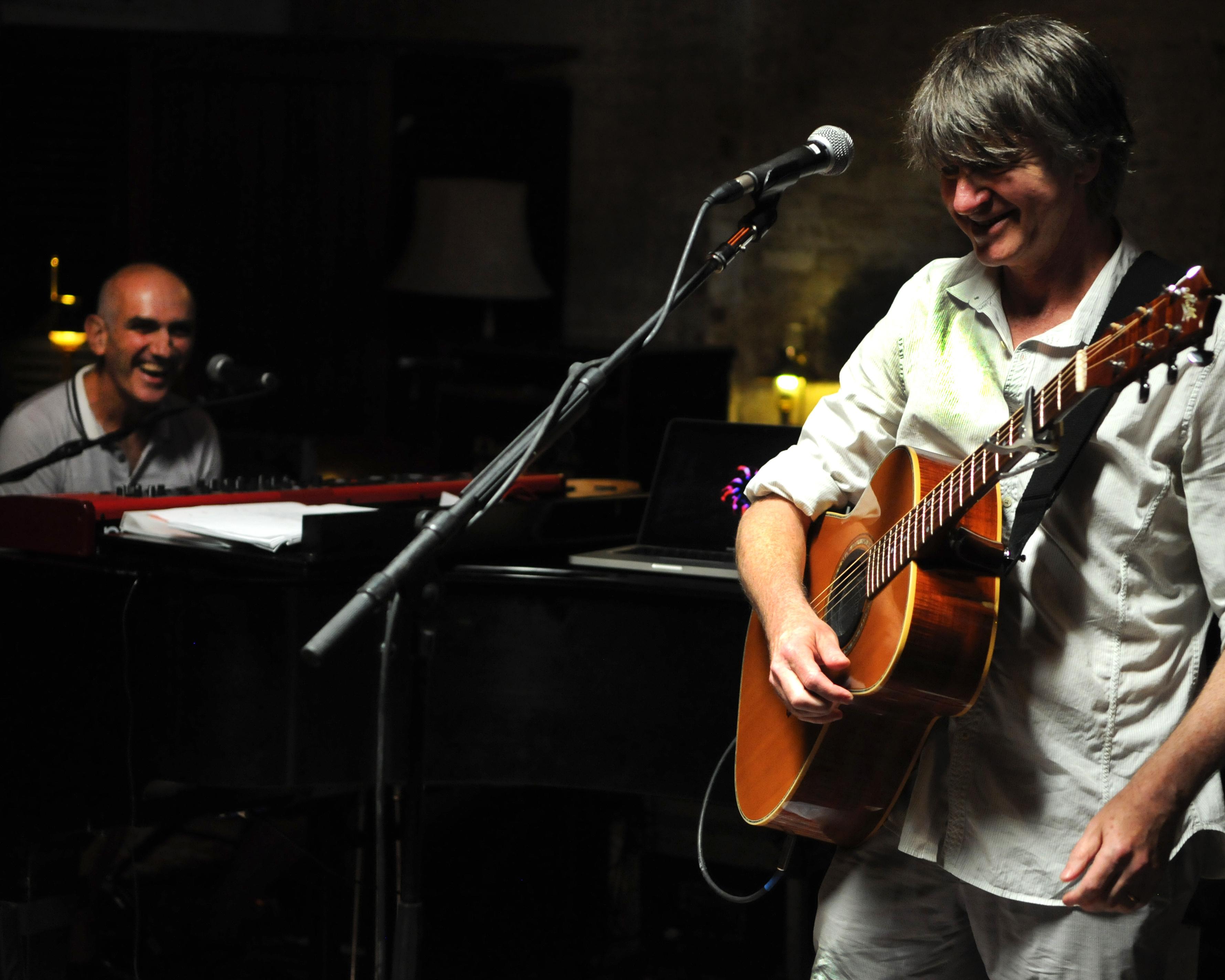
Zen Studios, a historic rehearsal space in Sydney, has entered liquidation and closed its doors following a garage sale in Tempe at the end of May 2026. Founded by Alan Scott in November 1990 in Marrickville, the studio expanded to a second location, Zen 2, in Tempe in 2010. It became a cornerstone for Sydney’s inner-west music scene, providing bunker-like rooms for notable acts including Radio Birdman, Frenzal Rhomb, and Front End Loader. Scott attributes the closure to a combination of rising rents, the cost of living crisis, and a demographic shift in musical preferences among younger audiences.
The decline of Zen Studios mirrors a wider trend across the Australian live music sector. Scott noted that while the 1990s saw high demand for rehearsal space driven by a vibrant local band culture, today’s musicians face financial barriers that make such practices unsustainable. He observed that younger demographics are spending up to 50% of their income on rent within 30km of the city, while shifting tastes have seen rock music lose its former dominance in favour of digital production at home. This shift has left many small and mid-sized venues and rehearsal rooms struggling to survive.
The loss of affordable practice spaces is part of a broader ecosystem collapse. An April 2023 report from Apra Amcos indicated that the pandemic eliminated approximately 1,300 small and mid-sized venues, representing one-third of the sector. Concurrently, other Sydney venues have shuttered or fallen into disrepair, including the Sandringham in Newtown, the Annandale’s live stage, the Hopetoun Hotel in Surry Hills, the Great Club in Marrickville, and Foundry616 in Ultimo. Mary’s Underground, formerly the Basement at Circular Quay, also announced its closure in 2026 after hosting around 1,000 shows over seven years.
Industry stakeholders warn that the disappearance of these spaces threatens the development of new artists. In Melbourne, Bakehouse Studios co-founder Helen Marcou stated that at least seven competing studios have been wiped out since the start of the pandemic, including Kerr Street, Aesthetic Studios, and Factory Sound. Marcou noted that even established venues like Bakehouse have had to diversify into multifunction arts spaces to survive rising rent conditions. In Adelaide, Sunset Rehearsals owner Hamish Cox highlighted that rising utility bills and stagnant performance fees are making it increasingly difficult for musicians to afford rehearsal space.
Matt Francis, head of public affairs at Live Performance Australia, the peak body for the arts and entertainment industry, described affordable and accessible spaces for artists as an ongoing issue that governments should prioritise. As Zen Studios closes, Scott, who recently turned 60, is transitioning his career to become a handyman under the "Zen" brand, citing a lack of market demand for rehearsal spaces. The closure serves as a stark reminder of the financial pressures reshaping the Australian music landscape.