Yue Yuen Industrial profits halve as footwear shipments contract in Q1
Revenue falls 2.2 per cent to $1.99 billion while net profit plunges 53.6 per cent to $35.2 million amid an 8.1 per cent decline in unit shipments.
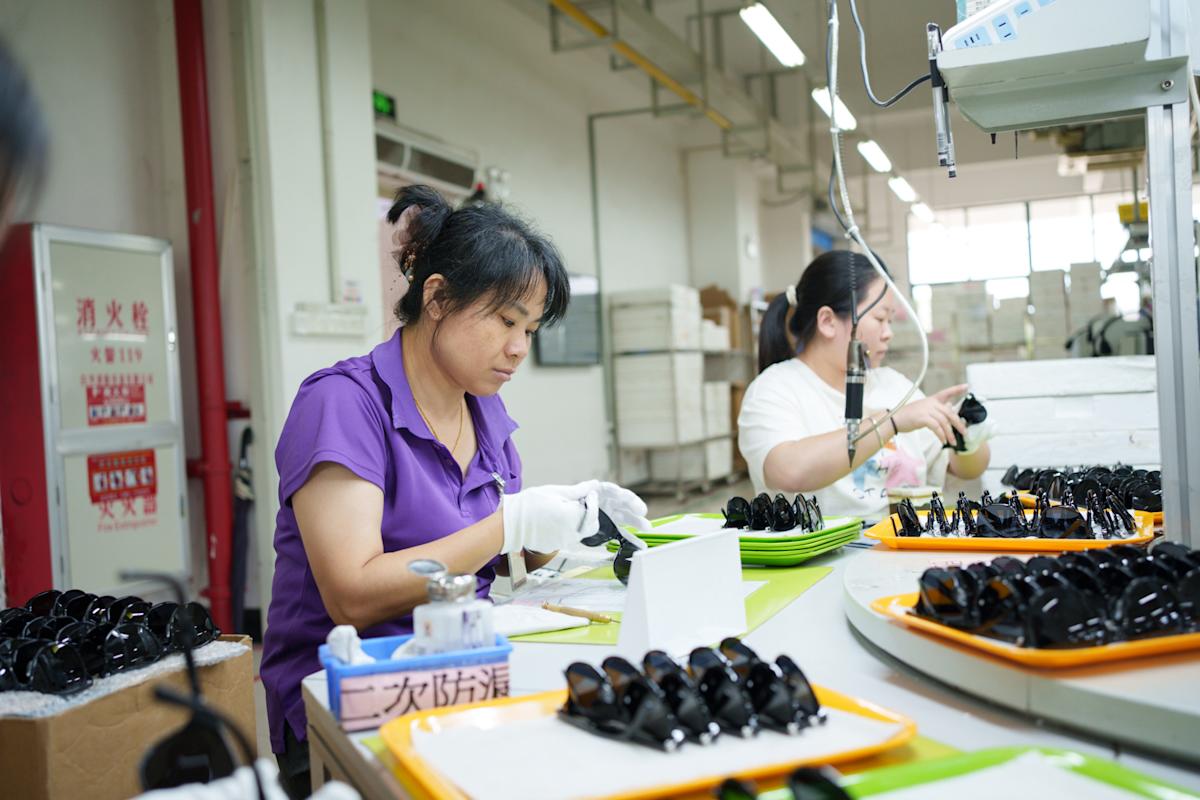
Yue Yuen Industrial (Holdings) Ltd reported a significant contraction in financial performance for the first quarter ended March 31, 2026, with net profits falling 53.6 per cent to $35.2 million. Total revenue declined 2.2 per cent to $1.99 billion, down from $2.03 billion in the corresponding period last year, as the Taiwanese footwear manufacturer navigated a challenging operating environment marked by volatile order demand and rising costs.
The company’s core manufacturing operations faced headwinds, with footwear shipments dropping 8.1 per cent to 56.9 million pairs. Although the average selling price rose 2.4 per cent to $20.52 per pair, this pricing power was insufficient to offset the volume decline. Gross profit from the manufacturing arm fell 20.7 per cent to $186.3 million, compressing the gross profit margin by 2.9 percentage points to 14.8 per cent.
Segment performance reflected the broader weakness, with revenue from athletic and outdoor shoe manufacturing falling 6 per cent to $971.7 million. Casual shoes and sport sandals production revenue decreased 4.7 per cent to $196.2 million, while revenue from the manufacture of soles and other components dipped 1.5 per cent to $87.5 million. These declines followed a trend in 2025 where global shoe shipment volumes fell 1.2 per cent to 252.2 million pairs, driven by more cautious ordering policies from major brands.
In contrast to the manufacturing arm, Yue Yuen’s retail subsidiary, Pou Sheng, delivered a positive result, reporting a 4.1 per cent revenue gain to $730.0 million. The retail division, which includes sales in the Greater China region, generated income from shoes, apparel, and commissions from concession sales, providing a partial buffer against the downturn in wholesale manufacturing.
Yue Yuen attributed the profit decline to a combination of structural and cyclical factors. The company cited volatile short-term order demand and intensified production scheduling caused by the seasonal misalignment between the Lunar New Year and Ramadan in the first quarter of 2026. These events resulted in short-term production inefficiencies, which, coupled with higher labour costs, drove up manufacturing unit costs.
Amid mounting global economic headwinds, the company stated it would continue to solidify its role as a strategic supplier while strengthening its multi-location, high-end footwear development capabilities. Yue Yuen is currently advancing the ramp-up of its manufacturing facility in Central Java, Indonesia, and progressing with construction of a new factory in India to diversify its production footprint.
The manufacturer also highlighted ongoing risks related to the global economic and political environment, particularly the potential impact of regional conflicts on delivery timelines and raw material supply stability. To mitigate these risks, Yue Yuen has initiated earlier raw material procurement talks and inventory planning while strengthening cost control measures to secure a higher-quality order mix with leading international brands.