YouTube expands AI likeness detection tool to all creators aged 18 and older
The move aims to provide equal protection for new and established channels as identity verification becomes mandatory for access.
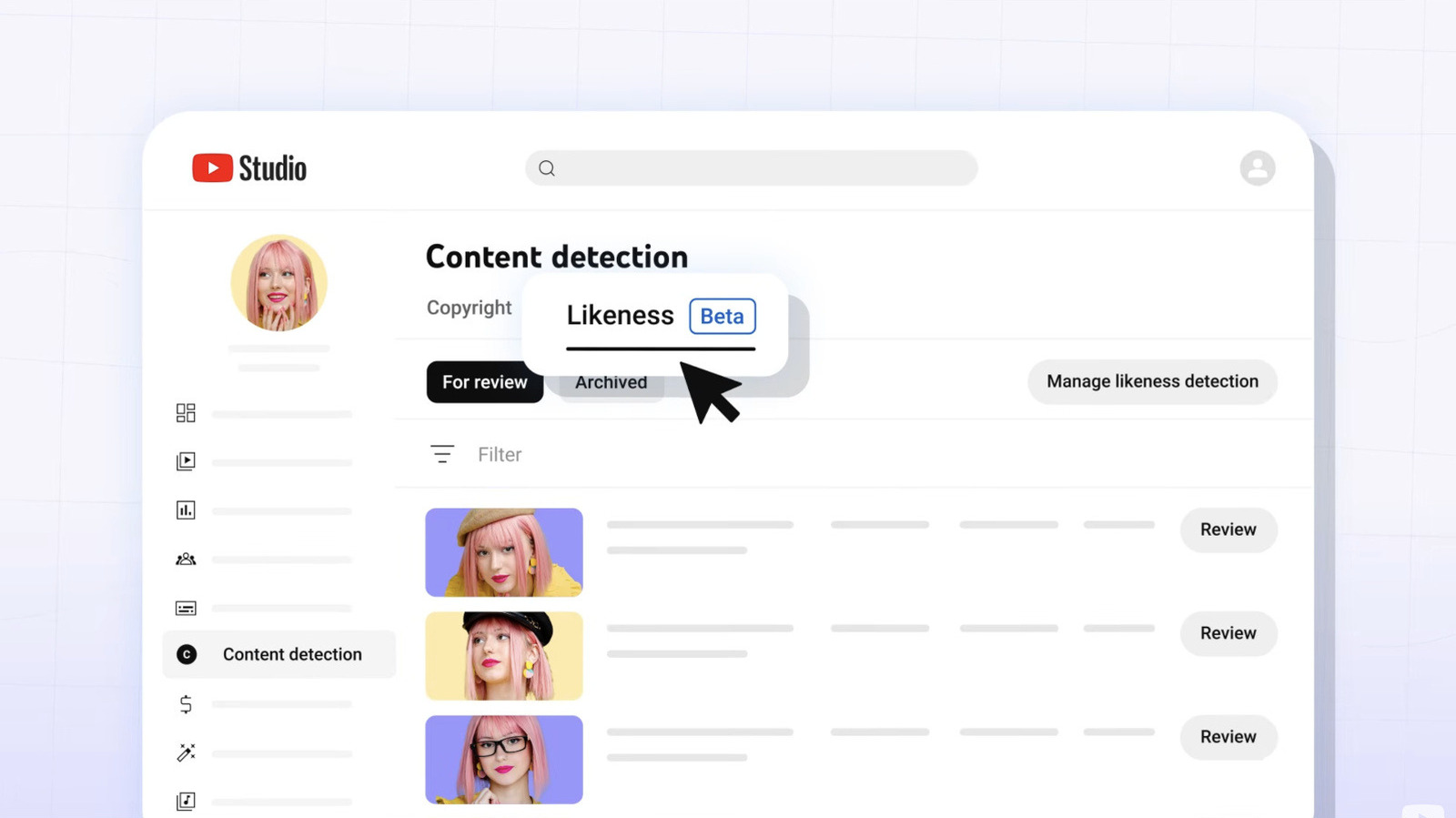
YouTube is expanding access to its artificial intelligence likeness detection tool to all creators aged 18 and older, marking a significant shift in the platform’s approach to digital identity protection. The expansion follows previous limited releases restricted to YouTube Partner Program members, journalists, and politicians, ensuring that both new and long-standing channels now have access to the same level of security against unauthorised use of their likeness.
The tool allows users to identify videos uploaded to the platform that use their face without permission and submit removal requests. According to a statement from Team YouTube, the goal is to provide users with greater peace of mind by offering easy access to request the takedown of unauthorised content. Spokesperson Jack Malon clarified to The Verge that while the tool is technically designed for creators, the broader availability implies general utility for anyone whose likeness is misused.
Eligibility for the expanded tool requires strict identity verification via YouTube Studio. Users must enrol on a computer, scan a QR code with their phone, and complete a selfie video verification process using a government ID. Once set up, the system scans uploaded videos for potential visual matches, displaying any content that potentially uses the user’s likeness under a dedicated tab for review.
The rollout represents the latest stage in the tool’s development, which was first previewed in 2024. It was initially launched in late 2025 exclusively for Partner Program members, a group defined by monetisation thresholds including 1,000 subscribers and specific watch hour or Short view metrics. Subsequent releases extended access to journalists and politicians before this current general expansion to all adult creators.
While the tool currently scans for visual likeness matches, it does not offer standalone voice detection capabilities. During the removal request process, YouTube asks users if their voice was copied for evaluation purposes, but the system cannot independently detect voice cloning. This limitation exists as the platform faces increasing difficulty in distinguishing between real and AI-generated videos, with the wider availability of the tool intended to help creators catch brands or companies using their likenesses for promotional purposes without consent.
