Yankees’ $10bn valuation challenges MLB owners’ financial narrative
The New York Yankees’ agreement with Apollo Sports Capital signals immense appreciation in asset values, undermining the league’s push for a salary cap ahead of the December collective bargaining agreement deadline.
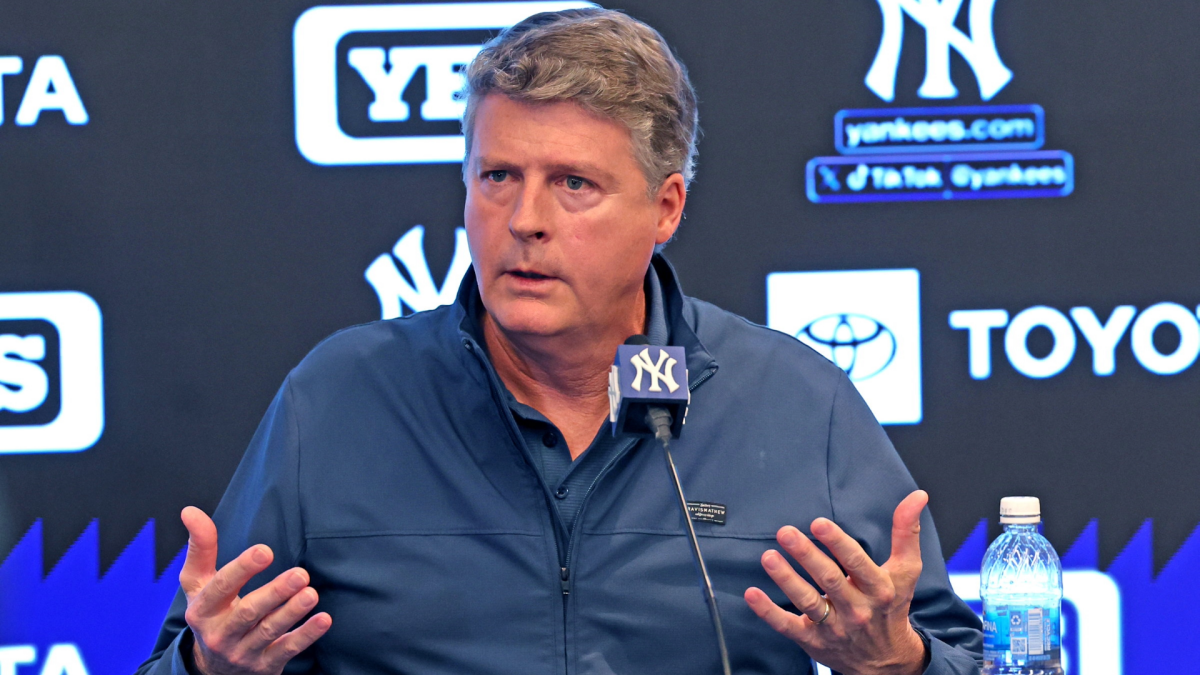
The New York Yankees have announced a $2.6 billion financial agreement with Apollo Sports Capital, a transaction that values the franchise at $10 billion and establishes a new record for Major League Baseball. The deal, which allows the club to refinance existing debt and pursue strategic ventures, was confirmed by Yankees chairman Hal Steinbrenner, who noted that his family will retain control of the organisation.
This valuation directly challenges the narrative promoted by MLB owners that owning a baseball team is financially difficult. Top player agents, including Scott Boras and Joel Wolfe of The Team agency, argue that the influx of private equity capital indicates that franchise values have risen significantly over the past year. Boras stated that private equity firms do not invest billions for minority stakes unless the underlying asset is performing well, based strictly on profit analysis.
The announcement coincides with a deepening impasse between MLB and the MLB Players Association regarding the collective bargaining agreement, which expires at 11:59 p.m. ET on Tuesday, 1 December. The primary point of contention is the implementation of a salary cap, which owners argue is necessary for competitive balance but which agents suggest is also driven by a desire to boost franchise valuations.
Compounding the financial context, MLB owners are scheduled to vote next week on the $3.9 billion sale of the San Diego Padres to José E. Feliciano and Kwanza Jones. This transaction would set another record sale price, significantly exceeding the $2.4 billion paid by Steve Cohen for the New York Mets in 2020. Both the Padres’ sale and the Yankees’ partnership with Apollo Sports Capital highlight the robust financial health of the league’s assets.
Despite the owners’ complaints about the state of the sport, the data suggests otherwise. The previous lockout extended into early March, and with the deadline approaching, a similar scenario is expected. The contrast between the owners’ public stance on financial strain and the private equity-driven valuations of their franchises remains a central tension in the ongoing labour negotiations.