Yale study reveals garlic compound blocks mosquito reproduction
New findings from Yale University suggest the common kitchen staple could offer a low-cost tool for controlling disease-carrying pests by targeting their reproductive biology.
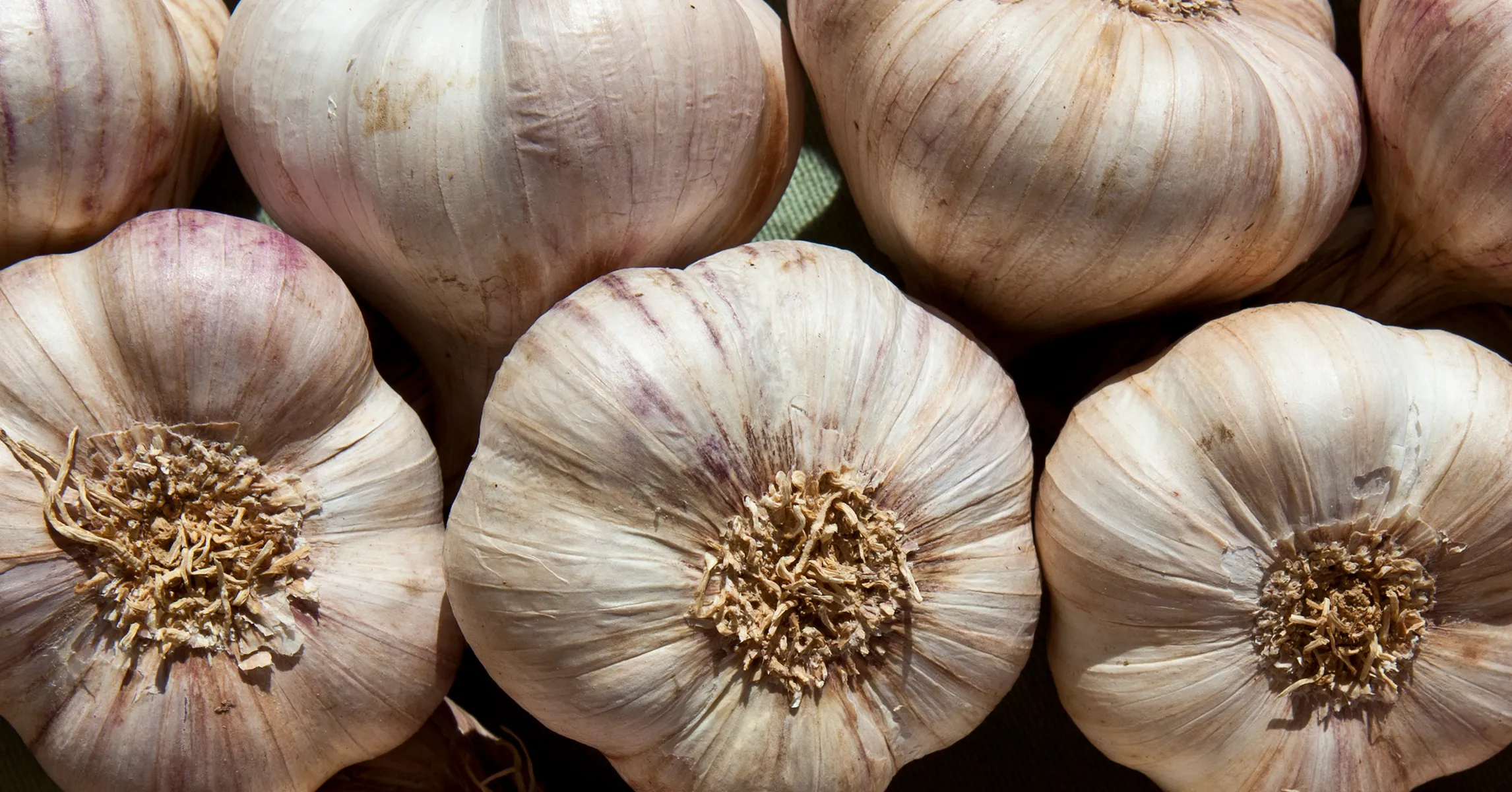
Researchers at Yale University have identified diallyl disulfide, a compound found in garlic, as the substance responsible for inhibiting mating and egg-laying in fruit flies and disease-carrying mosquitoes. The study, published in the journal Cell, demonstrates that the compound activates the TrpA1 taste receptor in insects, triggering a satiety response that suppresses reproductive behaviour.
The research suggests garlic (Allium sativum) could be utilised as a tool to control insect pests harmful to human health and agriculture. A phytochemical analysis of 43 fruits and vegetables was conducted by Yale scientists to identify natural compounds interfering with insect reproductive behaviour. Experiments using fruit flies as model organisms revealed that garlic, unlike other tested produce, completely blocked mating and egg-laying.
Further testing determined that the taste of garlic, rather than its smell, was the primary factor inhibiting reproductive behaviours. The study replicated findings in other flying insects, including two species of mosquitoes that transmit dengue, Zika, and yellow fever, as well as tsetse flies. Genetic analysis indicated that garlic compounds modify gene expression, specifically affecting genes related to satiety, which drives the suppression of mating and reproduction, particularly in females.
John Carlson, a Yale professor and coauthor, noted the potential for using garlic as an inexpensive, globally available remedy against hematophagous (blood-feeding) creatures. The idea of using garlic to ward off blood-feeding insects was previously proposed in 1897 by Bram Stoker in his novel Dracula.
Mosquitoes are known vectors for diseases including dengue fever, malaria, yellow fever, and Zika virus. The TrpA1 receptor functions as a sensor in fly taste organs that triggers immediate rejection responses to potentially noxious tastes. The original story appeared on WIRED en Español and was translated from Spanish.
