Yahoo Finance guide outlines dollar-cost averaging as shield against crypto volatility
Published on 8 June 2026, the guide contrasts fixed-interval investing with lump-sum approaches, offering practical steps for budgeting and minimising transaction spreads on major exchanges.
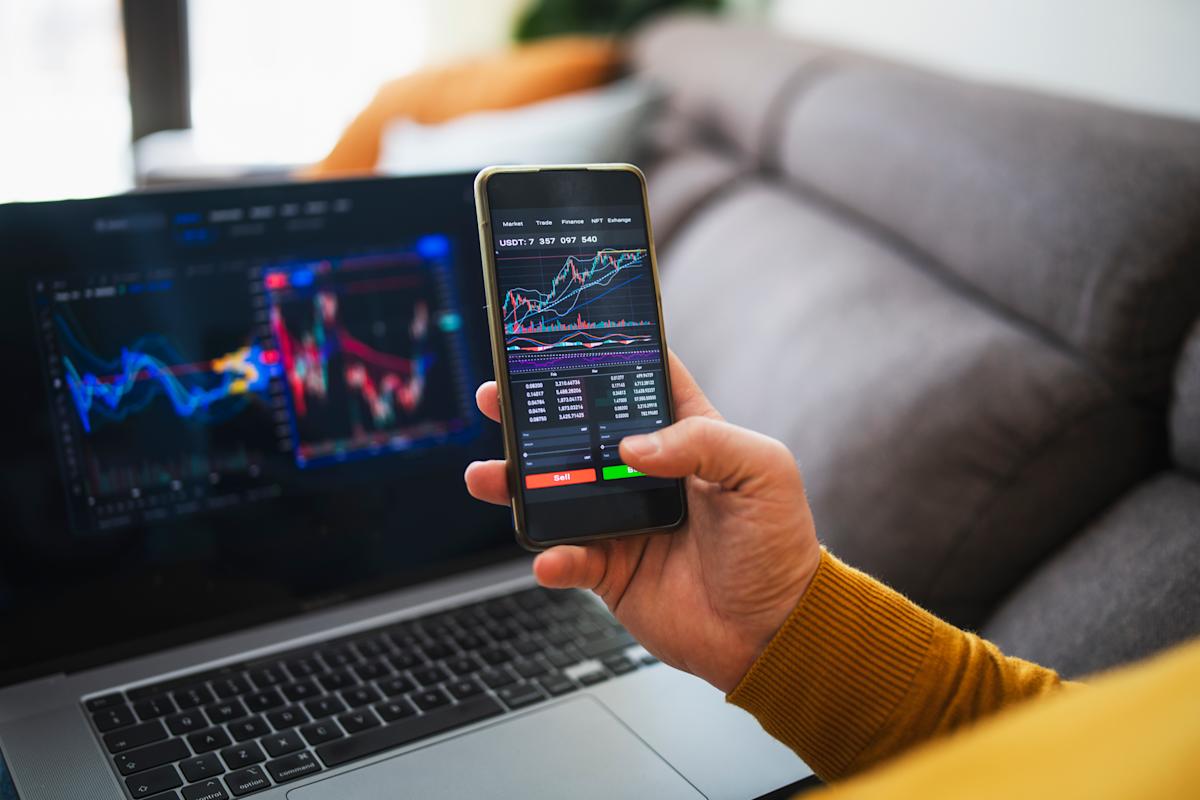
Yahoo Finance published an educational guide on 8 June 2026 detailing how dollar-cost averaging (DCA) can assist investors in managing the inherent volatility of cryptocurrency markets. The article defines the strategy as a method where investors commit to purchasing a fixed dollar amount of an asset at regular intervals, regardless of the asset's current price. This approach is designed to remove the necessity of timing the market and naturally lowers the average purchase cost during price dips by acquiring more units when prices fall and fewer when they rise.
The guide contrasts DCA with lump-sum investing, noting that while committing all capital at once may yield higher returns in a consistently rising market, it exposes the entire investment to immediate loss if prices drop shortly after entry. DCA mitigates this risk and reduces the emotional stress that often leads to panic selling or fear of missing out (FOMO). By automating decisions, the strategy acts as an emotional circuit breaker, preventing investors from making reactive trades based on short-term market noise.
Historically, the term was coined by investor Benjamin Graham in his 1949 book, The Intelligent Investor. The Yahoo Finance article emphasises that DCA is particularly suited to digital assets, where a 5% daily price move is typical compared to the 3% moves that often dominate traditional stock market news. The guide warns that newer tokens with lower market caps and liquidity can experience even more dramatic swings, making disciplined entry strategies essential for portfolio stability.
Practical advice in the guide includes setting a realistic budget aligned with cash flow, such as investing on payday, and choosing execution methods to minimise costs. It highlights that automatic recurring purchases on some exchanges, such as Coinbase, may incur spreads of 2% or more, which can erode returns. The article suggests that manual buys via advanced trading platforms or using stablecoin automation, such as USDC, may be more cost-effective alternatives to avoid these hidden fees.
To illustrate the potential benefits, the guide presents a hypothetical scenario where an investor commits $100 monthly for six months. In a market that dips and recovers, the DCA approach resulted in an average cost per token of $33.33, compared to a market price of $50 at the end of the period. This stands in contrast to a lump-sum investment, which would have suffered a 60% paper loss during the dip. The article concludes that while DCA does not eliminate risk or guarantee the lowest possible entry price, it provides a structured, disciplined framework for long-term wealth building.