Xi and Putin meet as Trump summit reshapes global trade dynamics
The Economist reports on the diplomatic encounter between Chinese and Russian leaders, set against the backdrop of recent US-China negotiations and market reactions.
The Economist has reported on a recent meeting between Chinese President Xi Jinping and Russian President Vladimir Putin, noting the encounter occurs within the broader geopolitical context involving Donald Trump. The podcast episode, titled The Peking order, positions this diplomatic engagement as a significant development following high-level discussions between Washington and Beijing.
The meeting between the two leaders follows a two-day summit in Beijing between President Trump and President Xi. That earlier engagement addressed complex tensions surrounding international trade, artificial intelligence regulation, and regional stability concerns related to Iran. The diplomatic schedule suggests a rapid sequence of high-level interactions aimed at navigating shifting global alliances.
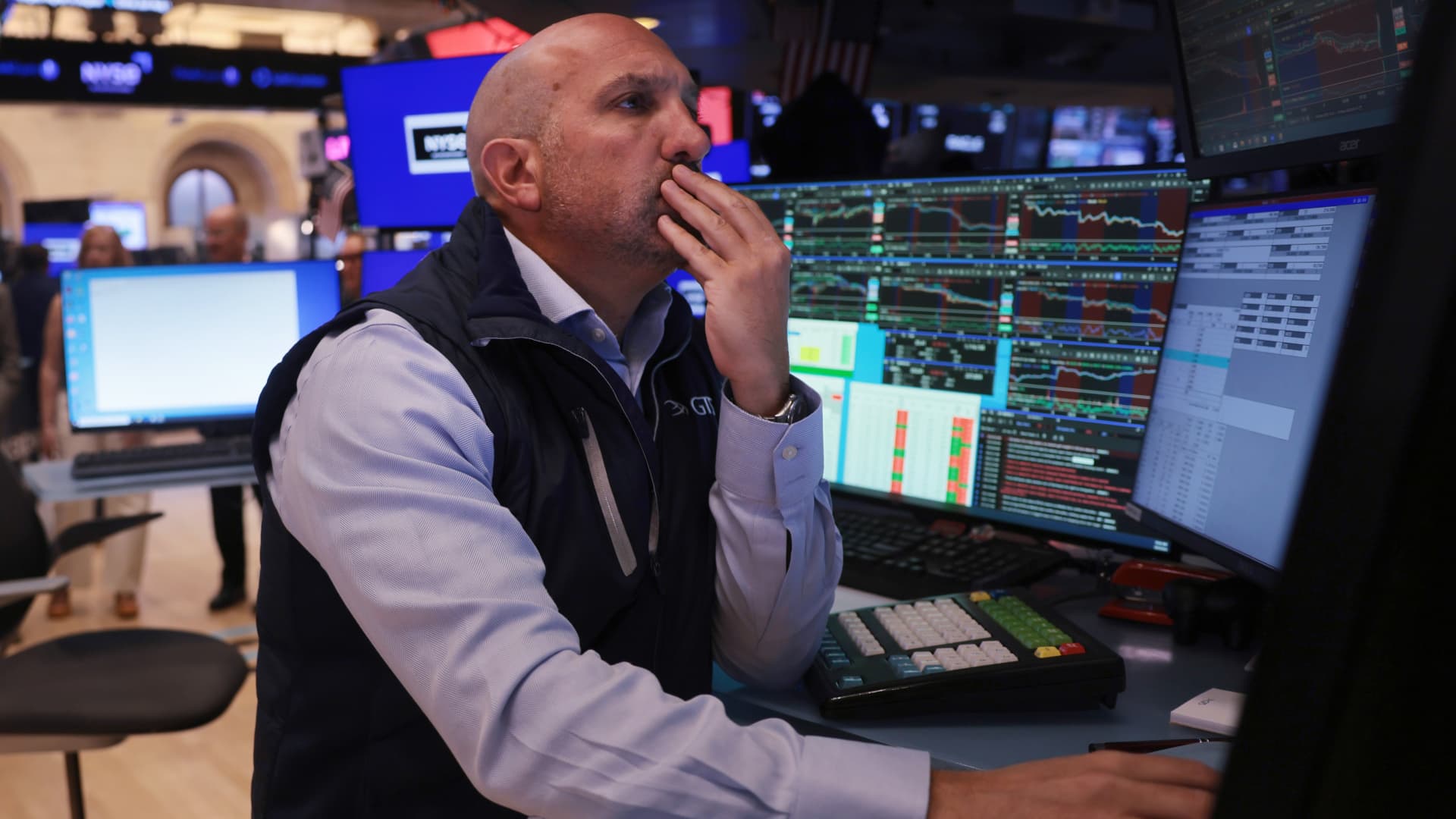
Market participants reacted positively to the commencement of the Trump-Xi summit in Beijing. On the day the talks began, US stock markets posted gains, with the Dow Jones Industrial Average rising 0.8 per cent, the S&P 500 increasing by 0.3 per cent, and the Nasdaq Composite climbing 0.2 per cent.
Investor sentiment appeared particularly buoyant regarding technology exports. Nvidia shares surged more than 2 per cent after news emerged that the United States had approved the sale of H200 chips to Chinese firms. This regulatory development highlighted the intricate balance between strategic competition and commercial interests in the semiconductor sector.
The Economist podcast also covered unrelated segments, including an analysis of the business operations of the Premier League and features on daredevil holidays. These topics were presented alongside the primary focus on the Xi-Putin meeting and the wider implications of the Trump-Xi diplomatic outreach.
The reported interactions underscore the interconnected nature of current global policy and capital markets. As leaders from the US, China, and Russia engage in parallel diplomatic tracks, institutional investors continue to monitor how trade approvals and geopolitical signals influence asset performance and long-term strategic positioning.