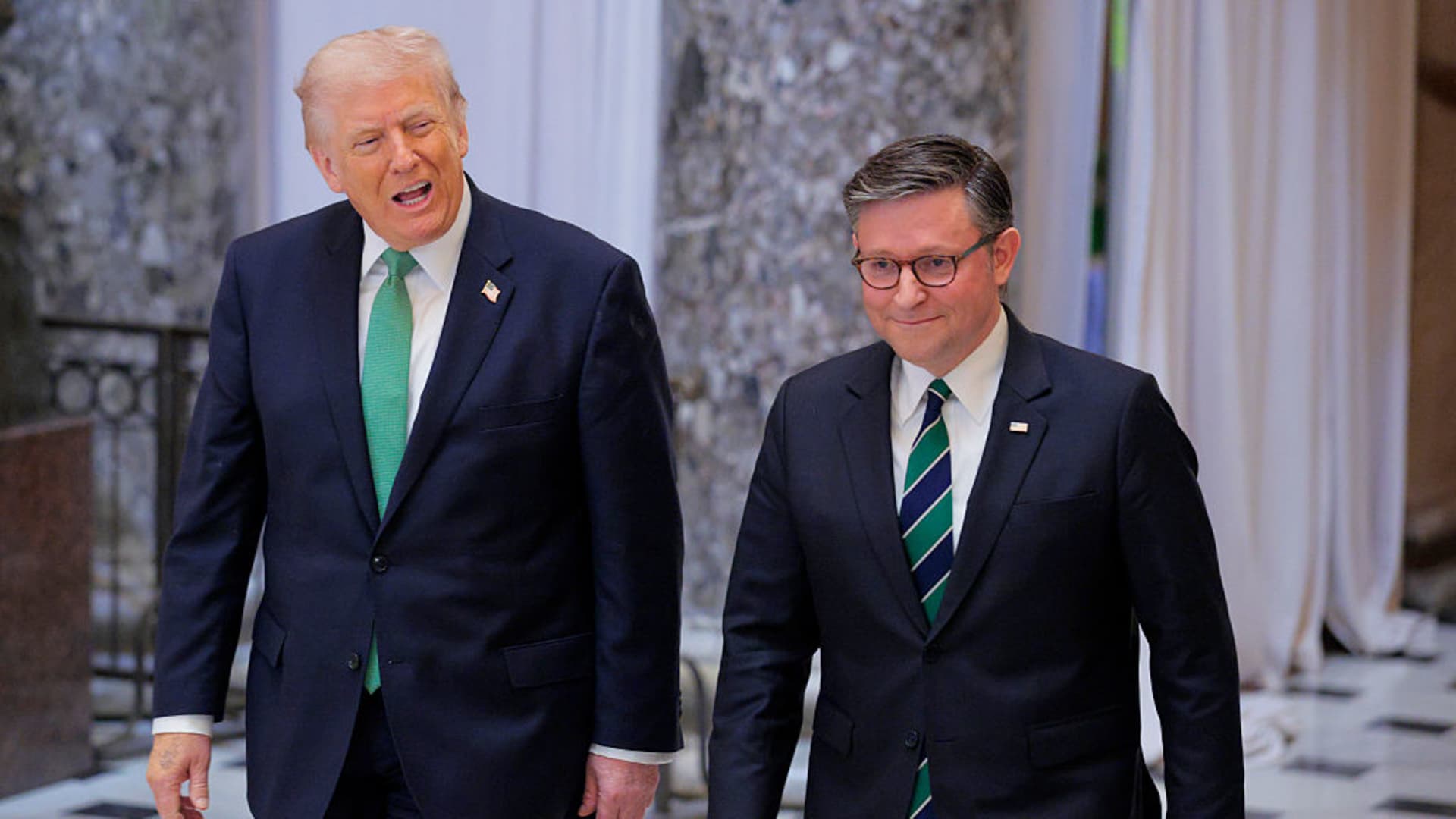
US House passes War Powers resolution to constrain Trump’s Iran authority
Democrats and four Republicans join forces in a 214-208 vote, setting up a confrontation with the White House as Senate leaders prepare similar measures.
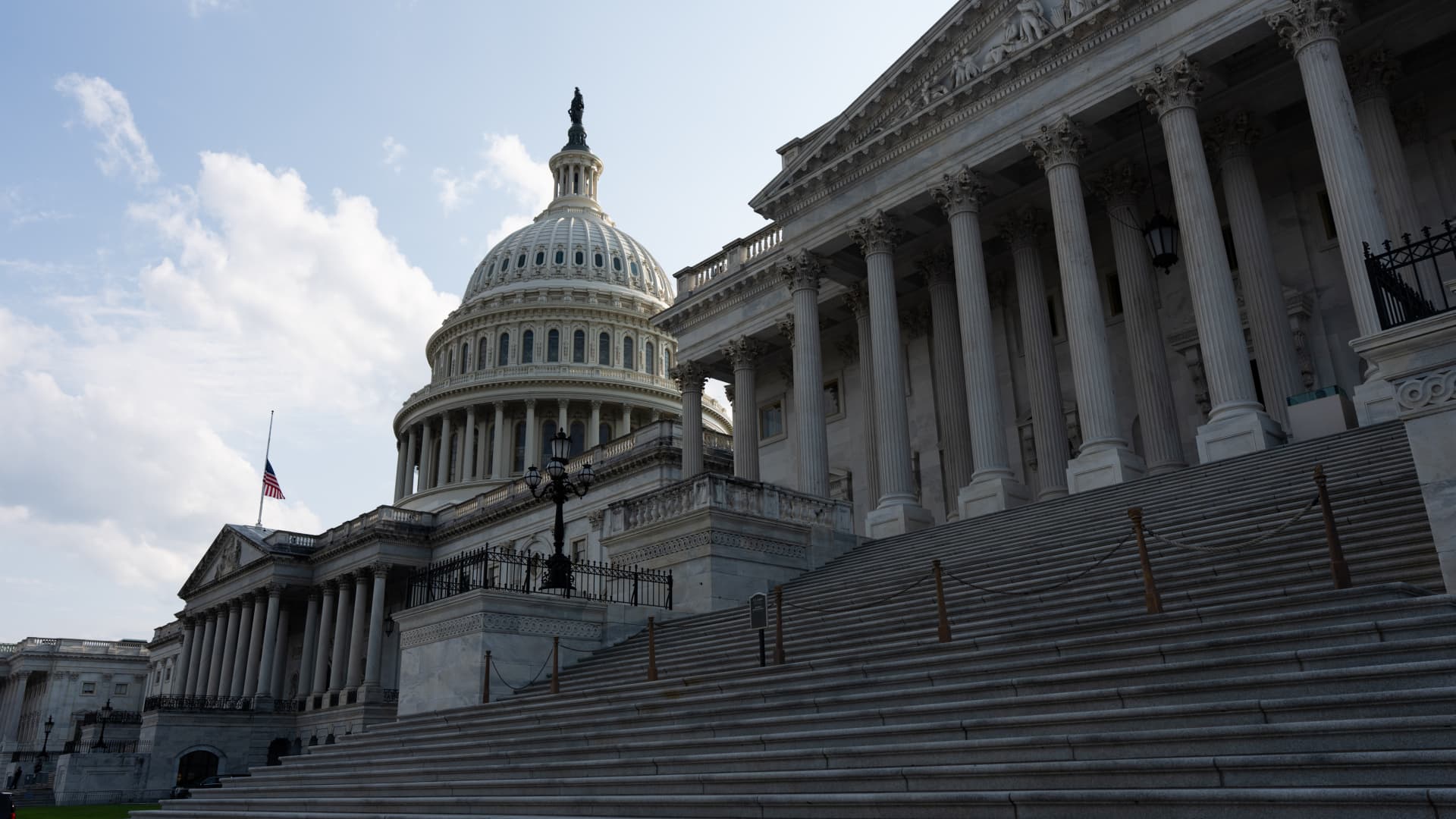
The US House of Representatives voted 214-208 on Thursday to pass a War Powers resolution aimed at constraining President Donald Trump’s authority to continue military operations against Iran. The measure marks the first time Congress has attempted to limit the war effort since the breakdown of a ceasefire in early July.
The vote was supported by all Democratic members and four Republican representatives, signalling a rare bipartisan effort to reassert legislative oversight over military engagements. The motion comes nearly a week after an Iranian attack on a US military base in Jordan resulted in the deaths of three US personnel, further escalating tensions in the region.
Senate Minority Leader Chuck Schumer indicated that Democrats would force a similar War Powers vote in the Senate on Thursday, intensifying the legislative challenge to the administration’s military strategy. The resolution seeks to reassert congressional authority over war decisions, directly challenging the executive branch’s approach to the conflict.
Tensions have intensified further following reports that a US Army AH-64 Apache helicopter was shot down over the Strait of Hormuz on Monday night. President Trump accused Iran of the downing on Tuesday and vowed a necessary response, marking a sharp escalation in military hostilities. Prior to these events, Trump had met with Chinese President Xi Jinping in Beijing to discuss trade, artificial intelligence, and security in the Strait of Hormuz.
While oil markets have remained calm despite forecasts of prices reaching $200 per barrel, analysts warn of sharp price rebounds if a ceasefire does not materialise. Jorge Leon, head of geopolitical analysis at Rystad Energy, noted that with reserve levels at historic lows and stagnant Chinese demand, the buffer that has kept prices contained is waning, leaving markets vulnerable to significant volatility.
President Trump is anticipated to almost certainly veto any legislative measure designed to restrict his authority to conduct war with Iran, setting the stage for a protracted political and legal battle over the scope of executive power.