xAI Presses Court to Unmask Pseudonymous Plaintiffs in Grok Deepfake Litigation
Elon Musk’s xAI has filed motions in a US federal court seeking to overturn a ruling that allows four plaintiffs to proceed anonymously in a class-action lawsuit alleging non-consensual sexualised deepfake imagery generated by its Grok chatbot.
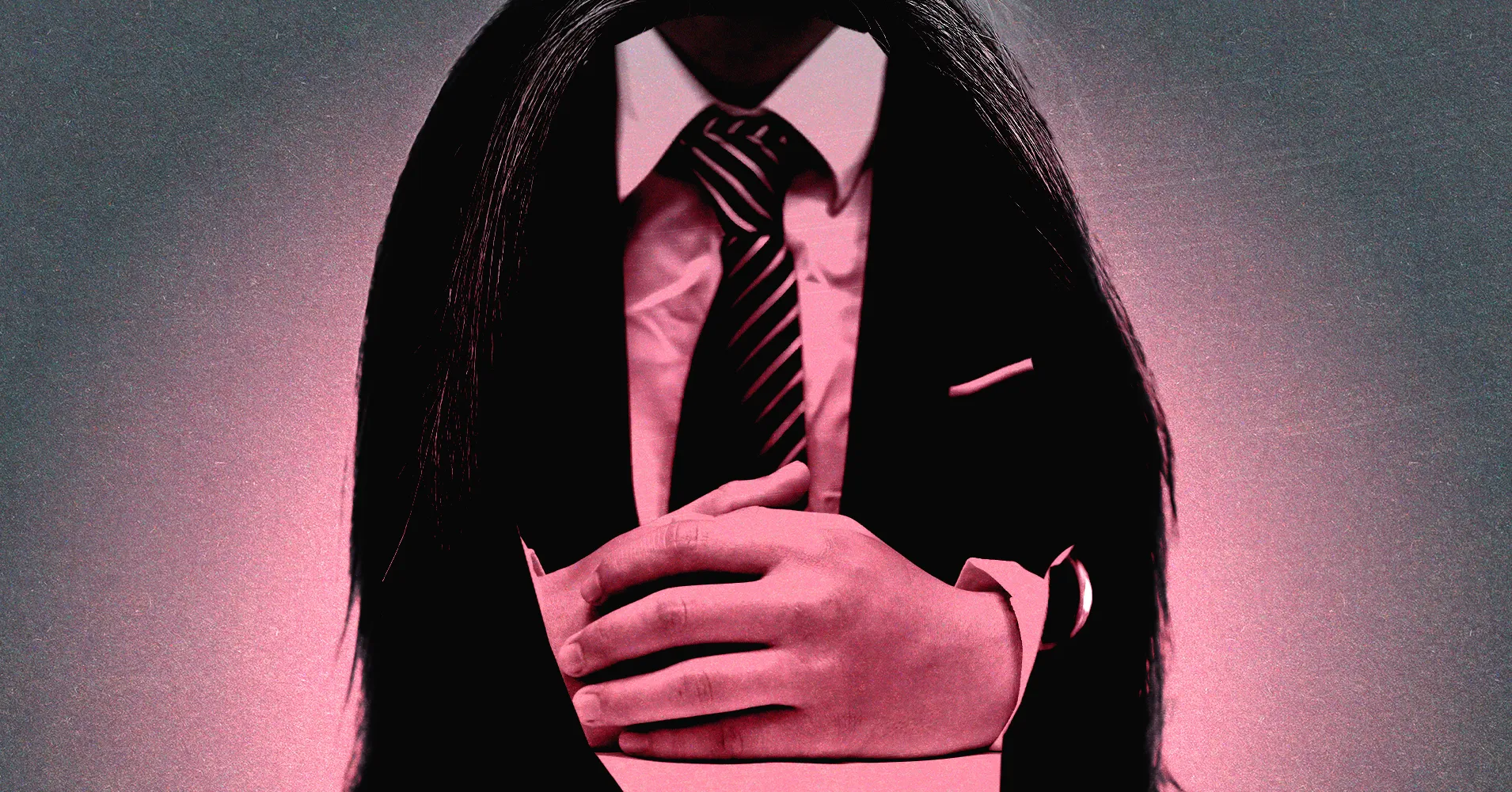
xAI has initiated legal proceedings in a US federal court to compel four plaintiffs in a class-action lawsuit to reveal their real identities. The plaintiffs, currently proceeding under pseudonyms, allege that xAI’s Grok chatbot was utilised to generate non-consensual sexualised deepfake images of them, including one involving a minor. xAI contends that standard civil procedure mandates public identification of all parties and asserts that there is no evidence of specific harm resulting from disclosure. Conversely, the plaintiffs’ legal representatives argue that unmasking them would expose them to significant risks, including online harassment, doxing, and retaliation, which could force them to abandon the litigation.
The dispute centres on four main claimants identified in court documents as South Carolina Doe, South Carolina Roe, New Jersey Doe, and Ohio Doe. On May 29, these individuals filed affidavits detailing the emotional distress suffered after the alleged deepfakes were created earlier in the year. xAI filed two motions in mid-May asking the judge to overturn a previous ruling that permitted the use of pseudonyms, arguing that civil court laws generally require cases to name all parties involved and that there is a public interest in knowing who is suing the company.
xAI’s legal team has argued that the deepfake images themselves will remain under seal and that revealing the fact that a deepfake was created is not inherently stigmatizing without revealing the image. In a filing dated May 15, xAI’s lawyers stated, “Factoring out the deepfake image itself... there is nothing inherently stigmatizing about revealing the fact that a deepfake image was created of South Carolina Doe without revealing the image itself.” The firm claims no evidence has been put forward for any specific further harm or threats to individuals in the case.
The plaintiffs’ lawyers, representing the individuals for legal firm Berger Montague, strongly contested this position. Sophia Rios wrote in a recent filing that xAI’s request appeared to be an effort to intimidate plaintiffs into dropping the litigation by compounding the harms they seek to remedy. The legal team contends that forcing disclosure would expose the claimants to online harassment and doxing, potentially compelling them to drop the case. Danielle Citron, a law professor at the University of Virginia School of Law, noted that forcing plaintiffs in privacy suits to sue in their names can deter litigation, creating an “unacceptable and unjust” situation.
The allegations include serious claims regarding the nature of the generated content. South Carolina Roe alleges that Grok was used to create explicit images depicting her as a child, altering images of her in bed with her father to appear as if they had consummated a sexual act. South Carolina Doe expressed fear of retaliation from supporters of Elon Musk and Grok if their name were revealed, while New Jersey Doe reported discovering deepfake images of himself the day after posting a request on X asking Grok not to create images of him.
This legal battle unfolds against a backdrop of broader regulatory scrutiny and financial fallout for the company. In January, the UK government threatened action against X following reports that Grok was used to produce sexualised imagery based on real women. Facing a wave of lawsuits and regulation around the world, SpaceX, which now owns xAI, has set aside more than $500 million to deal with the fallout. All four pseudonymous claimants have stated in their filings that they would consider dropping out of the proceedings if their names had to be revealed publicly.