xAI Expands Colossus 2 Gas Turbine Fleet Amidst Legal Challenges in Mississippi
Internal correspondence reveals 19 portable units installed since March, raising the total operating count to 46 while litigation regarding Clean Air Act violations continues.
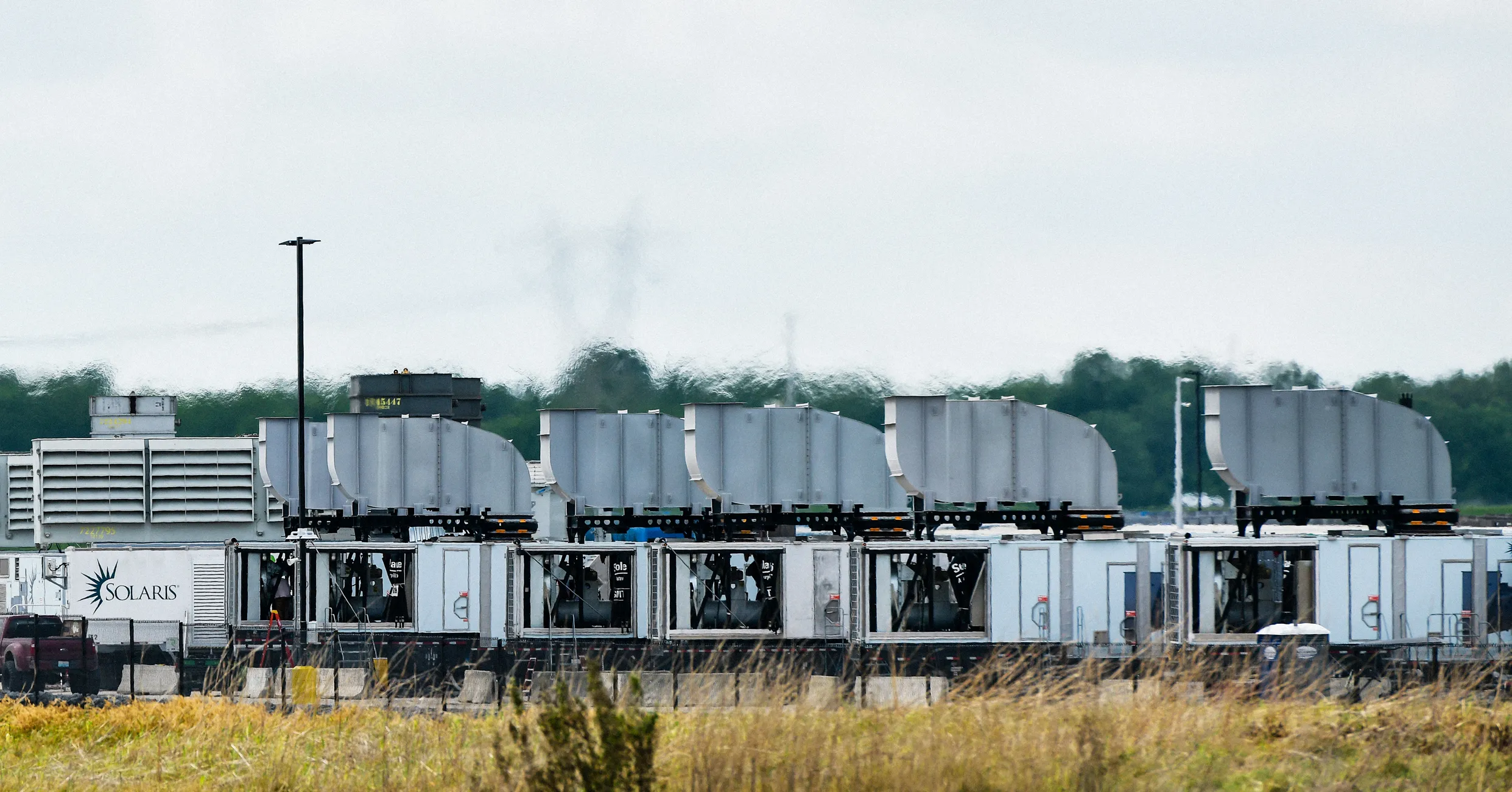
xAI has significantly increased its reliance on portable natural gas generation at its Colossus 2 data centre in Southaven, Mississippi, installing 19 new turbines between late March and early May. This rapid expansion brings the total number of operating units at the site to 46, adding more than 500 megawatts of capacity to the facility. The deployment of this temporary power infrastructure coincides with an ongoing legal battle involving the NAACP and environmental groups who allege the company is violating the Clean Air Act.
According to internal emails obtained by WIRED, eight of the newly installed turbines, representing over 200 megawatts of output, were brought online after the lawsuit was filed in April. A spreadsheet included in correspondence with the Mississippi Department of Environmental Quality (MDEQ) appears to list the megawatt capacity for each unit, confirming the scale of the increase since mid-March. Despite the MDEQ granting an air permit in March for 41 turbines, critics argue that the newly added units and some existing ones fall outside the scope of that approval.
The legal dispute centres on allegations that xAI is operating a "personal power plant" without necessary permits, a claim supported by drone footage showing turbines running weeks before regulatory approval was granted. Ben Grillot of the Southern Environmental Law Center (SELC) noted that the organisation only realised the full extent of the expansion after reviewing the emails, having initially spotted only six additional turbines during a flyover in April. The NAACP has since filed for an emergency injunction to shut down the turbines, citing essential environmental and health concerns for local Black communities.
xAI has defended the installation by stating that the data centres are essential for cutting-edge artificial intelligence and computing tools used by the US government and millions of users worldwide. The company argued that its facilities would have to shut down precipitously without the temporary power generation equipment. While both Colossus sites are connected to local power grids, the company relies heavily on the onsite gas turbines to meet its energy demands.
The situation mirrors the controversy surrounding the original Colossus 1 site in Memphis, Tennessee, which faced widespread criticism in 2024 for similar allegations regarding unpermitted portable turbines. Regulators in both states have previously indicated that because the turbines are not stationary, the company has a year to operate them without permits under the Clean Air Act. However, community opposition has remained fierce, with local health departments granting permits despite intense pressure from residents concerned about air quality in historically Black neighbourhoods.
Amidst the legal and environmental scrutiny, industry movements continue to shift. Anthropic recently announced an agreement to utilise all computing resources at Colossus 1, while Elon Musk confirmed that training for the merged SpaceXAI entity has already moved to Colossus 2. As the MDEQ evaluates whether the facility can bring additional portable units on-site, the tension between rapid technological expansion and environmental regulation remains unresolved.
