World Cup 2026: Governance, Geopolitics and the Cost of Scale
As the 2026 FIFA World Cup commences in Mexico City, questions over visa regimes, aviation infrastructure, and FIFA’s financial distribution models overshadow the sporting event.
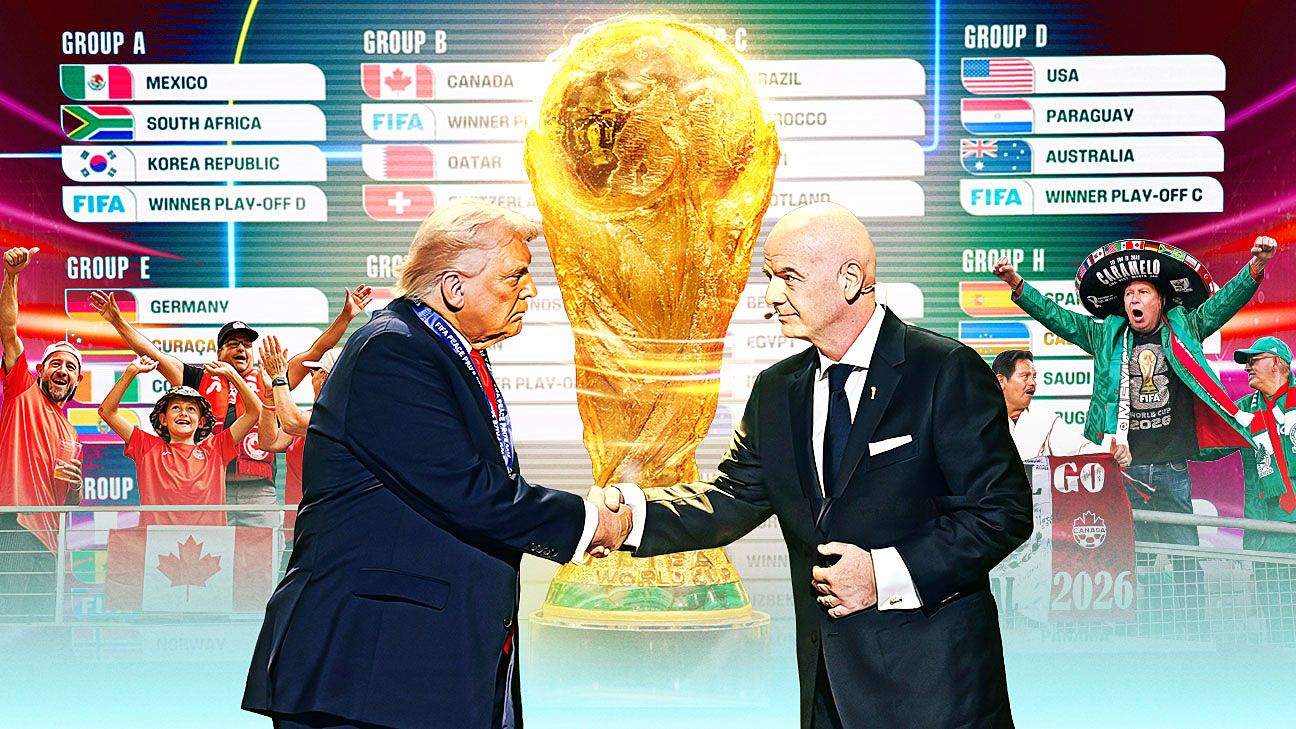
The 2026 FIFA World Cup officially commenced on Thursday, June 11, at the Estadio Azteca in Mexico City, marking the debut of the first tournament hosted across three nations: the United States, Canada, and Mexico. With an expanded field of 48 teams and a schedule running through July 19, the event is defined by unprecedented logistical and political complexities. While the tournament promises high-profile matches featuring stars such as Lionel Messi, Cristiano Ronaldo, and Lamine Yamal, the institutional framework surrounding the competition has drawn significant scrutiny from governance experts and local authorities.
Central to the controversy is the scale of commercial operations, particularly regarding ticketing. Reports indicate that prices for the final exceeded $40,000 prior to the tournament’s start, prompting a local authority to investigate whether fans were misled by FIFA’s new ticketing platform, which takes a commission on both primary and secondary market sales. The pricing structure was so contentious that US President Donald Trump reportedly stated, “I wouldn't pay it either, to be honest with you,” highlighting the disconnect between official policy and public sentiment regarding the cost of attendance.
Logistical challenges further complicate the tournament’s execution, particularly within the United States. The host nation is grappling with system-crippling staffing shortages in its aviation sector and gas-related price inflation for airline bookings. These infrastructure deficits are compounded by severe visa and immigration restrictions, including increased scrutiny of visitors and entry bans for citizens of four participating nations. The situation has raised concerns among foreign delegates, with a former Iran soccer federation official describing the conditions for players as “very, very difficult” due to the current geopolitical climate.
Geopolitical tensions are heightened by an ongoing military conflict between the United States and Iran, raising questions about the Iranian team’s participation. This conflict has intensified criticism of FIFA President Gianni Infantino, who faces scrutiny for his close ties to President Trump. Infantino awarded the FIFA Peace Prize to Trump in December 2025, approximately three months before the US military action against Iran. Critics note that the prize was awarded without discernible criteria or voting procedures, suggesting a politicisation of FIFA’s institutional awards that contrasts with the organisation’s stated neutrality.
Despite these controversies, FIFA is proceeding with a massive financial distribution model. The organisation is distributing $871 million to participating teams, with at least $12.5 million allocated to each nation simply for qualifying. Infantino has framed this as a mechanism to fund grassroots soccer programs in smaller nations such as Haiti, Curacao, and Cape Verde. However, the tournament’s reliance on existing NFL venues and private infrastructure has also drawn attention to the economic disparities in fan experience, with some transport costs in cities like New York seeing markups of nearly 700 per cent.