World Cup 2026: Governance, Geopolitics, and the Cost of Expansion
As the 2026 FIFA World Cup commences across the United States, Mexico, and Canada, the tournament faces intense scrutiny over ticket pricing investigations, immigration enforcement, and geopolitical tensions that threaten to overshadow the sporting event.
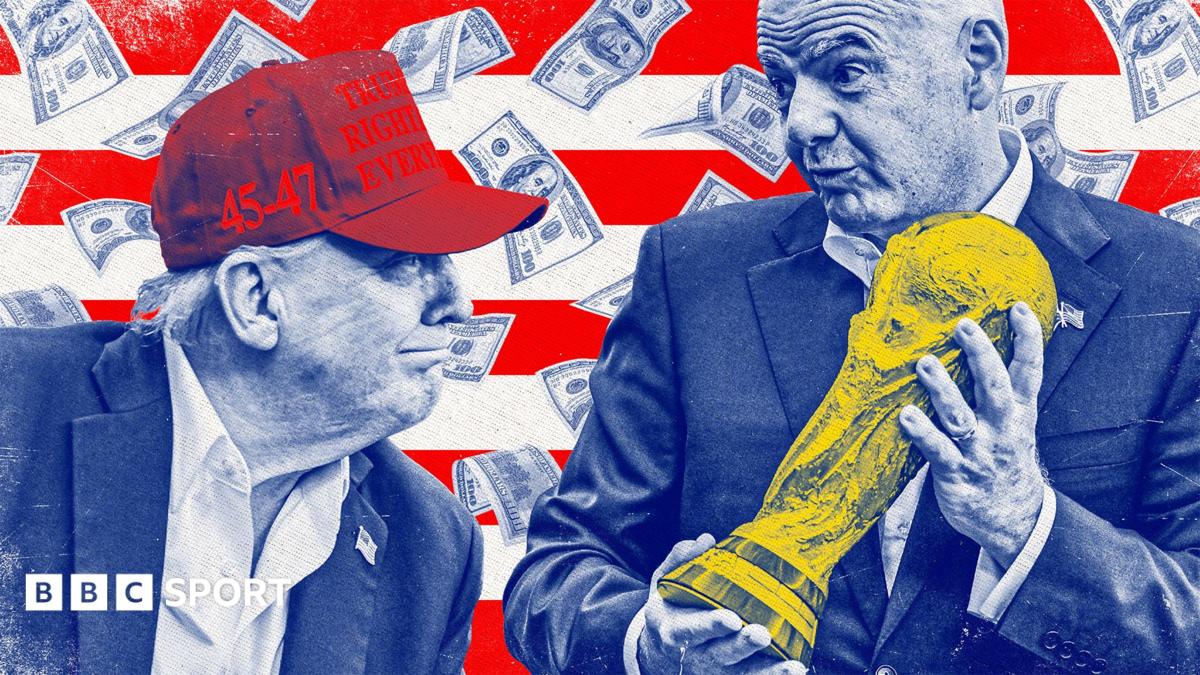
The 2026 FIFA World Cup, co-hosted by the United States, Mexico, and Canada, has begun amid a storm of controversy that challenges the organisation’s narrative of inclusivity and unity. While FIFA President Gianni Infantino has described the tournament as the greatest event in human history, critics and regulators are highlighting significant governance failures, including dynamic ticket pricing that has triggered investigations in New York and New Jersey. Allegations of artificially inflated costs and misleading consumers have cast a shadow over the financial architecture of the expanded tournament, which is projected to generate over nine million tonnes of carbon dioxide.
Regulatory bodies in New York and New Jersey have launched formal inquiries into FIFA’s pricing strategies, citing concerns that fans are being misled. Although FIFA claims the event is sold out with more than five million tickets sold, independent analysis by BBC Sport indicates that thousands of tickets for matches involving smaller nations remain available below face value on resale platforms. This discrepancy has led to accusations that the governing body is dumping inventory and exploiting dynamic pricing models, a strategy that has drawn sharp rebuke from supporter groups who describe the costs as a betrayal of the sport’s fanbase.
The political backdrop of the tournament is equally contentious, with the United States engaged in military conflict with Iran, a participating nation. The Iranian squad relocated its base from Arizona to Mexico following attacks in February, and the team’s participation has been complicated by visa denials for executives and staff. Iran’s embassy in Turkey has accused the US of politically biased interference, while FIFA has reportedly moved to ban the pre-revolutionary Iranian flag from venues. These developments underscore the deep entanglement of sport and statecraft, with US President Donald Trump expected to play a central role in the event’s proceedings.
Immigration policies and security operations have further complicated the tournament’s logistics. Analysis indicates that fans from more than a quarter of the 48 participating countries face travel bans, tighter restrictions, or high visa rejection rates. The situation has reached a critical point with the exclusion of Somali referee Omar Artan, who was dropped from the official list after being denied entry to the US. The involvement of US Immigration and Customs Enforcement (ICE) in security operations has raised additional concerns regarding the militarisation of the event and the safety of attendees, with human rights organisations warning of the risks associated with discriminatory enforcement.
Environmental and health safety measures are also under intense scrutiny. Scientists have warned that heat safety protocols are inadequate, with temperatures at 14 of the 16 host venues expected to exceed dangerous levels. While FIFA has permitted sealed disposable water bottles following backlash over an initial ban, the environmental impact of the tournament remains a significant point of contention. With aviation accounting for the majority of the carbon footprint, the event is being described by environmentalists as the most climate-damaging World Cup in history, challenging FIFA’s pledges to reduce emissions and reach net-zero by 2040.