Wordle TV spinoff announced by Jimmy Fallon
Filming is set to commence in Manchester this summer for the NBC series produced by Electric Hot Dog, as the newspaper division seeks new income streams.
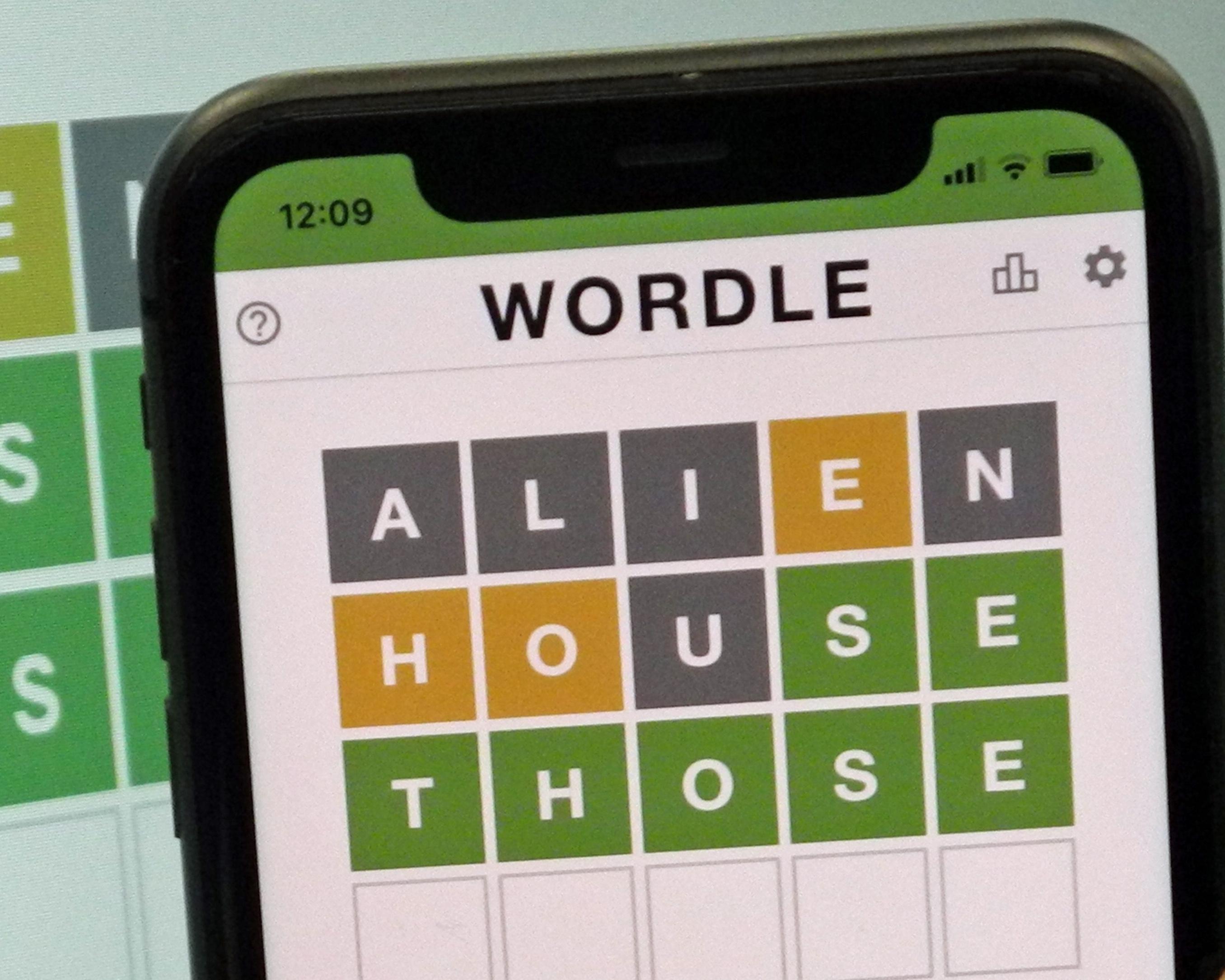
Jimmy Fallon's production company, Electric Hot Dog, has acquired the rights to Wordle to create a new television gameshow. The adaptation marks a significant shift from the game's origins as a solitary mobile puzzle to a competitive format featuring teams of players solving word challenges for cash prizes.
The series is scheduled to begin filming in Manchester, England, this summer, with a target debut on NBC next year. This move represents a deliberate strategy by The New York Times to generate revenue for its newspaper division, which is facing ongoing financial pressures and seeking to diversify its income sources beyond traditional journalism.
While the game is owned by The New York Times, the transition to television alters the core experience of the original product. Wordle was historically a digital pursuit reliant on individual tactics and personal strategies, often played in isolation. The proposed television version, however, requires the establishment of rigid rules regarding team composition and gameplay mechanics, a structural change that may alienate the dedicated community of solitary players who have honed their skills over the years.
Critics have noted that the game already feels like a relic in 2026, having evolved from a scrappy upstart shared on social media to a million-dollar acquisition that no longer relies on digital sharing. The adaptation is viewed by some as a necessary diversification tactic for a medium caught in a permanent death spiral, where funding investigative journalism now depends on monetising viral digital hits.
The Guardian, which already operates a similar game called Wordiply, is noted as a potential competitor in this emerging market. There is speculation that other publications may follow The New York Times' lead by adapting their content into entertainment formats to bolster their financial future, potentially pitching shows based on existing non-news features or live commentary series.
Despite the skepticism surrounding the format, the announcement highlights the evolving landscape of media ownership. As Fallon's production company moves forward with the project, the industry watches to see if a digital-only viral phenomenon can successfully translate to the traditional television screen while sustaining the viability of its parent newspaper.