WMO advisor urges infrastructure redesign as European heatwave sets new baseline
Armel Castellan tells France 24 International that extreme heat is no longer a temporary anomaly but a persistent societal challenge impacting multiple sectors simultaneously.
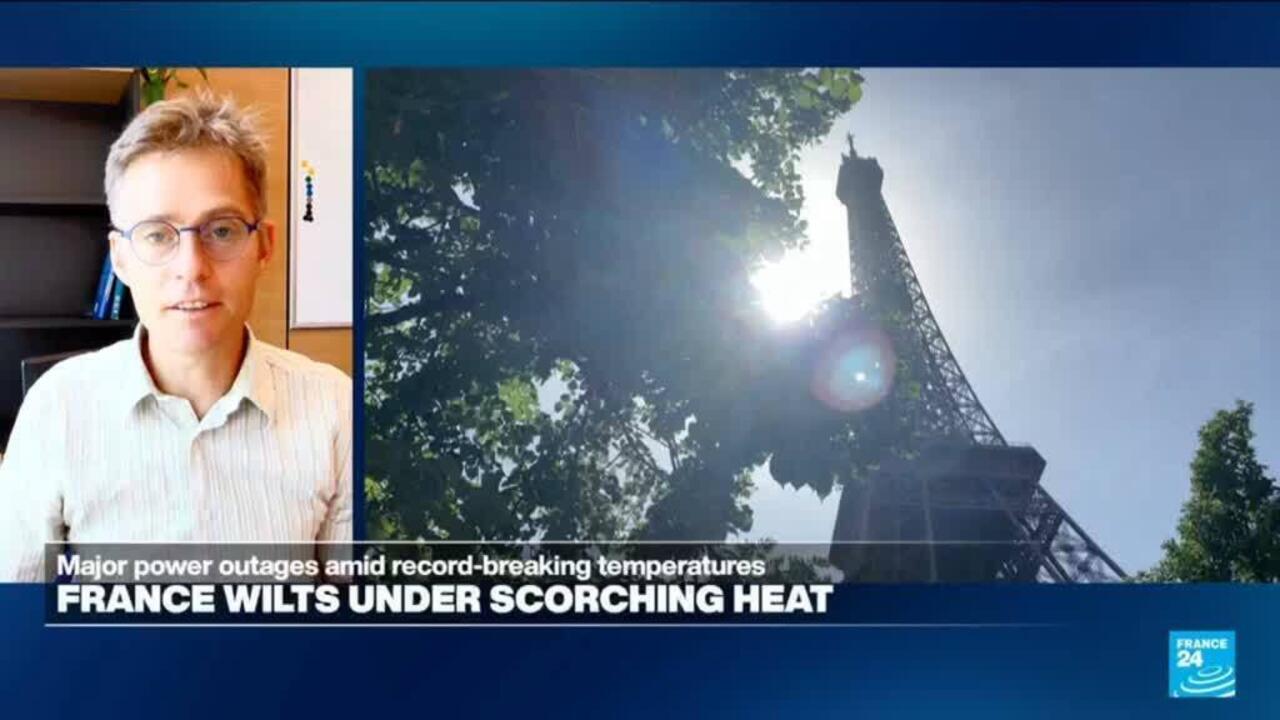
Armel Castellan, the Extreme Heat Services Technical Advisor at the World Meteorological Organization (WMO), has called for a fundamental rethinking of how governments approach extreme heat, arguing that infrastructure must be redesigned to accommodate a hotter climate. Speaking during a severe heatwave currently affecting Europe, Castellan emphasised that extreme heat should no longer be viewed as a temporary weather anomaly but rather as a structural challenge encompassing public health, infrastructure, and societal stability.
In an interview with France 24 International, Castellan outlined the WMO’s position that current heat extremes are establishing the baseline for future temperatures. This perspective suggests that the severe conditions experienced today are not outliers but rather the new standard from which even hotter futures will emerge, necessitating long-term strategic adjustments in urban planning and resource management.
The advisor described heatwaves not merely as episodes of discomfort but as cascading crises that simultaneously impact a wide range of critical sectors. According to Castellan, these events strain human health, disrupt energy systems, compromise housing integrity, affect agricultural output, threaten water security, and overwhelm emergency services.
This reframing of heatwaves as multi-sectoral crises highlights the interconnected nature of modern infrastructure vulnerabilities. Castellan’s comments underscore the urgency for policy makers to move beyond reactive measures and adopt comprehensive adaptation strategies that address the systemic risks posed by rising global temperatures.
The World Meteorological Organization’s stance comes as European nations grapple with the immediate impacts of the ongoing heatwave. The call for infrastructure redesign reflects a broader recognition within the international meteorological community that climate adaptation is increasingly about preparing for persistent, high-intensity thermal events rather than isolated weather incidents.