Wireless charging wastes 40 per cent more energy than wired alternatives, study finds
New data from OneZero and iFixit highlights significant energy losses and environmental costs associated with electromagnetic induction charging.
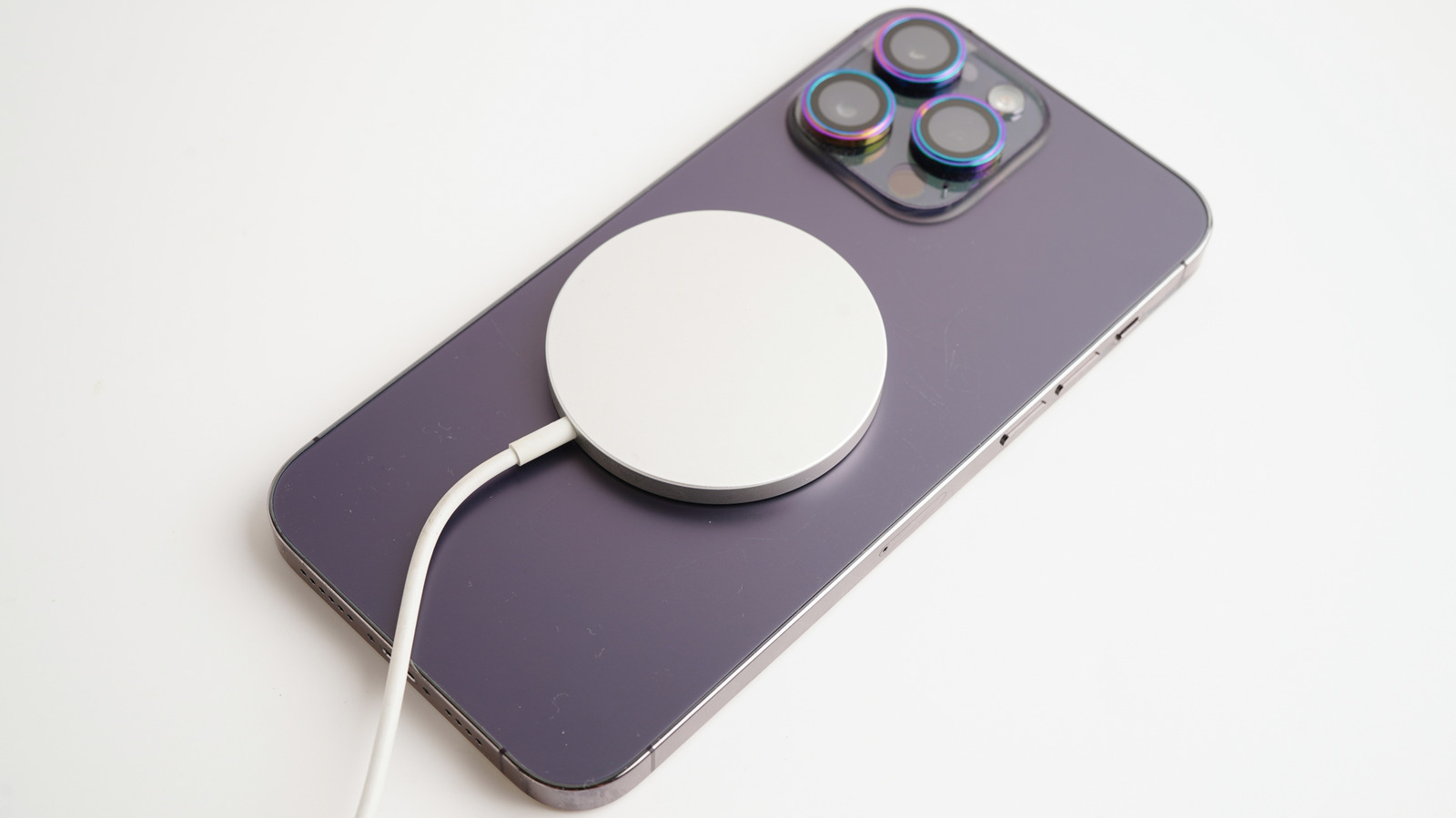
Wireless charging technology remains significantly less energy-efficient than traditional wired methods, with a 2020 study by enterprise platform OneZero indicating that wireless charging wastes approximately 40 per cent more electricity per charge cycle. The research found that fully charging a smartphone via a wireless pad requires around 21 watt-hours (Wh) of energy, compared to just 15 Wh for a wired connection. This inefficiency stems from the inherent losses in transmitting power through magnetic fields and air gaps, a process that is physically less direct than a copper cable connection.
The energy gap persists in modern iterations of the technology, though it has narrowed slightly. A 2024 test by iFixit of Apple’s MagSafe charger revealed an energy consumption gap of approximately 36 per cent higher than wired charging, a marginal improvement over the figures cited in the 2020 OneZero study. However, the study noted that physical misalignment on a charging pad can halve efficiency, a variable that remains difficult to control in everyday use. Additionally, wireless chargers lose between 20 and 30 per cent of power due to heat dissipation, on top of the standard 5 to 10 per cent losses incurred by all chargers when converting alternating current to direct current.
The cumulative environmental impact of these inefficiencies is substantial. With 30 to 66 per cent of smartphone owners utilising wireless pads, according to the Wireless Power Consortium and Deloitte Mobile Consumer Survey UK, the global scale of energy waste is considerable. If 30 per cent of the world’s 7.6 billion smartphones are charged wirelessly, annual global power waste could reach 4,830 gigawatt-hours (GWh). To put this in perspective, the energy consumed by a single wireless charger over a year is approximately 7.6 kWh, compared to 5.5 kWh for a wired charger.
Beyond immediate energy waste, the heat generated during wireless charging poses risks to device longevity and user safety. The thermal output can degrade lithium-ion battery health over time, potentially leading to earlier device replacement and increased electronic waste. Modern smartphones employ safety mechanisms that throttle charging speeds if battery temperatures reach approximately 45°C to prevent overheating, but this further reduces efficiency. Furthermore, some powerful chargers have been noted to interfere with medical devices such as pacemakers by triggering their magnet mode and altering pacing rates.
While industry standards such as Qi2 and MagSafe are improving coil alignment and overall efficiency, wired charging remains the superior option for energy conservation. The fundamental physics of electromagnetic induction means that wireless charging is unlikely to ever surpass the efficiency of a direct electrical connection. As adoption grows, the environmental footprint of both energy waste and the eventual disposal of charging pads as electronic waste continues to expand, underscoring the trade-off between convenience and sustainability.
