Wireless Android Auto adapters offer cable-free convenience with trade-offs in battery life and latency
Small devices using Bluetooth and 5GHz Wi-Fi Direct can convert wired infotainment systems, though users must manage power consumption and ensure correct specifications to avoid lag.
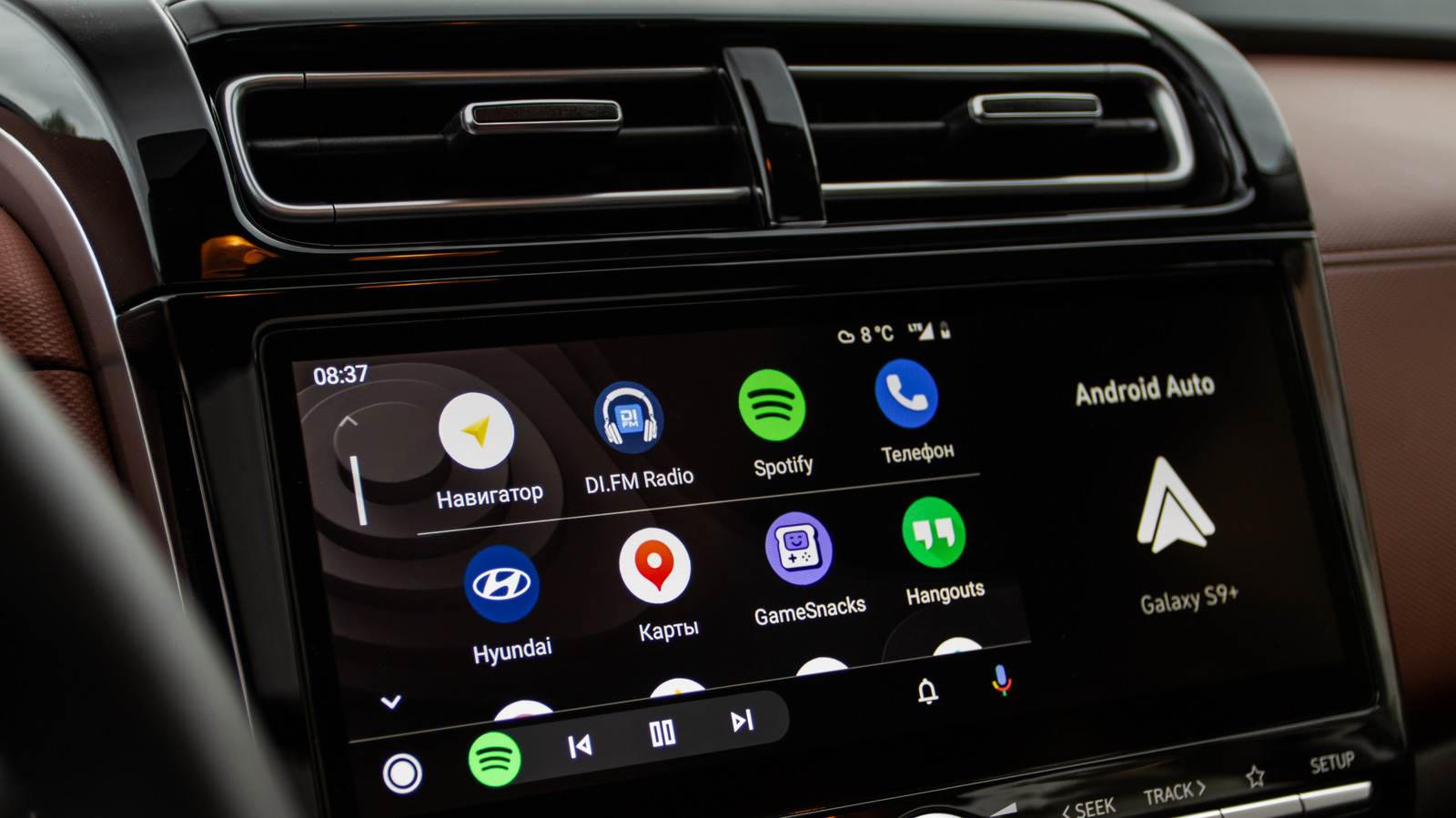
Wireless hardware adapters are now available to convert vehicles equipped with wired Android Auto systems into wireless setups, removing the need for physical USB cables during daily use. According to a recent report by Engadget, these small devices function by utilising Bluetooth for initial device authentication and hands-free calling, while establishing a 5GHz Wi-Fi Direct network to stream navigation, audio, and screen data. This technology acts as a hardware translator, bridging the gap between older wired infotainment systems and modern wireless expectations.
While the upgrade simplifies commutes by eliminating the need to fumble for cables, users should anticipate increased battery drain on mobile devices and potential minor latency compared to direct wired connections. Maintaining a constant 5GHz Wi-Fi direct connection while running GPS and streaming media takes a toll on battery life, meaning drivers on longer road trips may still require a separate charging cable. The connection speed, while convenient, cannot match the raw throughput of a direct wired link, representing a minor trade-off for the added ease of use.
Recommended specifications for these adapters include 5GHz Wi-Fi capability to prevent lag and detachable USB cables to avoid obstructing other vehicle ports. Engadget advises against models relying on 2.4GHz Wi-Fi connections, which are noticeably slower and prone to interference. Additionally, adapters with built-in USB connectors may protrude awkwardly from dashboards or block adjacent ports, making detachable designs a more practical choice for most vehicles.
Available brands include Carlinkit, AAWireless, Ottocast, and Motorola, offering a range of options for consumers looking to upgrade their in-car technology. However, Engadget emphasises that these adapters are not a solution for vehicles that do not support Android Auto at all. They are strictly an upgrade for cars that already possess wired Android Auto support, serving as a middleman device rather than a complete system overhaul.
The setup process is described as straightforward, typically taking only minutes, with the system designed to automatically reconnect each time the user enters the vehicle. Despite claims of seamless automatic connection, wireless connections can occasionally suffer from dropouts or pairing issues, and the ease of setup may vary depending on user technical proficiency and specific vehicle interfaces. The low cost and significant improvement in daily usability make these adapters a popular choice for drivers seeking to modernise their existing infotainment experience.
