WIRED’s 2026 smart speaker guide highlights ecosystem lock-in and privacy shifts
The publication’s latest review underscores the rising costs of voice assistants and the regulatory impact of new UK legislation on device longevity.
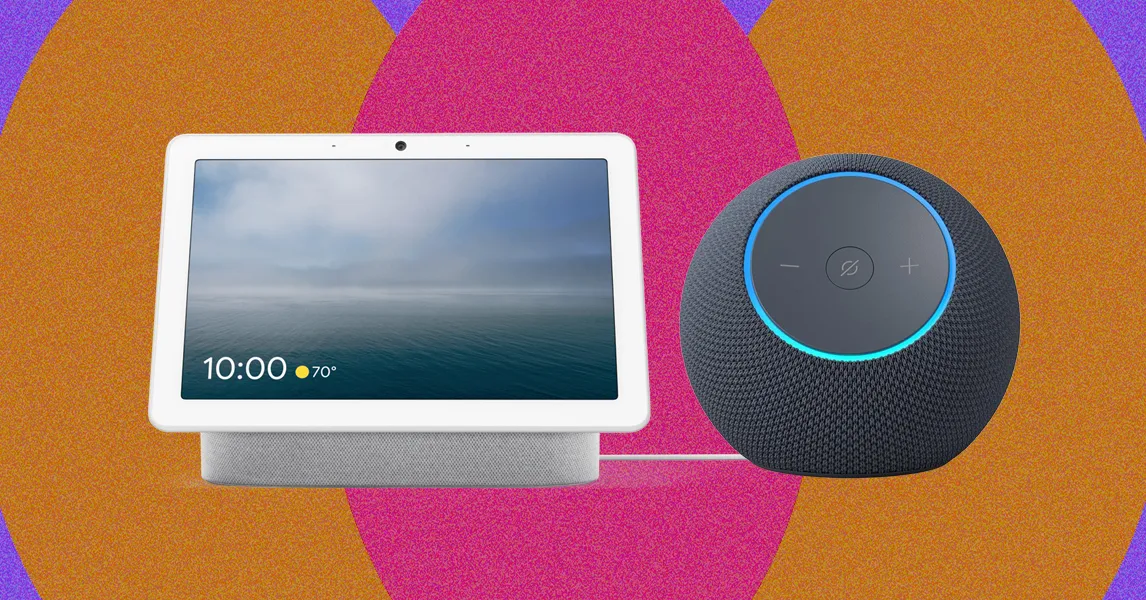
WIRED published an updated smart speaker buying guide on 4 June 2026, recommending devices from Amazon, Google, and Apple. The article identifies the Amazon Echo Dot Max, Google Nest Audio, and Apple HomePod Mini as top picks for their respective ecosystems. It notes that Google is preparing to launch the 'Google Home Speaker' in spring 2026, priced at $99. The article reviews smart displays, highlighting the Nest Hub Max and Amazon Echo Show 11, while discussing privacy concerns related to voice recording policies and new UK legislation.
Amazon’s ecosystem remains the most expansive, with the Echo Dot Max emerging as a standout option following its late 2025 launch. The device features improved sound quality and a built-in smart home hub, distinguishing it from older, more affordable models. However, the guide highlights a significant shift in Amazon’s service model with the introduction of Alexa+. This AI-powered assistant requires a $20 monthly subscription or an Amazon Prime membership, which costs $15 monthly. The publication notes that the pricing structure appears designed to encourage Prime adoption, as subscribing to the standalone assistant is more expensive than the broader membership.
In the Google segment, the Nest Audio is currently the recommended speaker, though availability is dwindling as the company prepares for its next release. Google has ceased sales of the Nest Audio and Nest Mini to make way for the new Google Home Speaker, which is expected in spring 2026. The incoming device is priced at $99 and is described as having a taller, rounded form factor similar to the Apple HomePod Mini. Google is also transitioning its voice assistant to 'Gemini for Home', which replaces the existing Google Assistant. While the base assistant remains free, advanced features such as 'Gemini Live' and camera storage via Nest Aware are moving to a paid tier starting at $10 monthly.
Apple’s offering remains limited to the HomePod Mini for users seeking an affordable entry point into its ecosystem. The guide positions the Mini as a convenient option for those already invested in Apple Home and Siri, noting that it serves as a smart home hub without the need for the larger, more expensive HomePod. Despite its lower price point, the publication acknowledges that Apple’s ecosystem is more restrictive than its competitors, with users reporting more difficulties when adding devices to the Home app compared to other platforms.
The guide also addresses privacy and regulatory concerns, particularly regarding voice data processing. Amazon has discontinued its 'Do Not Send Voice Recordings' feature, meaning all voice requests for both standard Alexa and Alexa+ are now sent to the cloud for processing. This change affects all users regardless of subscription status. On the regulatory front, the article references a UK law passed in April 2024 that mandates clearer information on product support lifecycles and security procedures. This legislation aims to protect consumers from devices becoming obsolete due to a lack of software updates, a concern that is increasingly relevant as smart speakers evolve into central home hubs.
