WIRED’s 2026 running shoe review: Performance, value and the end of the mileage rule
From the Saucony Endorphin Azura to the Puma Fast-R Nitro Elite 3, WIRED’s latest comprehensive review challenges traditional replacement schedules in favour of performance-based metrics.
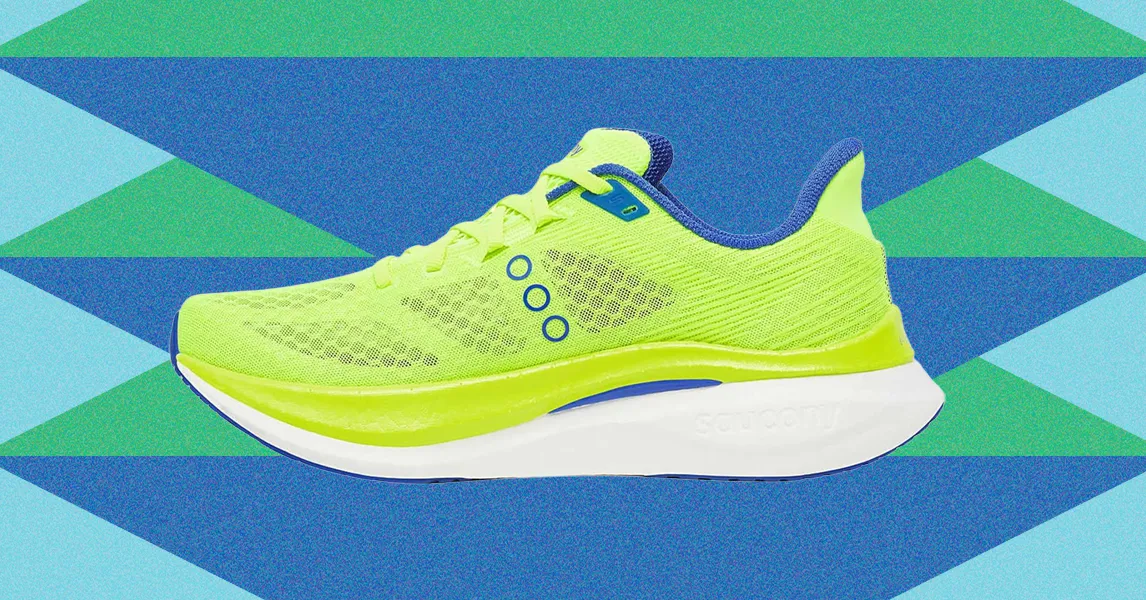
WIRED published a comprehensive review of running footwear in May 2026, drawing on thousands of test miles to evaluate the current market landscape. The publication’s analysis moves beyond simple brand loyalty, offering a detailed breakdown of models designed for specific athletic requirements, from all-around daily training to high-performance racing. The review underscores a significant shift in how runners should approach footwear longevity, advising that replacement decisions be driven by changes in comfort and performance rather than adhering to a fixed mileage interval.
The Saucony Endorphin Azura was identified as the top all-around trainer, praised for its versatility and value in the $130 to $160 price bracket. WIRED noted that the shoe’s PWRRUN PB foam and SpeedRoll curved rocker midsole provide a controlled energy return that suits a broad range of paces. It is positioned as a strong alternative for runners seeking stability without the aggressive stiffness often associated with plated shoes, making it suitable for everything from slow recovery runs to tempo efforts.
For athletes focused on race performance, the Puma Fast-R Nitro Elite 3 emerged as a standout option. The review highlighted the shoe’s efficiency, citing lab tests that showed improved running economy for all 15 tested runners compared to rival models. Featuring a high-rebound nitrogen-injected foam and a full-length carbon plate with a unique decoupled midsole design, the Fast-R Nitro Elite 3 is tailored for runners chasing personal bests over distances up to the marathon. However, the publication cautioned that the shoe’s stability relies heavily on the runner’s form, particularly as fatigue sets in during longer efforts.
In the value super-trainer segment, the Kiprun Kipstorm Tempo was highlighted for offering high-end technology at a more accessible price point. WIRED described the shoe as a genuine rival to more expensive models like the Asics Megablast, noting its bouncy, high-energy feedback and secure fit. The review also featured the Puma Deviate Nitro 4 as a versatile carbon racer that balances speed with cushioning, making it suitable for both faster training sessions and marathon race days.
The publication’s methodology emphasised that modern midsole foams and outsole rubbers have rendered the traditional 300 to 500-mile replacement rule obsolete. WIRED argued that durability is now judged by whether the shoe continues to deliver bounce and performance, rather than just physical protection. The review concluded that runners should monitor their shoes for shifts in comfort and energy return, replacing them when they feel off rather than when a specific mileage threshold is reached. Other models featured in the extensive test included the Adidas Hyperboost Edge for maximum cushioning, the Asics Gel Kayano 32 for stability, and the Hoka Speedgoat 7 for trail running.
