WIRED’s 2026 pool robot guide highlights shift to battery-powered tech
A comprehensive review by WIRED identifies the Beatbot AquaSense 2 Ultra as the top all-around choice, while the Dreame Z1 Pro emerges as the best value, reflecting a broader industry transition toward autonomous, battery-operated cleaning systems.
WIRED published a buying guide on 29 May 2026 that ranks the latest robotic pool cleaners, marking a decisive industry shift from traditional pressure-side and corded electric models to battery-powered units. The publication noted that consumers increasingly prefer battery-operated robots for their manoeuvrability, lack of unsightly hoses, and ability to remain in the water for extended automated schedules without obstructing the pool.
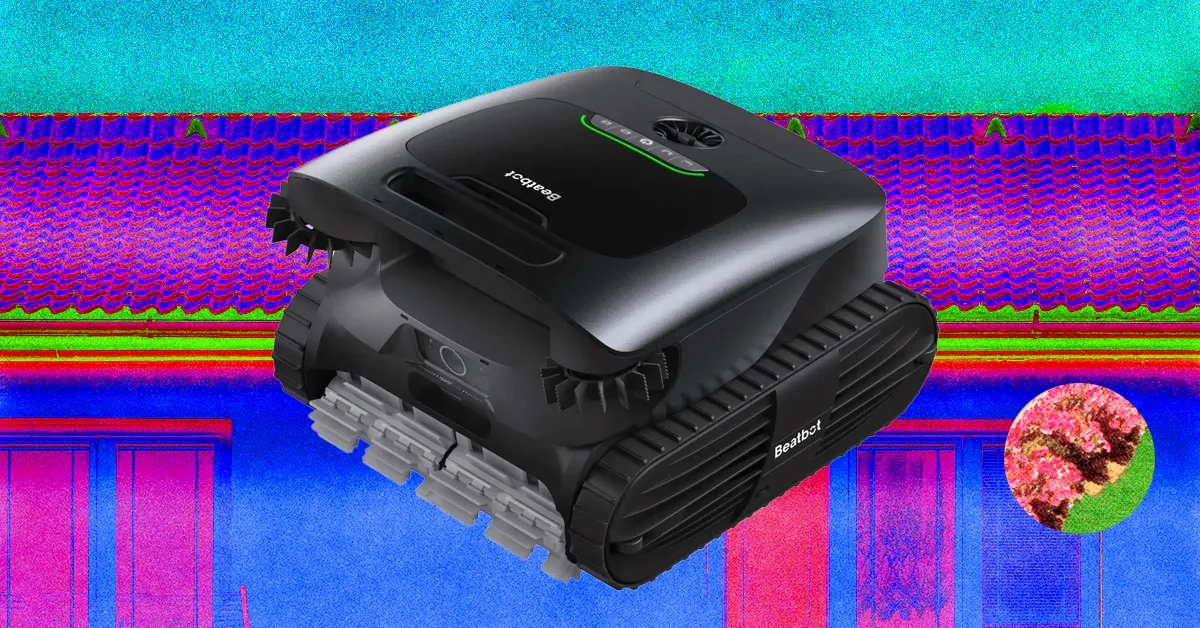
The Beatbot AquaSense 2 Ultra was rated the best all-around option, commanding a price point of approximately $3,000. The device features AI-powered debris detection, six hours of underwater battery life, and a surface-skimming capability. However, the guide noted the unit’s substantial 29-kilogram weight, describing it as unwieldy for users to remove from the water manually.
For buyers seeking greater affordability, the Dreame Z1 Pro was highlighted as the best value. Priced at $499, down from an original $1,499, the unit offers graphical pool mapping and magnetic plug-free charging. Despite a slower cleaning speed, WIRED’s testing found it effective for casual maintenance, particularly in smaller pools.
Innovation in battery capacity was a key theme, with iGarden’s M1-AI series introduced featuring a 12,500 mAh battery that allows up to nine hours of running time. This model utilises an AI-powered camera to actively scour for debris, allowing owners to leave the robot in the pool for up to three weeks. The guide also reviewed models from Mammotion, Aiper, Fanttik, Wybot, and Polaris, alongside Beatbot’s iSkim Ultra surface skimmer.
Testing methodologies involved quantifying debris capture using 100 silk crafting leaves in a 468-square-foot L-shaped pool in Houston, Texas. The author cautioned that manufacturer claims regarding maximum pool sizes were often meaningless, advising that most robots are suitable for pools only a quarter to half of their stated capacity. While safety concerns regarding lithium-ion batteries were acknowledged, the guide concluded that battery-powered units offer superior convenience over corded alternatives for most users.
