WIRED’s 2026 gaming laptop guide prioritises portability and the Nvidia RTX 50-series
An updated analysis of over a dozen models reveals that premium builds from Razer and Lenovo now rival desktop performance in a portable form factor, while technical standards have risen to include 16GB of RAM as the baseline.
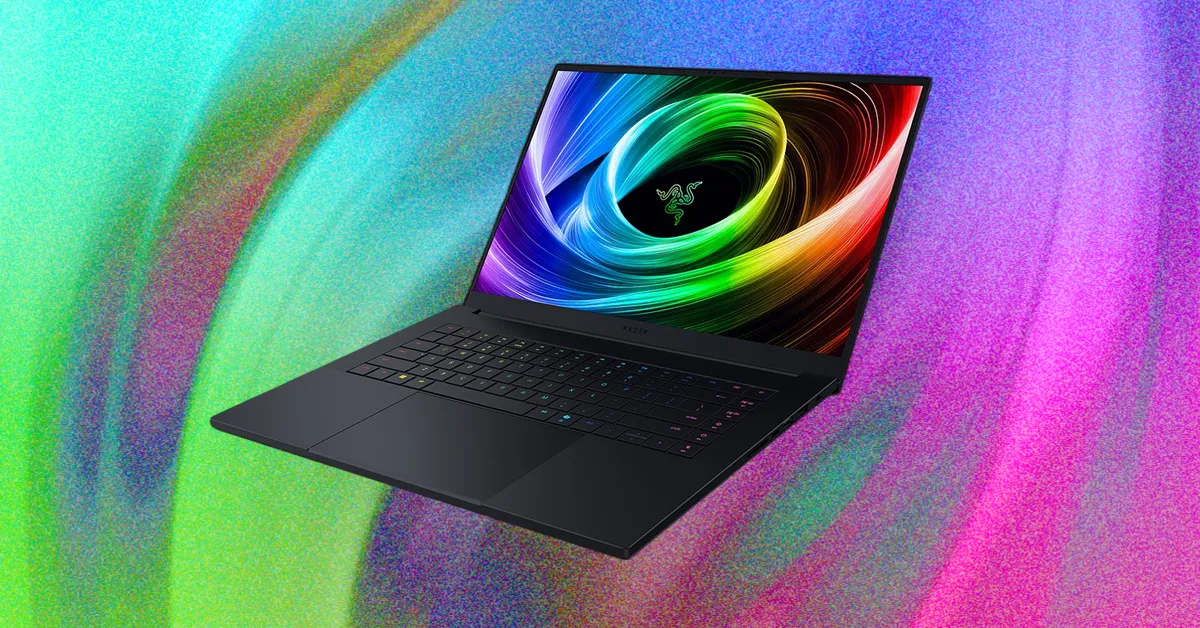
WIRED has released its 2026 buying guide for gaming laptops, drawing on extensive testing of more than a dozen models to map the current state of the portable PC market. The publication notes a distinct industry pivot away from the bulky, impractical designs of the past towards thinner, more portable devices that deliver performance comparable to desktop towers. This shift allows gaming laptops to serve as viable alternatives to stationary gaming rigs, with manufacturers increasingly prioritising sleek, minimalist aesthetics over the aggressive, vent-heavy styling that previously defined the category.
In the premium segment, the guide highlights the Razer Blade 16 and Blade 14 as standout options for their machined aluminium construction and slim profiles. The Blade 16 is noted for its ability to house powerful components, including the Nvidia RTX 5090, while the smaller Blade 14 offers a more portable form factor with RTX 5060 or 5070 graphics. For users seeking high performance without the same level of portability focus, the Lenovo Legion 7i Gen 10 is recommended for its robust build, glossy OLED display, and strong HDR capabilities, which can reach over 1,000 nits of brightness.
Budget-conscious buyers are directed towards the Lenovo LOQ 15, which WIRED identifies as the top option in the sub-$1,000 category. The guide praises the LOQ 15 for delivering top-rated performance at an affordable price point, noting that many competitors charge significantly more for similar RTX 5060 configurations. For those willing to spend less, the MSI Cyborg A15 is suggested as a viable alternative, offering an RTX 5050 GPU and a robust 180-watt power brick, though it lacks the premium display quality of its more expensive counterparts.
The article also examines alternative form factors, including the Asus ROG Flow Z13 tablet and handhelds like the Steam Deck. The Flow Z13 is highlighted for its unique 2-in-1 design, which keeps heat away from the user’s hands, while handhelds are positioned as suitable for gaming on the go, albeit with limitations for productivity tasks. Additionally, the guide acknowledges that non-gaming laptops with powerful integrated graphics, such as the Dell XPS 14, can handle AAA titles, offering better battery life for users who do not require discrete graphics cards.
Technical advice in the guide emphasises specific hardware requirements for a modern gaming experience. WIRED advises a minimum of 16GB of RAM, with 32GB recommended for new AAA titles, and stresses the importance of discrete GPUs, primarily from the Nvidia RTX 50-series. The publication also recommends OLED or mini-LED displays for superior HDR performance and response times, while cautioning against older graphics cards like the RTX 4050 or 3050, which may be several generations behind current standards and offer diminishing returns.
