WIRED updates personal safety alarm guide with new subscription models and satellite options
The latest assessment from WIRED highlights the shift toward connected safety devices, detailing pricing for alarms, monitoring subscriptions, and legal nuances surrounding pepper spray.
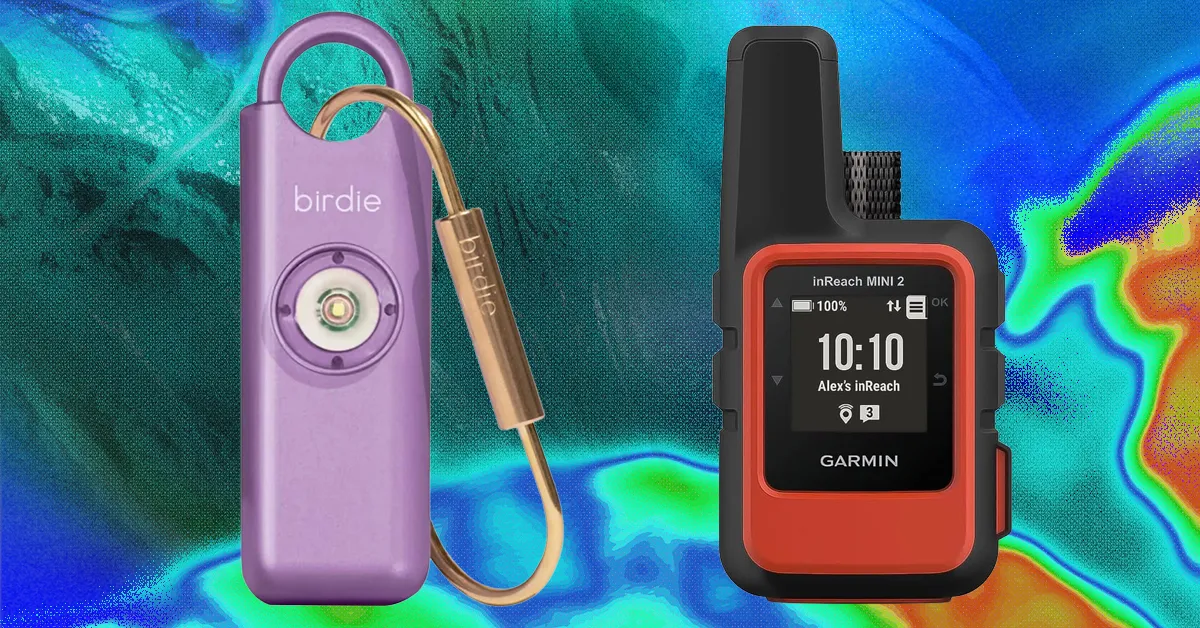
WIRED has published an updated guide on personal safety alarms and gadgets, testing devices such as the Taiker, Kosin, and Thopeb alarms, the Birdie 3.0, InvisaWear accessories, and Sabre alarms. The publication also highlights the Garmin inReach Mini 2 satellite messenger and the Fenix E35R flashlight as safety tools. The review notes that alarms typically emit sirens of at least 120 decibels and may include features like strobe lights, emergency monitoring subscriptions, and satellite connectivity. The article also outlines legal restrictions on pepper spray in various US states.
The publication has updated its guide in July 2026, removing discontinued products and adding an FAQ section. Prices and product information for the Taiker ($9), Kosin ($18), and Thopeb ($19) alarms were updated. The Birdie 3.0 is an upgraded, rechargeable model with an on/off switch and a flashlight that operates independently of the siren. The Birdie 3.0 offers a subscription service ($5/month or $50/year after a 30-day trial) providing 24/7 live emergency support, location sharing, and fake call functionality.
InvisaWear accessories, backed by ADT, require a $20 monthly subscription for 24/7 access, in-app chat, voice activation, and virtual self-defense classes. The Sabre 2-in-1 clip-on alarm is weatherproof and features a 120-decibel siren audible up to 1,300 feet. The Garmin inReach Mini 2 uses the Iridium satellite network for SOS alerts and location updates in remote areas. The Fenix E35R flashlight is recommended for its durability and ability to disorient attackers.
Pepper spray regulations vary by state: Wisconsin and California regulate canister size and OC concentration; Massachusetts and New York require purchase from licensed in-state pharmacists. The guide emphasizes that while pepper spray is legal in all 50 states, additional restrictions may apply, including age limits and jurisdiction-specific bans in certain spaces.
WIRED’s testing methodology involves triggering every alarm and speaking to emergency responders when applicable. The publication notes that personal safety alarms offer a straightforward alternative to physical self-defense tools, particularly for families, solo joggers, and commuters. The review distinguishes between hardware costs and ongoing service fees, particularly for devices requiring subscription-based monitoring.
The guide also covers the legal landscape for pepper spray, noting that it is classified as a weapon in some jurisdictions, prohibiting those with prior convictions from carrying it. WIRED advises consumers to double-check local laws before purchasing, as ignoring restrictions could lead to fines or criminal charges. The publication maintains that personal security alarms are TSA-friendly and allowed in places where other self-defense tools might be prohibited.
WIRED continues to update its recommendations based on new product releases and discontinued items. The publication’s commerce team has tested various devices to ensure they meet safety standards and user expectations. The guide serves as a resource for individuals seeking portable, wearable security systems that offer simplicity and speed in urgent moments.
