WIRED Update: Single Routers Suffice for Smaller Homes as Mesh Systems Target Large Properties
An updated analysis from WIRED suggests that for modern homes under 2,500 square feet, a single router is often the superior choice, while mesh systems are reserved for larger or structurally complex properties.
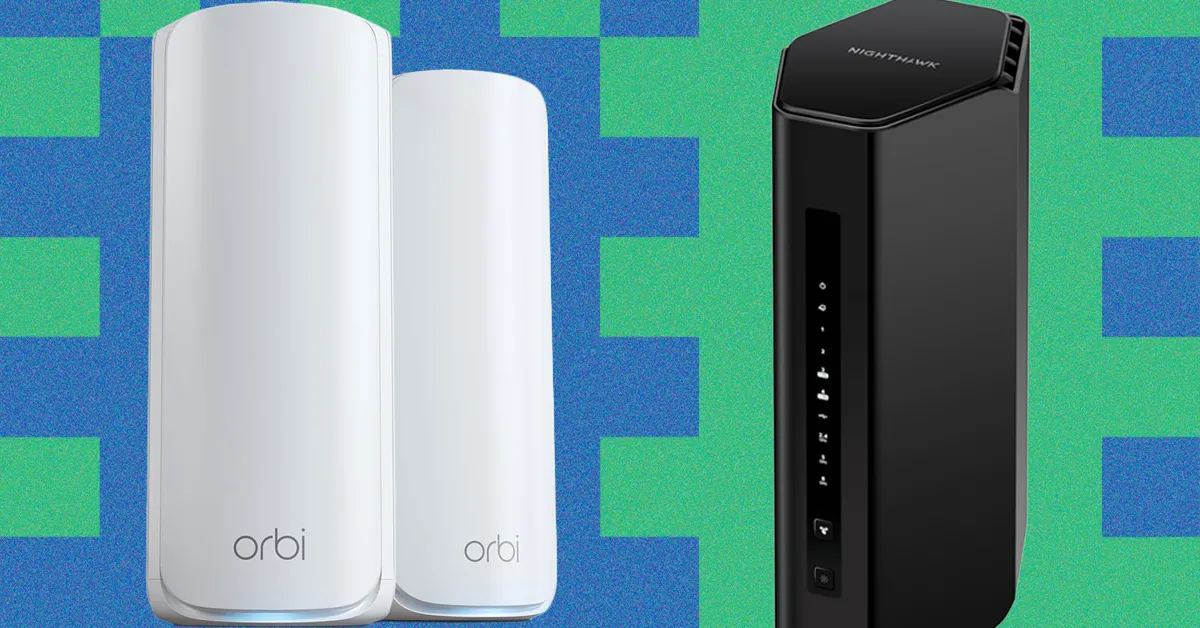
WIRED published an updated consumer guide on 31 May 2026 that re-evaluates the trade-offs between single Wi-Fi routers and mesh systems for home networks. The publication advises that a single router is sufficient for modern homes under 2,500 square feet (approximately 232 square metres), particularly those constructed with timber frames and drywall. Conversely, mesh systems are recommended for properties of 3,000 square feet (approximately 279 square metres) or above, or those featuring thick walls that interfere with signal propagation.
The guide notes that while mesh systems offer superior coverage for large or complex layouts, they introduce additional complexity and potential connectivity issues with smart home devices. In testing within a 1,600-square-foot modern home, single routers generally outperformed mesh systems in terms of speed and stability. However, the author found mesh systems essential when moving to an older Victorian house with thick stone walls, where a single router struggled to provide signal to the front upstairs room and garden.
Alternatives such as Ethernet backhaul, powerline adapters, and MoCA adapters are discussed as methods to enhance network stability. Wired connections are concluded to provide the most reliable performance. Powerline adapters are noted to have inconsistent results, with realistic speeds often between 50 and 100 Mbps, making them suitable for streaming but potentially problematic for gaming due to latency spikes. MoCA 2.5 adapters using coaxial cables can support speeds up to 2.5 Gbps.
The guide discourages the use of Wi-Fi extenders, stating they perform poorly compared to upgrading to a mesh system or a better single router. It also highlights Wi-Fi EasyMesh as an open standard adopted by some TP-Link and Netgear devices, alongside proprietary systems like Asus AiMesh and Ubiquiti UniFi. The author suggests that homeowners on the fence should opt for equipment that can be expanded into a mesh later if coverage proves insufficient.
Every home is different, and factors such as construction, local interference, and device count impact performance. The guide acknowledges that the "best" option varies by individual circumstance, but concludes that wired connections provide the most stable performance overall. For those requiring seamless handoff and limited interference, a properly configured mesh system with wired backhaul remains the gold standard for large or obstructed environments.
