Wired Trial: Pepper EMS Suit Yields Muscle Gains but Fails to Shrink Waistline
A WIRED reporter’s trial of the $1,400 Pepper EMS body suit resulted in 2.7 pounds of muscle gain and 1.6 pounds of fat loss, though waist measurements remained unchanged and hardware issues persisted.
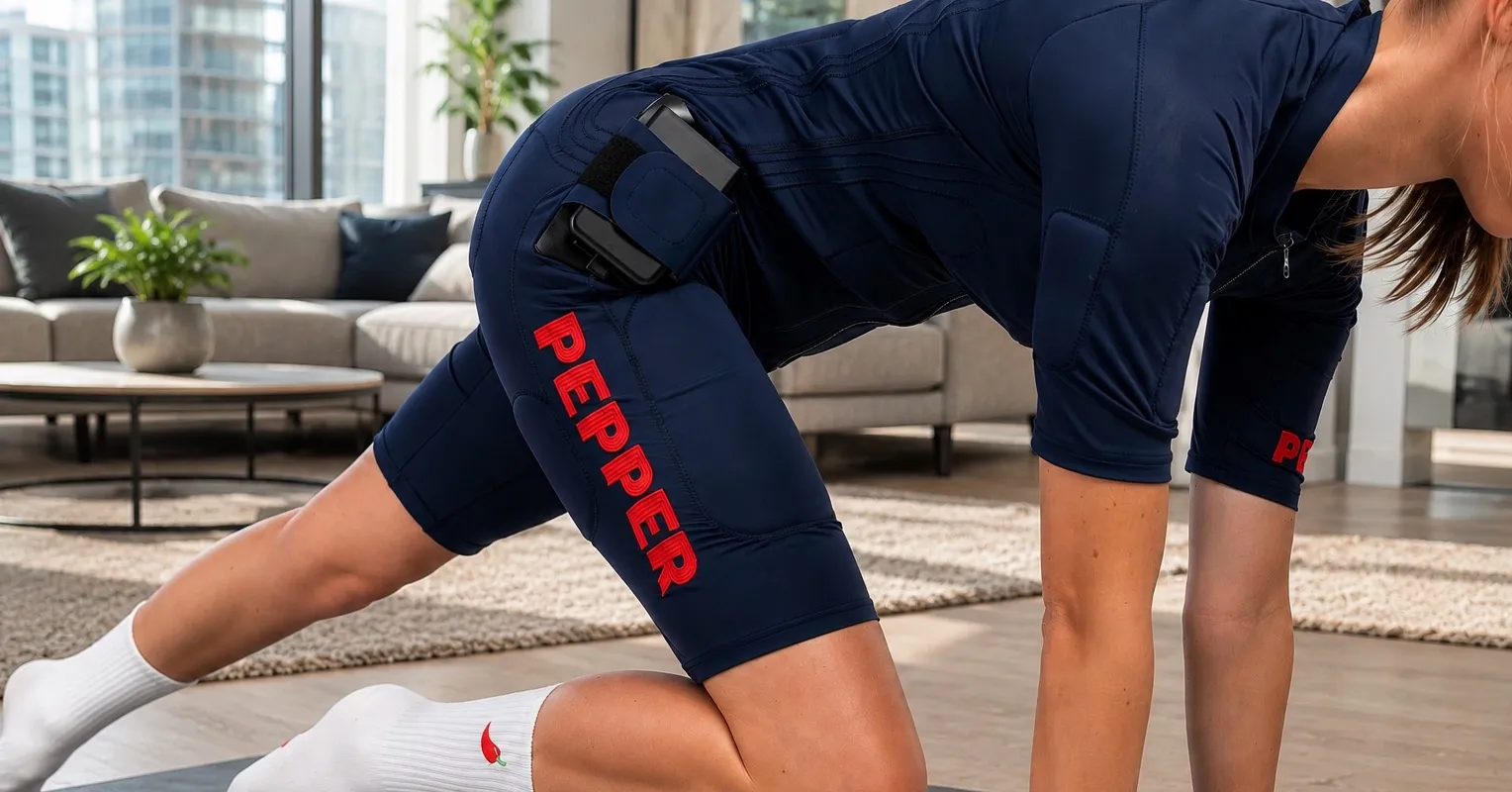
A two-month trial of the Pepper electrical muscle stimulation (EMS) body suit, conducted by a WIRED reporter, has produced measurable physiological changes, including a 2.7-pound increase in muscle mass and a 1.6-pound reduction in body fat. The test, which involved over nine hours of EMS sessions across three weekly workouts, aligns with existing research suggesting EMS can enhance muscle tone and strength when used alongside traditional training. However, the trial also underscored the technology’s limitations, particularly its inability to reduce waistline measurements, and exposed significant technical flaws in the consumer hardware.
The Pepper suit, priced at $1,400, positions itself as the most affordable option in a consumer market that includes competitors such as Apeborn, whose suits cost up to $4,000. The device features 20 dry electrodes covering the abs, pecs, glutes, thighs, biceps, and back. Unlike older EMS gear, it does not require wetting the electrodes before use, though the reporter noted that sweat significantly increased electrical conductivity, causing shock intensity to spike unpredictably during sessions. Power settings typically ranged between 20 and 40 on a 100-point scale, with the reporter adjusting levels to manage discomfort as sweat accumulated.
Medical experts interviewed for the report generally characterised EMS as a complementary tool rather than a replacement for standard exercise. While some physicians argued that EMS offers limited value for healthy individuals compared to traditional movement, others, including NFL team doctor Ethan Kellum, noted its utility in improving neuromuscular communication. The consensus, echoed by physical therapy professor Joseph R. Hribick, is that EMS should supplement, not supplant, resistance training. The trial was designed to mimic a 2023 meta-study, requiring the reporter to maintain their regular cardio and strength-training regimen alongside the EMS sessions.
Despite the physiological gains, the trial was marred by hardware and software failures. The reporter experienced glitches in the Pepper app that failed to record workouts, as well as a hardware defect where an electrical connector snapped off on a newer suit model. Additionally, the battery pack of a third suit disconnected from the app on two occasions, aborting sessions. These technical issues interrupted the data collection process, although the reporter managed to accumulate 24,000 Pepper points and burn over 11,000 calories across the duration of the experiment.
The final metrics showed improved strength, with the reporter able to add weight or repetitions to resistance exercises, and increased circumference in the biceps, thighs, and chest. However, waistline measurements did not change, confirming the reporter’s observation that abdominal fat remained impervious to the electrical stimulation. While the results support the efficacy of EMS for muscle mass and strength, the trial highlights that the technology is not a standalone solution for body composition changes and remains susceptible to consumer-grade technical instability.