WIRED: Scientific Measurement Boils Down to Two Fundamental Techniques
A recent publication argues that despite the complexity of modern scientific tools, the underlying mechanics of data gathering remain rooted in ancient practices.
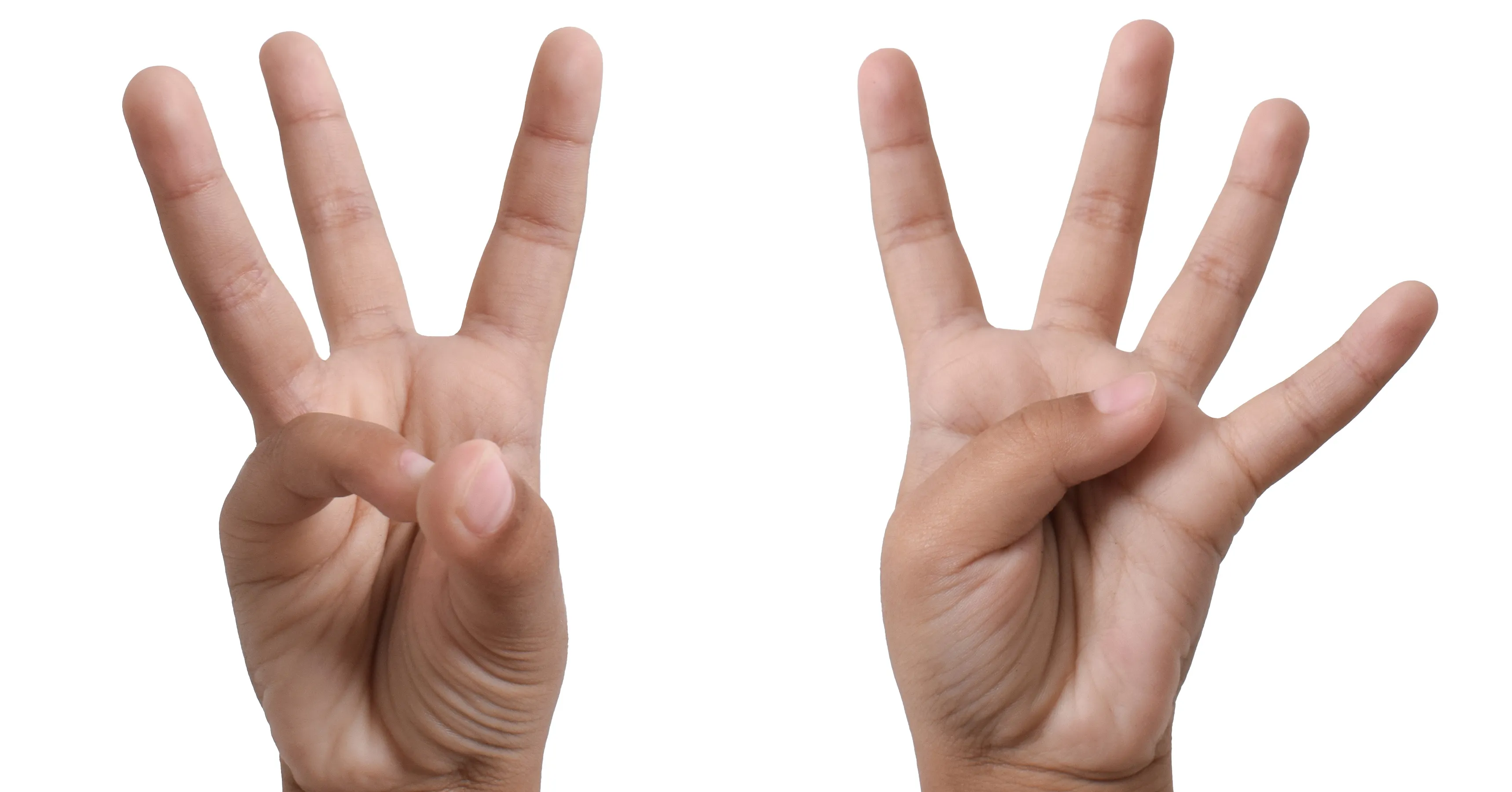
A WIRED article published on 22 May 2026 posits that all scientific measurement devices, regardless of their complexity, ultimately rely on two fundamental techniques: comparison and counting. The piece argues that analog instruments typically measure by comparing physical quantities, such as length or force, while digital instruments operate by counting discrete values. This framework suggests that the vast array of modern laboratory equipment, from sphygmomanometers to spectrophotofluorometers, functions on principles unchanged since antiquity.
The article illustrates that analog instruments typically measure by comparing physical quantities, such as length or force, while digital instruments operate by counting discrete values. It cites the 1958 measurement of a bridge over the Charles River by MIT undergraduates using the height of Oliver Smoot as an example of comparison-based measurement. The piece distinguishes between mass and weight, noting that balance scales measure mass via comparison, whereas spring scales measure gravitational force.
The concept of measurement dates back millennia, with historical examples including Noah’s ark built using cubits and ancient Greek sundials. Oliver Smoot later became head of the American National Standards Institute and the International Organization for Standardization; his height was revised in 2015 based on photographic evidence. The article references the ideal gas law to illustrate the relationship between modelling and measuring in science.
The term 'digital' is clarified as referring to discrete values rather than solely electronic systems, with mechanical timers cited as early digital devices. It explains that digital measurement involves discrete values, illustrated through a rudimentary voltmeter example using LEDs and resistors. The piece argues that even electronic systems are digital because information is represented by discrete binary digits.
The article’s claim that all scientific measurement devices boil down to counting or comparing is a theoretical simplification. The specific date of the article appears in the source and digest but is in the future relative to the current date, suggesting a potential error in the source metadata or a hypothetical scenario. The rudimentary voltmeter example is presented as a simplified demonstration of the underlying counting principle.
