WIRED Reviews Top Sunscreens for Summer and Winter Activities
Experts emphasise that while higher SPF offers marginal protection gains, broad-spectrum coverage remains essential for preventing skin cancer and premature aging.
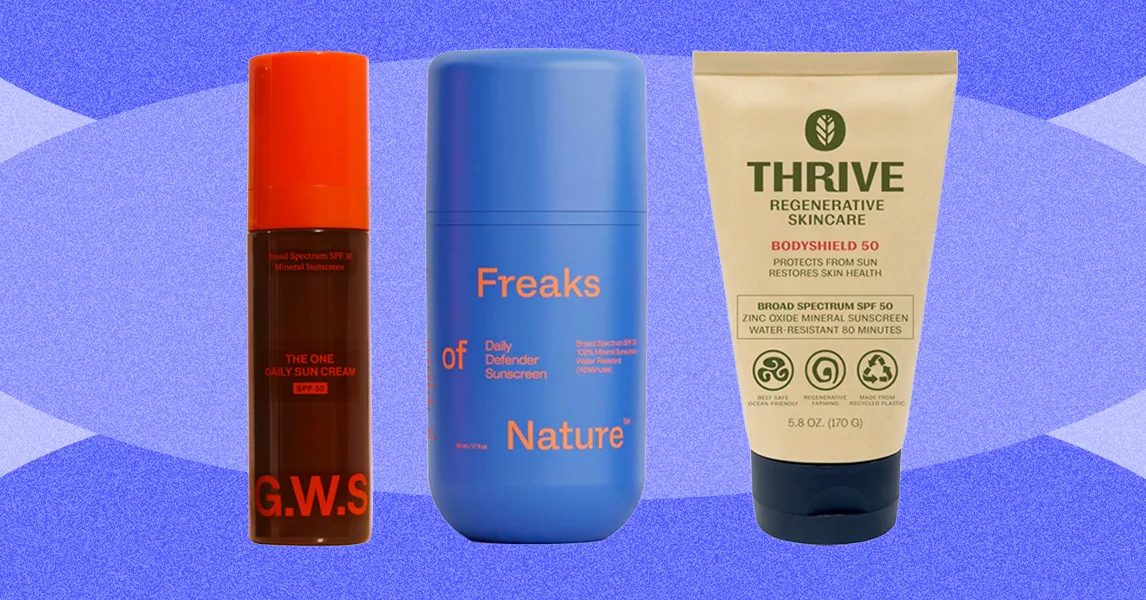
WIRED has completed a comprehensive testing regimen of 36 sunscreen products, evaluating them across diverse conditions including summer hikes, spring ski days, and beach outings. The review identifies top performers from brands such as Blue Lizard, Good Weather Skin, Thrive Regenerative Skincare, Kelly Slater, Banana Boat, La Roche-Posay, Tubby Todd, Neutrogena, and All Good. The assessment distinguishes between mineral and chemical formulations, noting specific trade-offs regarding texture, white cast, and suitability for sensitive skin versus sweaty activities.
Dermatological experts emphasise that while increasing SPF provides only marginal protection gains, broad-spectrum coverage is critical for preventing skin cancer and premature aging. According to board-certified dermatologist Ellen Marmur, the difference in percentage of protection between SPF 30 and SPF 100 is quite small, with the former blocking 97 percent of UVB radiation and the latter boosting that figure to 98 percent. Consequently, the publication recommends using sunscreen with at least SPF 30, noting that the benefits of wearing it significantly outweigh the risks associated with common ingredients.
The assessment distinguishes between formulation types, with mineral sunscreens recommended for individuals with sensitive skin and those concerned about reef safety. Mineral formulations create a physical barrier that sits on top of the skin and reflects UV rays away, making them gentler and less likely to cause irritation. However, they often leave a white cast and tend to feel thicker and heavier than their chemical counterparts.
Chemical sunscreens, on the other hand, contain ingredients that sink into the skin and absorb UV rays, converting them to heat to be released by the body. These options generally perform better during high-sweat activities and do not leave a cast, feeling lighter on the skin. The downside noted by experts is that certain ingredients in chemical sunscreens can cause skin irritation for some individuals, though the publication highlights that none of the top picks contain oxybenzone, octinoxate, or retinyl palmitate.
Among the top picks, Blue Lizard's Mineral Sunscreen was favoured for its feel and minimal white cast, holding up well against sweat during summer hikes. Good Weather Skin's The One Daily Sun Cream was praised for leaving no white cast while packing healthy skin-promoting ingredients like squalane and niacinamide. Thrive Regenerative Skincare offered a rich, moisturizing texture suitable for snowboarding, while Kelly Slater's mineral-based line provided a clean, performance-oriented option for those who sweat constantly.
Other notable recommendations included Banana Boat's Light as Air iteration for its non-greasy absorption, La Roche-Posay's Anthelios tinted sunscreen for its matte finish and proprietary technology, and Tubby Todd's gentle mineral formula for children. For those seeking convenience, Neutrogena's Ultra Sheer Face Stick and All Good's tinted mineral sunscreen were highlighted for their ease of application and ability to replace foundation for some users.
The review concludes that while terms like reef-safe and reef-friendly are not regulated designations, mineral sunscreens are generally considered less damaging to coral ecosystems than chemical ones. Ultimately, the publication advises readers to prioritise broad-spectrum coverage against both UVA and UVB rays, noting that good SPF habits act as insurance against expensive laser treatments or surgery resulting from sun damage.
