WIRED Review: Samsung Galaxy Z Fold8 Offers Superior Ergonomics Over Ultra Model
Despite a less advanced camera system and shorter battery life, the reviewer finds the standard Galaxy Z Fold8 to be the more practical daily driver compared to the taller, slimmer Ultra variant.
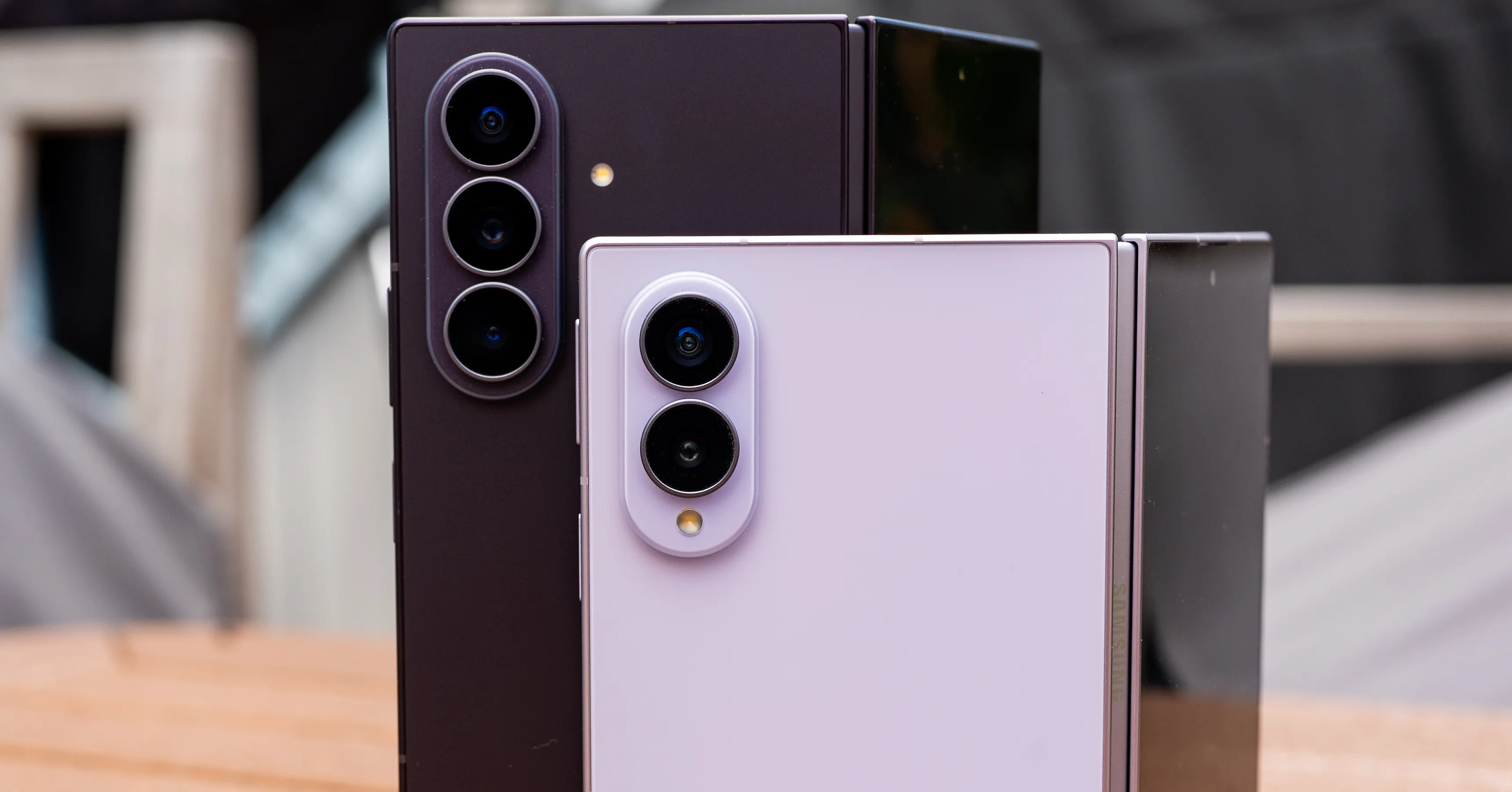
WIRED has published a comparative review of Samsung’s latest folding smartphones, concluding that the standard Galaxy Z Fold8 provides a superior user experience to the taller, slimmer Galaxy Z Fold8 Ultra. The analysis suggests that after nearly a decade of iterative design, Samsung has finally settled on proportions that prioritise usability over traditional form factors, with the Fold8’s shorter, wider shape proving more comfortable for daily interaction.
The reviewer spent several weeks testing both devices and found themselves consistently preferring the Fold8. The primary advantage lies in the device’s ergonomics and hinge mechanism. The Fold8 features an easier-to-open hinge, which reduces the friction often associated with folding phones. In contrast, the Ultra’s taller, narrower profile requires a more deliberate grip and effort to open, creating a barrier to frequent use that the reviewer found distracting.
While the Ultra boasts a more sophisticated camera system, including a 200-megapixel main sensor and a 10-megapixel 3X optical zoom lens, the Fold8’s 50-megapixel primary sensor and 50-megapixel ultrawide lens deliver competent results. The Fold8 lacks optical zoom, a limitation noted as frustrating for photography enthusiasts, but the standard model still handles exposure and detail adequately in most lighting conditions.
Both devices are powered by the Qualcomm Snapdragon 8 Elite Gen 5 processor and utilise silicon-carbon battery technology, ensuring identical performance benchmarks. However, battery endurance differs due to cell capacity. The Ultra contains a larger 5,000-mAh battery compared to the Fold8’s 4,800-mAh unit, resulting in stronger battery life for the premium model. The reviewer recorded over six hours of screen-on time for the Ultra, compared to five to six hours for the Fold8.
The physical design of the Fold8 also addresses previous criticisms regarding the display crease, which appears less obvious and feels smoother to the touch than on prior Samsung models. However, both devices share a design flaw where the protruding camera module causes the phones to rock when placed on flat surfaces. The Fold8 is priced $200 lower than the Ultra, positioning both devices at approximately $2,000, a significant investment in the current economic climate.
Ultimately, the review positions the Fold8 as the more viable mainstream option. Its wider 7.6-inch inner screen offers a more comfortable split-screen layout with better breathing room for apps, and its 5.5-inch outer screen utilises a 10:16 aspect ratio that minimises letterboxing. The reviewer argues that the Fold8’s balance of form and function makes it the true tablet-phone hybrid that Samsung’s folding lineup has been missing.