WIRED Review: Pedal Electric H/T Combines Chopper Aesthetics With Class 3 Performance
The 60-pound electric bicycle offers a low-slung frame, 750-watt motor, and 28 mph top speed, though inconsistent pedal assist and lack of rear suspension present trade-offs for riders.
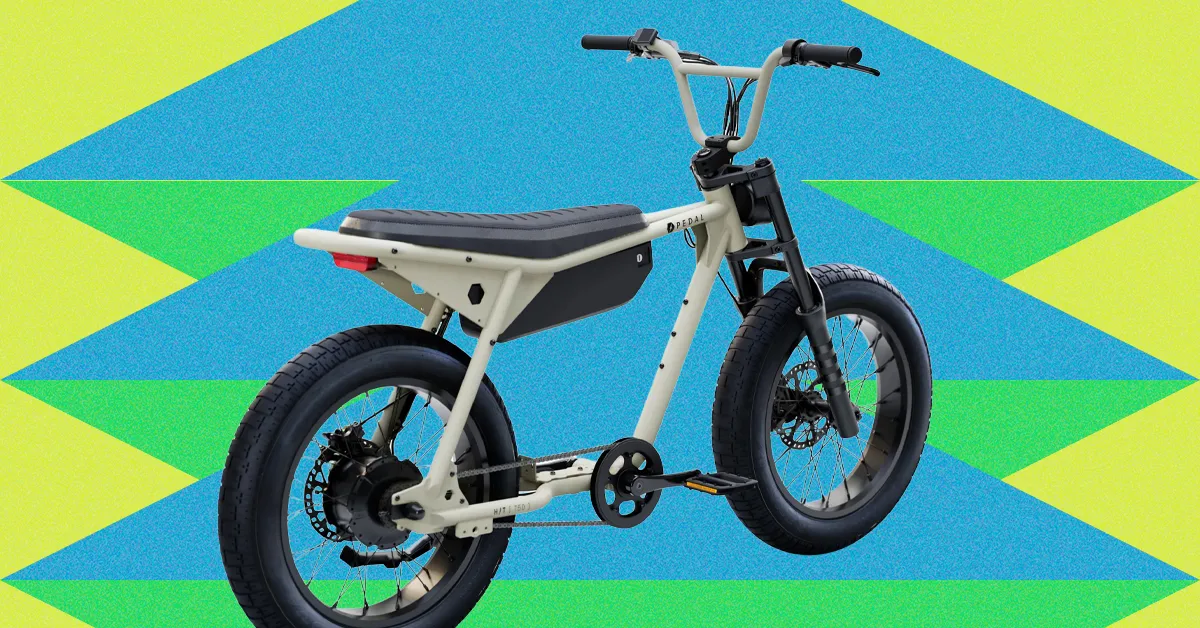
WIRED has published a detailed evaluation of the Pedal Electric H/T, positioning the model as a distinctive entry in the electric bicycle market that prioritises style alongside performance. The review highlights the bike’s low-slung, chopper-style frame constructed from aircraft-grade aluminium, a design choice that distinguishes it from the bulkier, more utilitarian aesthetics common in the sector. Weighing just 60 pounds (27 kg), the H/T is described as one of the lighter options available, yet it retains the structural integrity to carry loads of up to 350 pounds.
At the core of the H/T’s performance is a 750-watt rear motor capable of delivering rapid acceleration. In its default Class 2 configuration, the bike reaches a top speed of 20 mph (32 km/h) in under three seconds. For users willing to sign a waiver acknowledging off-road safety risks, the H/T can be unlocked into Class 3 mode, raising the top speed to 28 mph (45 km/h). The review notes that handling remains nimble and controlled even at these higher velocities, with the frame geometry providing a comfortable, upright riding position suitable for various rider heights.
Range performance is closely tied to usage patterns and assist levels. The manufacturer states a maximum range of 60 miles (97 km), but this figure is achieved only when utilising the minimum pedal-assist setting. Real-world testing indicates that maintaining speeds under 20 mph via throttle yields approximately 40 miles, while cruising at the Class 3 top speed of 28 mph reduces that range to roughly 20 miles per charge. A full battery recharge takes approximately six hours.
The review identifies specific mechanical and software limitations that may deter certain buyers. The pedal-assist system, which offers five levels of support, was criticised for inconsistent response at higher settings, with levels 4 and 5 described as jerky and potentially destabilising. Additionally, while the bike features adjustable front suspension, it lacks rear suspension, which may result in a harsher ride on unpaved or uneven surfaces. The absence of a mandatory mobile application was noted as a positive feature, allowing for a more intuitive user experience via a handlebar-mounted screen equipped with a personal passcode and USB-C port.
Priced at a base of $2,195, the H/T is positioned as a premium option within the consumer market. The review suggests that while the bike excels as a fun, stylish cruiser for urban errands or casual riding, the inconsistent pedal assist and lack of rear suspension may limit its appeal for those seeking a traditional cycling experience or long-distance off-road capability. Optional accessories, including a dual battery system that adds 40 miles of range for $850, allow for further customisation of the bike’s utility.
