WIRED review identifies Chessnut and Millennium as top smart chess boards for 2026
The Millennium Supreme T2 and Chessnut Pro lead the field, while plastic-built alternatives face criticism for durability and performance issues.
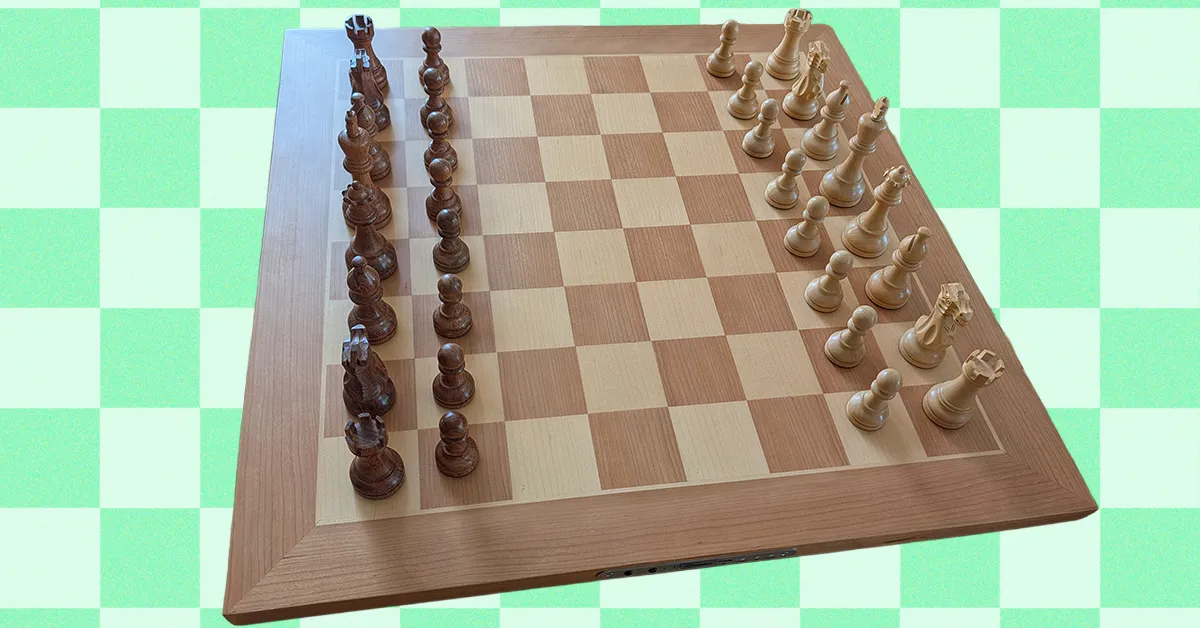
WIRED published a comprehensive review of smart chess boards on 11 June 2026, evaluating models from Chessnut, Millennium, Particula, and ChessUp. The publication prioritised wooden construction and seamless online connectivity via Chess.com and Lichess.org, identifying the Chessnut Pro and Millennium Supreme T2 as the top performers. While both boards offer tournament-size dimensions and robust build quality, the Millennium Supreme T2 was noted for superior responsiveness and battery life compared to the Chessnut Pro.
The Chessnut Pro, priced at a premium tier, features a 55 cm beechwood board with subtle red LEDs and Bluetooth or USB-C connectivity. It utilises the Chessconnect Chrome browser extension for online play, though the reviewer noted occasional lag and the need to manually reconnect for some games. Battery life was recorded at seven to eight hours, requiring overnight recharging. More affordable wooden alternatives, the Chessnut Air ($250) and Air+ ($400), offer similar functionality in smaller formats or with enhanced piece weighting.
The Millennium Supreme T2 emerged as a strong competitor, offering a heavier, tournament-grade wooden board with visibly larger pieces. It demonstrated slightly less lag than the Chessnut Pro and maintained connectivity between games, with a battery life of approximately 15 hours. The review also tested the Millennium Supreme Tournament All-in-One Set, which includes the ChessClassics Element chess computer. While functional, this model was described as glitchy, with a dated mix of wood and plastic materials.
Models featuring integrated screens and plastic construction received mixed to negative feedback. The Chessnut Evo ($630) was criticised for its reliance on manufacturer updates and inferior in-person playability due to plastic pieces. Similarly, the ChessUp 2 ($400) suffered durability issues during testing, with the reviewer reporting that the board’s top came loose after a fall, rendering it unable to register pieces. The Particula Harry Potter GoChess ($350) was also critiqued for lacking individual piece recognition and feeling cheap, despite its sculpted design and built-in bot.
The assessment highlights a clear divide in the smart chess market between traditional wooden boards with digital connectivity and all-in-one plastic devices. WIRED concluded that while online integration is a key feature, the tactile quality and durability of the hardware remain critical for serious players. The review underscores the importance of third-party platform compatibility, as reliance on proprietary software and screens may limit long-term usability and update support.
