WIRED Review: Dell XPS 13 Challenges MacBook Neo, But Only in 16GB Form
A recent WIRED assessment positions the Dell XPS 13 as a direct rival to Apple’s MacBook Neo, highlighting a critical performance divide between its base 8GB and recommended 16GB configurations.
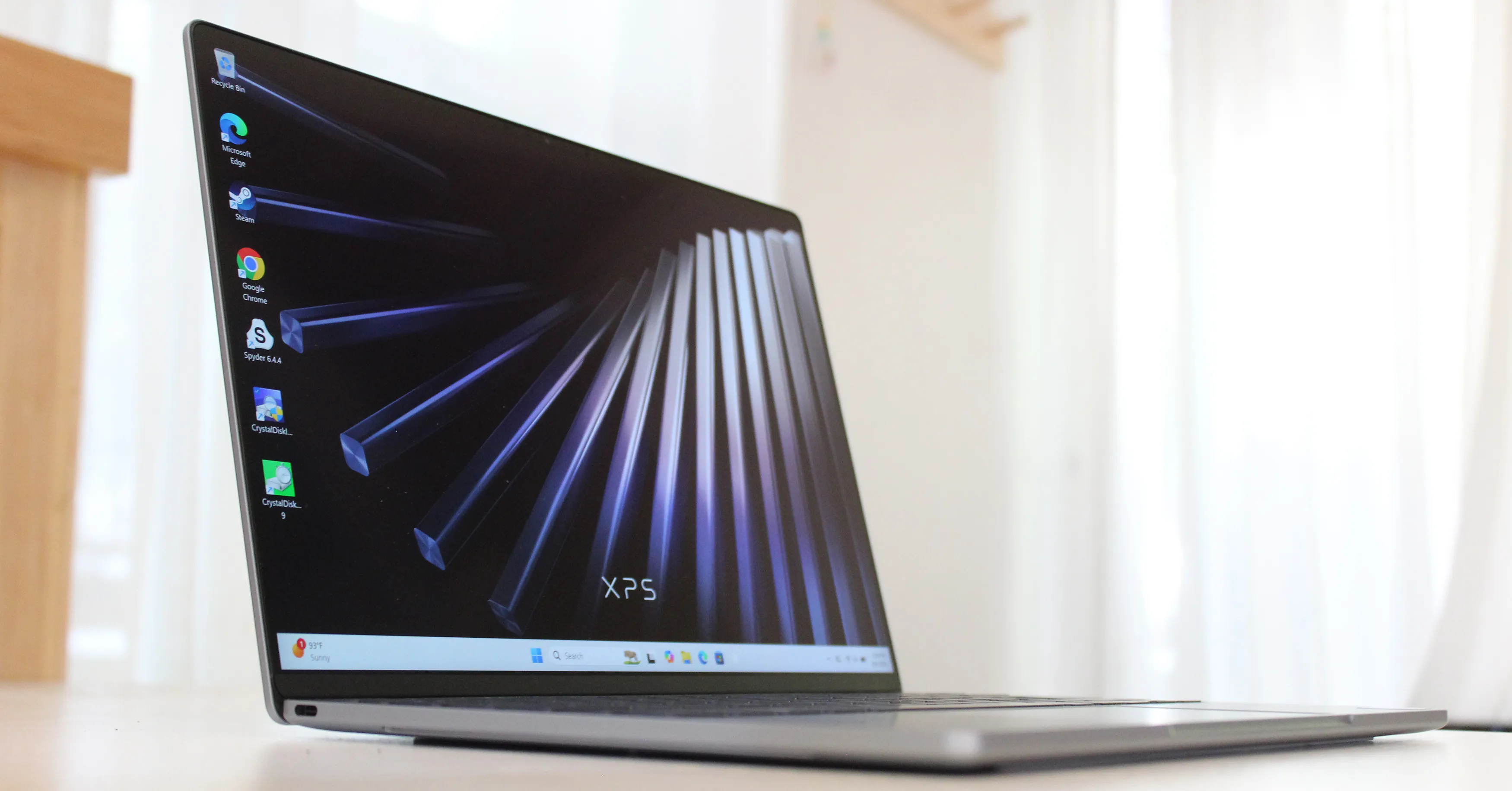
WIRED has published a comprehensive review of the new Dell XPS 13, framing the device as a direct competitor to the MacBook Neo. The publication notes that while the Windows laptop draws significant inspiration from Apple’s design philosophy and processor choices, it distinguishes itself through build quality and display specifications. The review suggests that Dell has successfully translated the premium feel of higher-end machines into a more accessible price bracket, creating a device that challenges established norms for budget-conscious consumers.
The base model, priced at $700, utilises an Intel Core 5 320 processor from the Wildcat Lake line, paired with 8GB of RAM and a 512GB SSD. While the chip offers respectable multicore performance, the reviewer identifies the 8GB memory configuration as a significant bottleneck. Testing revealed that Windows 11 background processes consume over 80% of the available memory at idle, leading to sluggish performance when multitasking. The review advises against this configuration for daily use, noting that opening just ten browser tabs can push memory usage to near capacity, resulting in noticeable lag.
In contrast, the $900 model, which upgrades the RAM to 16GB, receives strong endorsement. WIRED describes this variant as potentially the best laptop available under $1,000, citing a substantial improvement in responsiveness and overall utility. The reviewer argues that the $200 price increase is justified, transforming the device from a disappointing entry-level option into a compelling product that competes effectively with more expensive alternatives in the market.
Hardware specifications remain consistent across both tiers, featuring a 2560 x 1600-resolution touch display with a 120Hz refresh rate, a glass trackpad, and dual USB-C ports supporting 4K output. The chassis is constructed from aluminium with minimal flex, measuring half an inch thick. Battery life was tested at 15 hours during local video playback, falling slightly short of the MacBook Neo’s endurance but remaining sufficient for all-day productivity.
The review concludes that while the MacBook Neo handles similar multitasking loads with less friction despite its own memory limitations, the 16GB XPS 13 offers superior value in nearly every measurable aspect. By avoiding the compromises found in other Windows laptops under $1,000, such as those from Lenovo, HP, and Asus, the XPS 13 16GB model emerges as a standout option for consumers seeking a premium, portable computing experience without exceeding the four-figure price threshold.