WIRED investigation links Active Club network to Belfast riots
A global neo-Nazi network is accused of orchestrating anti-immigrant unrest in Northern Ireland through tactical social media coordination, following a knife attack that sparked widespread violence.
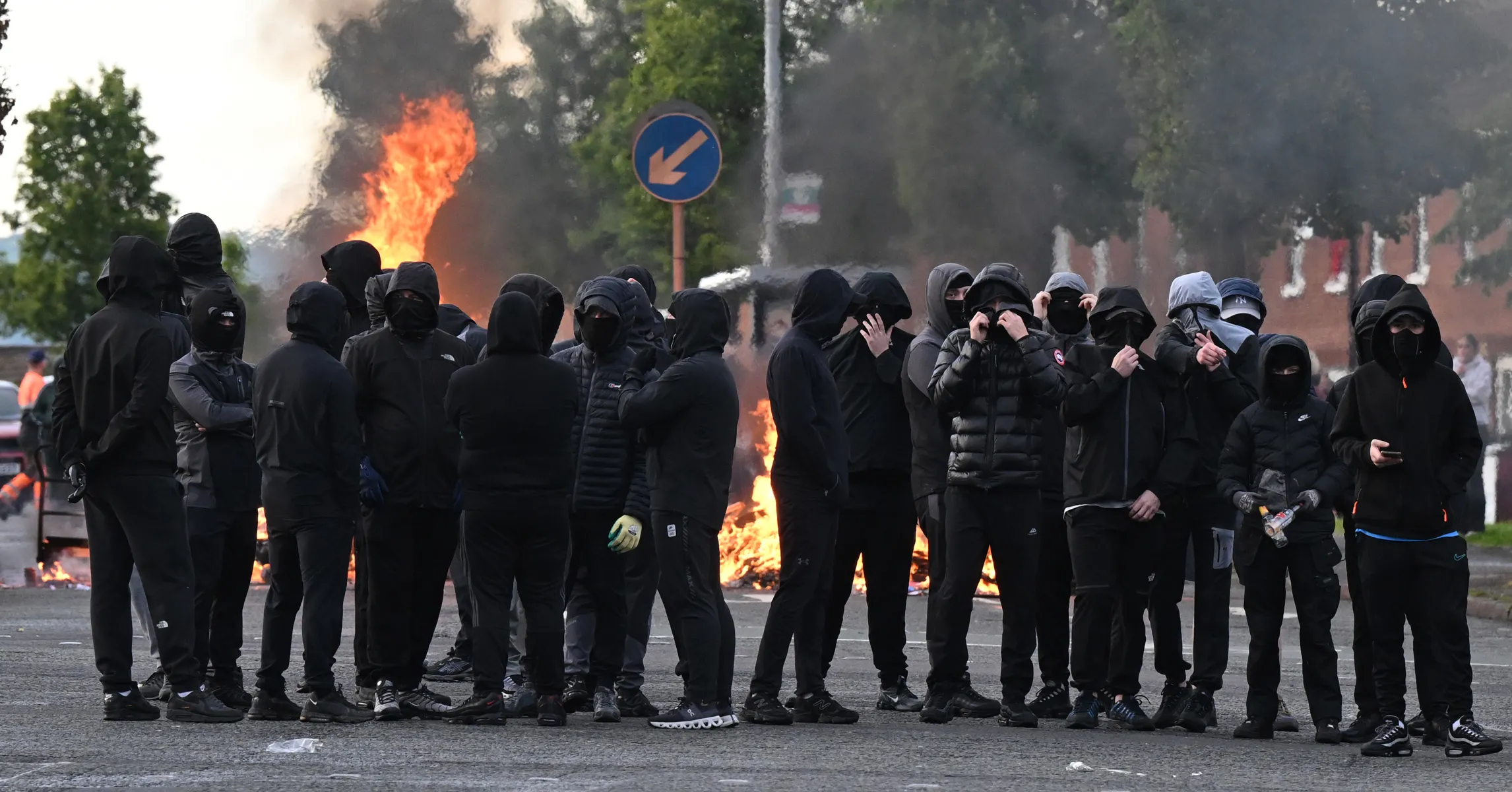
A WIRED investigation has identified the Active Club movement and its Youth Club wing as central figures in the orchestration of anti-immigrant riots in Belfast, Northern Ireland. The report details how the network utilised social media platforms to mobilise masked protesters, provide tactical advice on maintaining anonymity, and frame the violence as a necessary response to alleged migrant threats. The unrest erupted following a knife attack on Stephen Ogilvie, which far-right figures including Tommy Robinson and Elon Musk amplified online, contributing to the rapid escalation of tensions.
The investigation outlines a coordinated digital campaign that began within hours of the incident. Following the attack, Robinson shared video footage on X, which garnered millions of views, while Musk engaged with posts calling for political consequences. Concurrently, the Active Club network activated its infrastructure, with the Ulster Youth Club providing specific instructions via Telegram to protect participants’ identities. Advisories included wearing masks, gloves, and nondescript clothing, while avoiding smartphones and smartwatches to ensure operational security.
Rhetoric employed by the group echoed white supremacist ideologies, with channels such as “White Youth In Revolt” framing the incident as an attack by a “Negro invader.” Will2Rise, a newsletter founded by Robert Rundo, who also established the Active Club network, published explicitly racist content calling for “remigration” and increased tribal-mindedness. The group’s messaging encouraged participants to “fight back” and presented the protests as a defence of white youth, utilising slogans familiar to extremist movements globally.
On the ground, the tactics advised online were visibly implemented by rioters. Videos captured groups of masked men, dressed in accordance with the Ulster Youth Club’s guidance, setting fire to vehicles and homes, kicking in doors, and blocking firefighters. The network’s internal policing was evident, with reports of participants conducting phone searches to delete footage that could lead to identification. The suspect in the attack, Hadi Alodid, a 30-year-old Sudanese man, was charged with attempted murder, although police initially misidentified him as Somali before correcting the record.
Post-riot analysis by Active Club members characterised the Belfast protests as a “successful model” for future actions. Comparing the events to previous disturbances in Southampton, the network praised the “organisation and professionalism” of the participants, noting their tight ranks and adherence to security protocols. Wendy Via of the Global Project Against Hate and Extremism described Active Clubs as the fastest-growing neo-Nazi movement globally, stating that the group exploited the tragedy to encourage replication of the tactics in other countries.
