WIRED guide clarifies modem and router roles for home network upgrades
A new editorial from WIRED outlines the distinct purposes of modems and routers, advising consumers to consider purchasing separate devices over ISP-provided gateways for better performance.
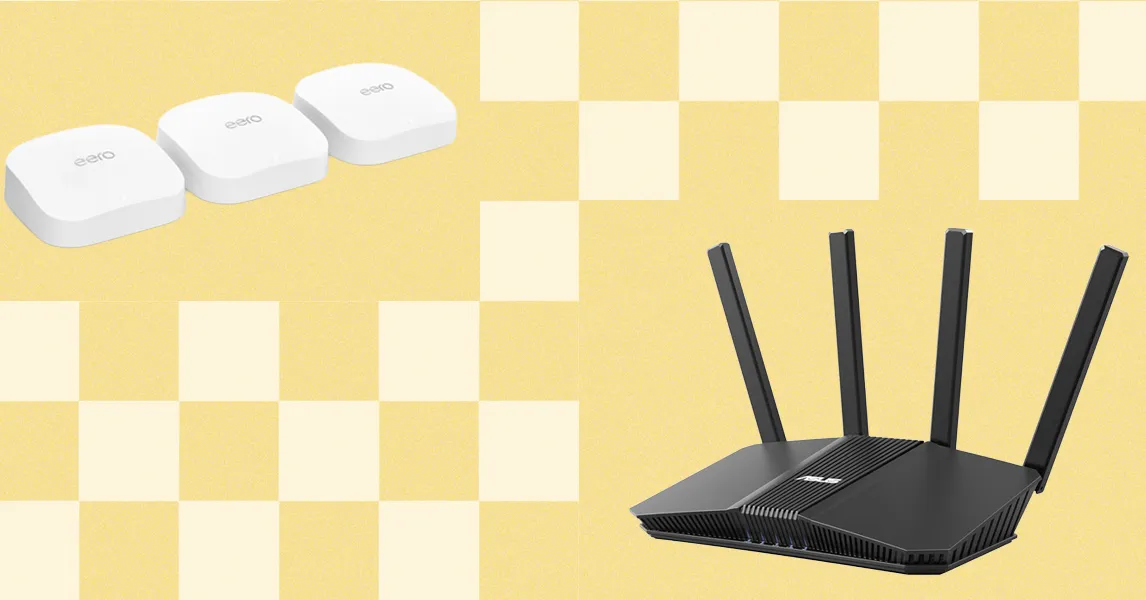
WIRED has published a comprehensive guide titled "Routers vs. Modems: What You Need to Get Online," detailing the specific functions of networking hardware in residential internet setups. The article distinguishes the modem as the translator between the home network and the Internet Service Provider (ISP), while the router is responsible for distributing that traffic to devices via Wi-Fi or Ethernet.
The guide notes that while ISPs frequently provide combined gateway devices, purchasing separate, high-quality modems and routers can enhance performance, stability, and security. Standalone modems are typically smaller than routers and feature specific physical connectors, such as RJ11 for phone lines, coaxial connections for cable, or thin cables for optical fibre modems known as Optical Network Terminals (ONT).
WIRED advises that although an ISP’s modem may suffice, their routers are often subpar. Buying a separate router is a common method to improve Wi-Fi speed and reduce latency. The latest Wi-Fi 7 standard is highlighted for offering significant enhancements over previous versions, particularly for users seeking greater stability and security.
For users with ISP gateways who wish to upgrade their router, the guide recommends enabling 'bridge mode' on the gateway to avoid double network address translation (NAT). This configuration allows the gateway to act solely as a modem, letting the new router handle traffic distribution. The article also suggests that mesh systems may be preferable for larger homes or those with significant interference issues.
Consumers are urged to check ISP compatibility before buying third-party equipment, as not all modems will work with every provider. While modems can range from $50 to over $300, the guide notes that most users can find adequate performance in models costing under $100. Brands such as Asus, Netgear, Arris, and Draytek are mentioned as options for those shopping for new hardware.
