WIRED contributor finds monotub kits most reliable for home mushroom cultivation
While boxed kits and monotub chambers delivered consistent harvests, inoculated logs and wood chip beds failed due to contamination and pests, according to testing by WIRED.
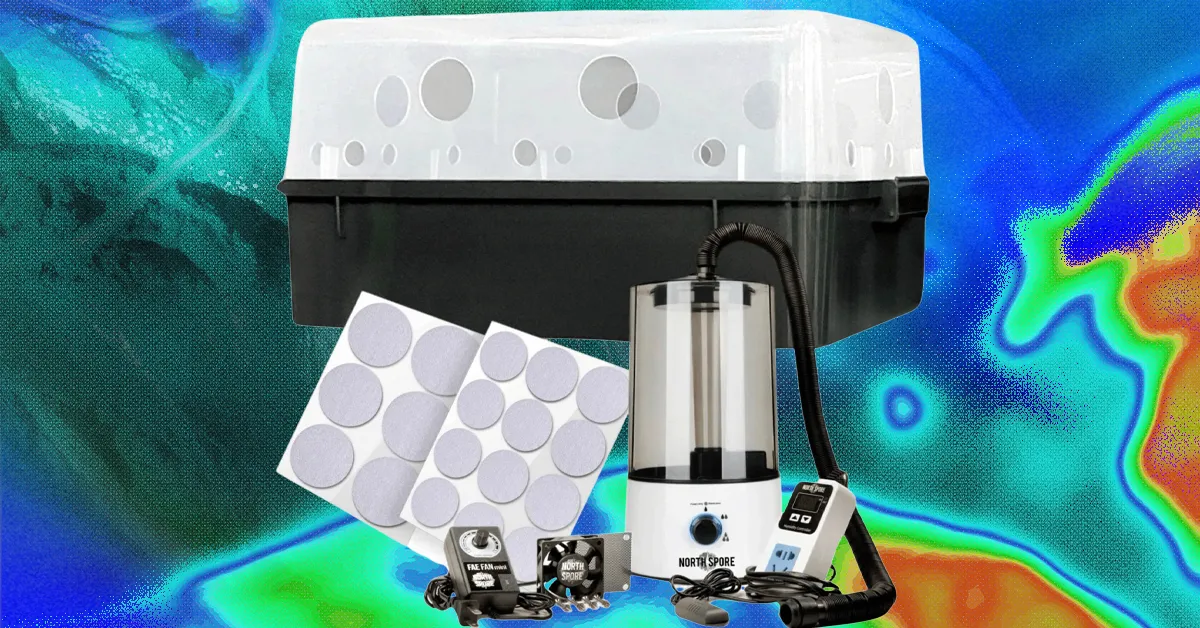
A WIRED contributor has concluded a year-long experiment evaluating five distinct methods for home mushroom cultivation, identifying monotub chambers and boxed kits as the only reliable options for consistent yields. The trial, undertaken by a full-time working parent, tested inoculated logs, boxed kits, wood chip beds, monotub chambers, and bucket techniques, revealing that success in mycology depends heavily on environmental control and pest management.
The monotub fruiting chamber emerged as the most effective setup, with the contributor successfully harvesting four rounds of pink, blue, and yellow oyster mushrooms, alongside three rounds of lion’s mane, using fruiting blocks in a North Spore Boomr Bin. This plastic bin system, which utilises a humidifier, humidistat, and air filters to maintain optimal conditions, required minimal maintenance beyond ensuring the humidifier remained filled and properly angled.
Boxed kits also proved dependable for beginners, with Back to the Roots and North Spore products delivering bumper crops with little effort. While dehydrated blocks required soaking, fresh blocks from North Spore produced multiple flushes without rehydration. However, the contributor noted that the moisture in fresh blocks attracted fungus gnats, a pest issue that was difficult to treat once fruiting had begun, despite recommendations to use a mixture of dish soap, vinegar, and baking soda.
Conversely, three methods failed or were significantly hindered. A 12-inch shiitake log from Williams Sonoma, intended for indoor display, developed green mould and failed to produce fruiting pins despite being soaked in mid-May and early July. The log, tagged with a December 2025 creation date, was expected to colonise within seven to nine months, but the contributor noted this was not their first failure with this product type.
Other outdoor attempts were thwarted by biological factors. Wine cap and morel spawn mixed into wood chips were largely unsuccessful after squirrels dug up and consumed the spawn, although the contributor did harvest a couple of non-edible Leratiomyces ceres, or chip cherry mushrooms. Similarly, the "bucket tek" method using a North Spore MushBucket resulted in mould contamination, which the contributor attributed to insufficient pasteurisation of the straw when opting for a cold soak over boiling.
The findings suggest that while home mushroom growing is accessible, it requires precise control over humidity, temperature, and substrate preparation. For those seeking to avoid the complexities of contamination and pest interference, the monotub and boxed kit methods offer the most viable path to a successful harvest.
