WIRED: 2027 and 2028 eclipses set to extend Europe’s ‘golden age’ of totality
The 2027 total eclipse, dubbed the ‘eclipse of the century’, will offer six minutes of totality across Spain and North Africa, while the 2028 annular event promises a ten-minute ‘ring of fire’ in Brazil and Iberia.
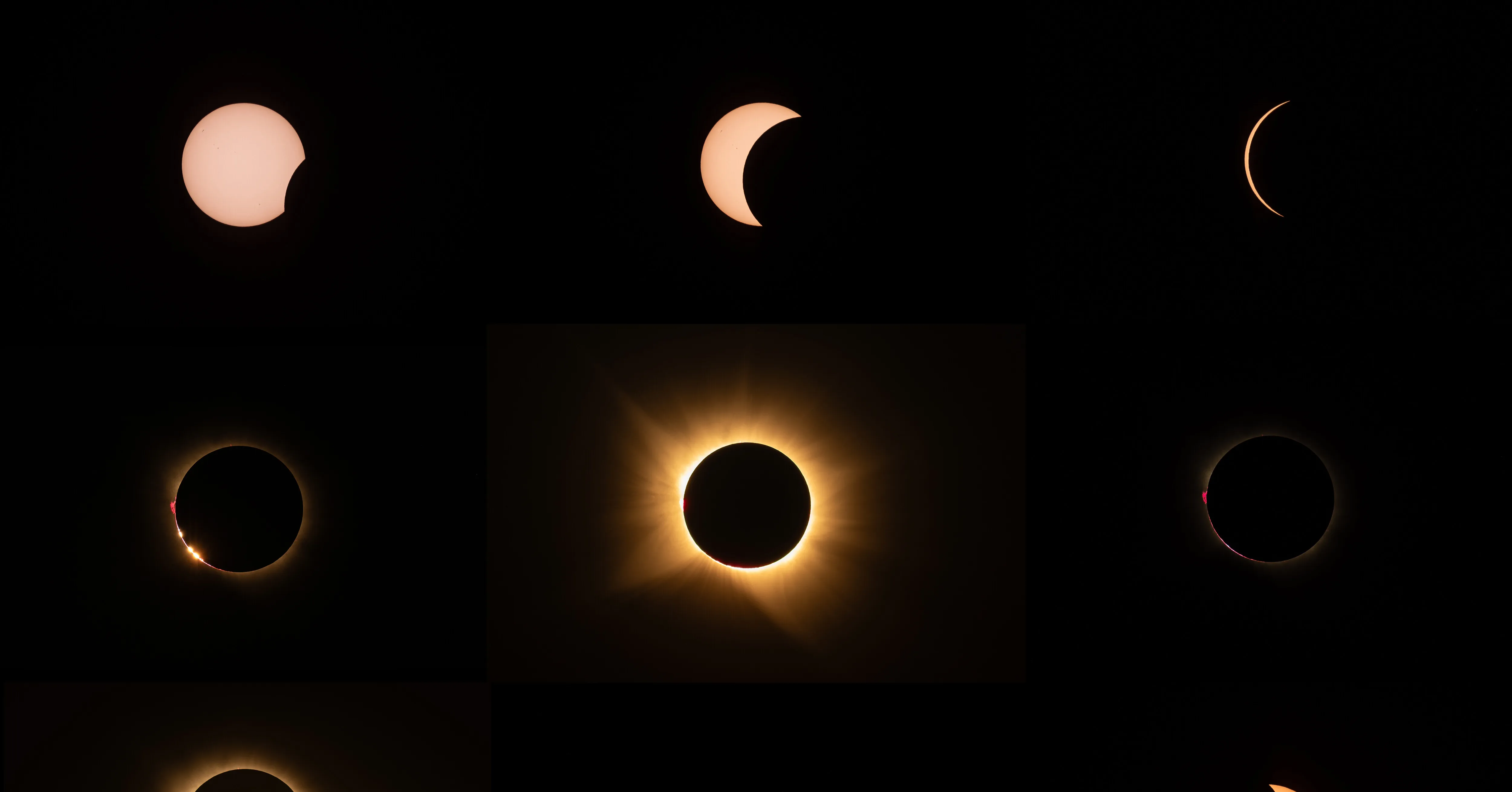
Attention is shifting to the next two major solar eclipses following the spectacular total eclipse of August 2026. According to a report from WIRED, the so-called “Iberian eclipse trio” is set to continue with two significant events in 2027 and 2028, both of which are projected to exceed the duration of the recent August event.
The first of these, a total solar eclipse on 2 August 2027, has been described as the “eclipse of the century” due to its extraordinary length. At its peak, the moon will completely obscure the sun for 6 minutes and 23 seconds. This duration is nearly three times longer than the 2 minutes and 18 seconds observed during the August 2026 eclipse, marking it as the longest total eclipse of the century.
The path of totality for the 2027 event will begin in southern Spain and northern Africa, traversing Morocco, Algeria, Tunisia, Libya, and Egypt before crossing Saudi Arabia, Yemen, and Somalia. Spain will be the sole European country to experience the total phase, although UK residents and visitors in Gibraltar will also have a view.
Egypt will witness the peak of the eclipse, with the moon’s shadow passing over ancient Thebes, including the temples of Karnak and Luxor and the Valley of the Kings. The pyramids of Giza, located further north, will fall just outside the path of totality and experience a partial eclipse.
The final eclipse in this series will occur on 26 January 2028. This annular eclipse will not completely cover the sun, instead leaving a bright “ring of fire” visible. The path will cross South America from Ecuador and Peru to Brazil, before crossing the Atlantic and ending in Portugal and Spain.
Brazil will experience the longest duration of this event, with the ring visible for 10 minutes and 27 seconds. In Spanish cities such as Seville, Córdoba, Albacete, and Valencia, the phenomenon will last approximately seven minutes and will appear close to the horizon shortly before sunset.
This story originally appeared on WIRED en Español and has been translated from Spanish.