Windrush compensation scheme faces calls for urgent overhaul as commissioner cites high denial rates
With nearly six in ten applications rejected and over 50 claimants dying before payout, the government is urged to reform a scheme it manages itself
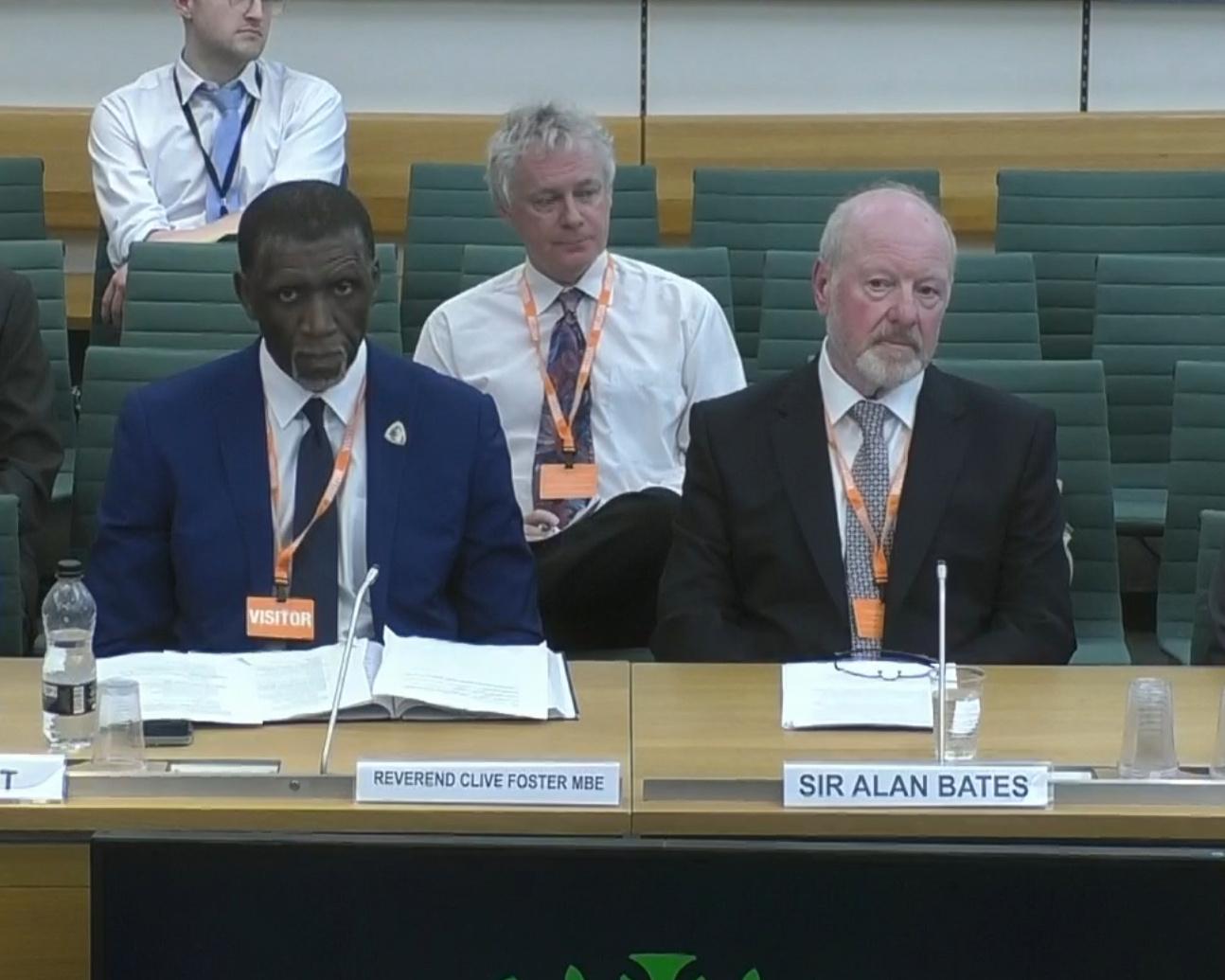
The Windrush compensation scheme requires a significant overhaul to effectively repair the injustices suffered by survivors, according to testimony given to the public accounts committee on Monday. Clive Foster, the independent Windrush commissioner, urged the government to provide funded legal support for claimants to reduce the high rate of denied payouts. Foster highlighted that nearly six in ten applications result in no payment, describing the current process as exhausting and painful for survivors.
Foster argued that advocates cannot replace lawyers, specifically noting the need for legal assistance to challenge flawed decisions, test evidence, and advise on causation and loss. He stated that the decision to place the Home Office in charge of delivering compensation for its own staff’s mistakes was misguided, suggesting that officials designing future schemes should not hand management to those responsible for the original problem.
Since the scheme’s launch in 2019, approximately £127m has been paid to 3,764 claimants. However, the committee heard that more than 50 people have died after submitting a claim but before receiving any compensation. Foster told MPs that survivors have already fought the state once and deserve a scheme that does not require them to prove their suffering all over again.
The public accounts committee is reviewing government compensation schemes, with evidence also heard regarding weaknesses in the Post Office Horizon redress programme, presented by campaigner Alan Bates. Bates highlighted the difficulties faced by victims seeking justice from state bodies, drawing parallels to the challenges encountered by Windrush survivors in navigating the complex evidential burden.
A Home Office spokesperson stated that the home secretary is determined to ensure affected individuals receive justice and that claims will be processed more quickly. Despite improvements in processing times, the commissioner maintained that without funded legal support, the scheme cannot be truly fair or accessible to those it was designed to help.