Windborne Systems claims AI model outperforms European Centre for Medium-Range Weather Forecasting
The AI weather firm reports superior accuracy in surface temperature forecasts and higher frequency updates, citing a strategic shift away from reliance on traditional ECMWF initial conditions.
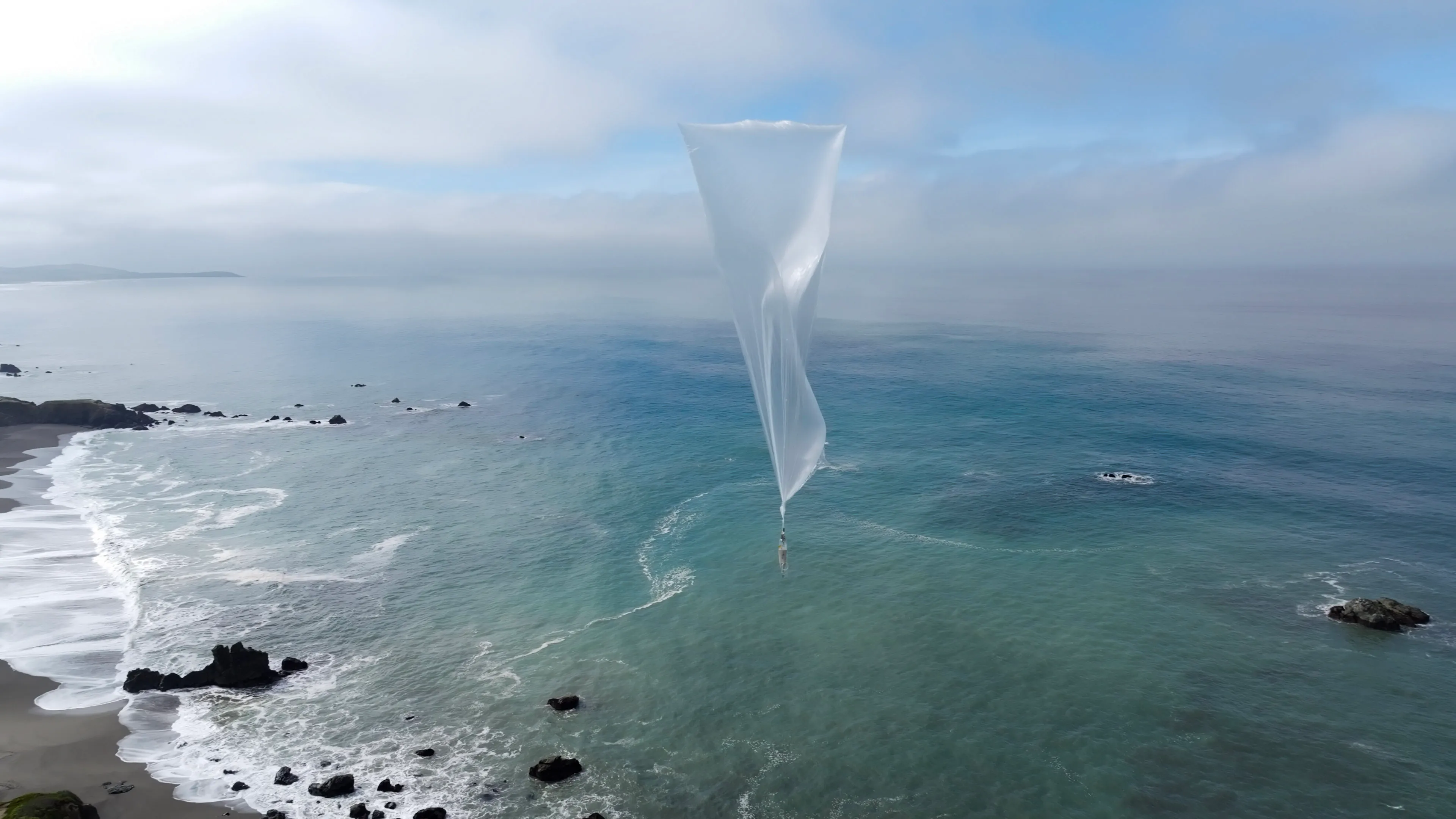
Windborne Systems has released WeatherMesh 6, its sixth iteration of an artificial intelligence-based weather forecasting model, claiming it surpasses the European Centre for Medium-Range Weather Forecasting (ECMWF) in accuracy for key variables. Founded in 2019 by Stanford University students, the startup argues that its new model delivers surface temperature predictions with the same reliability as traditional forecasts but five days into the future. This represents a significant departure from conventional meteorological standards, where ECMWF is widely regarded by professionals as the leading provider of accurate medium-range weather prediction.
The release marks a shift in how deep learning models ingest data. While traditional forecasting relies on complex physics models run on expensive supercomputers, and most AI models depend on data sets produced by agencies such as the ECMWF or the US National Oceanic and Atmospheric Administration (NOAA), Windborne Systems utilises direct data ingestion from its own fleet. The company currently operates approximately 400 weather balloons launched from 15 global sites, feeding sensor readings directly into its transformer-based architecture. This approach allows for hourly forecasts with a 3km resolution across Europe and the continental United States, contrasting with the traditional six-hourly update cycle.
John Dean, chief executive officer of Windborne Systems, stated that the company’s improved performance stems from its ability to bypass reliance on ECMWF’s initial conditions. After a year of tuning and re-architecting the model, Dean predicted that removing ECMWF’s data inputs would not significantly degrade the model’s stability or accuracy. This claim challenges the industry norm where AI weather tools have historically lagged behind physics models in resolution and long-term accuracy, despite offering faster processing speeds.
The startup’s operational history includes a notable incident last year involving a collision between one of its balloons and a United Airlines jetliner. While the aircraft sustained minor damage and no injuries occurred, the event prompted Windborne to equip its balloons with transponders that report location via the global aviation surveillance system, ADS-B. This safety enhancement coincides with the company’s broader strategy to integrate its data infrastructure more securely into commercial and government aviation environments.
Windborne Systems, which raised $25 million in venture funding and reported a valuation of $85 million in 2024, sells its balloon data to NOAA, the US Air Force, and the US Navy. The company also provides forecasts to investors and commodity traders. However, Dean emphasised that the firm is prioritising model and data infrastructure development over building traditional software-as-a-service products for consumer information, citing the evolving nature of how financial and institutional clients access market-moving data.
