Williams’ anticipated return to tennis raises questions over motive and timing
At 44, the 23-time Grand Slam winner is preparing for a comeback that defies typical career trajectories, leaving observers questioning the strategic intent behind her return.
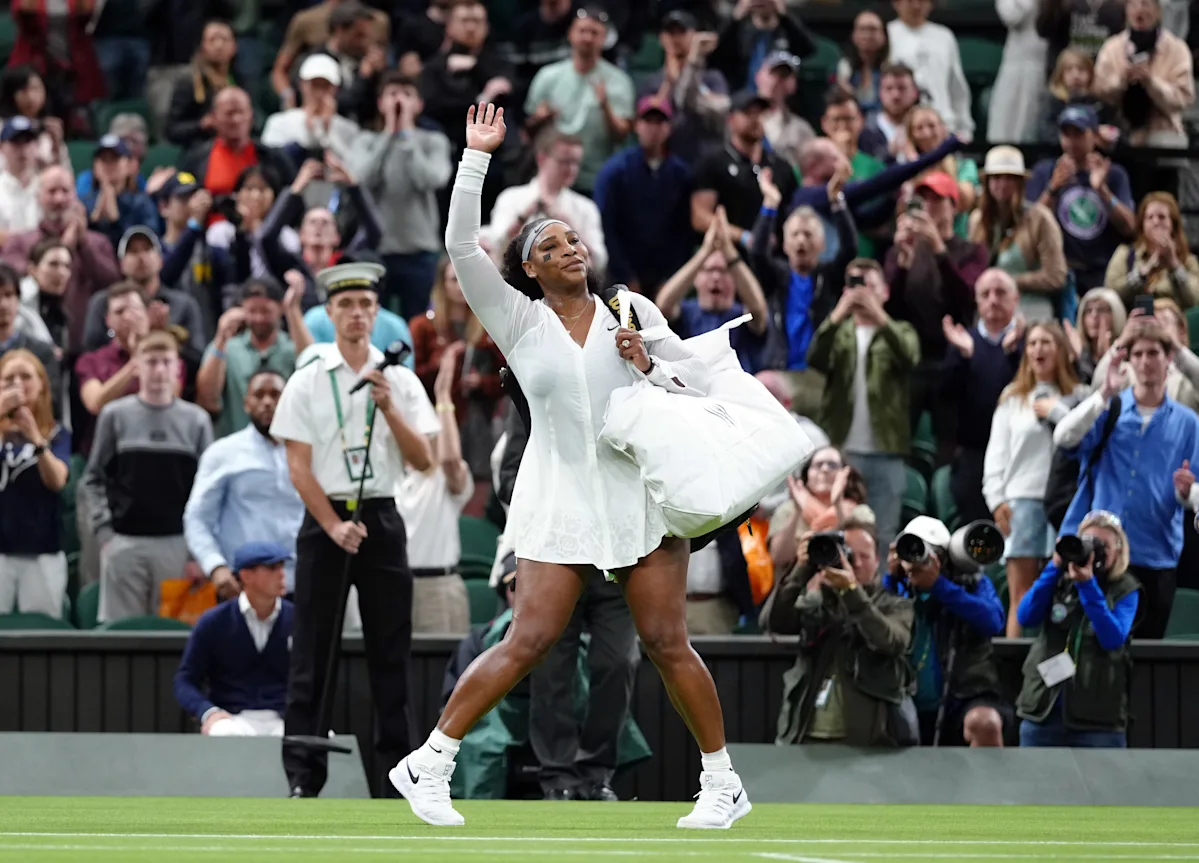
Serena Williams is expected to formally announce a return to professional tennis in the coming days, a move that has sparked significant debate regarding the rationale behind her decision. The 44-year-old former world number one has spent more than six months in the drug testing pool, a clear indicator of her intent to resume competitive play. Recent reports indicate she has requested wildcards for grass-court tournaments leading up to Wimbledon, signalling a targeted approach to her potential return.
The motivation for Williams to re-enter the professional circuit at this stage of her life remains a subject of intense speculation. Having won 23 Grand Slam singles titles and secured a high-profile exit at the U.S. Open four years ago, questions persist about what she hopes to achieve. Reports suggest she has lost more than 30 pounds and is currently a spokesperson for a GLP-1 drug, leading to inquiries about whether physical transformation has altered her competitive prospects.
Historical precedents for late-career comebacks in tennis are mixed. Bjorn Borg’s return attempts were largely unsuccessful, whereas Martina Navratilova found success in doubles, winning a mixed doubles title at the U.S. Open shortly before her 50th birthday. Navratilova also became the oldest woman to win a Grand Slam singles match at age 47, demonstrating that competitive viability is possible, albeit challenging, for players in their mid-40s.
Williams’ final professional match was a first-round loss to Harmony Tan at Wimbledon four years ago. While that defeat exposed physical decline against younger opponents, it was not considered an embarrassment. Her legacy is widely regarded as secure, with analysts noting that poor performance in a comeback would not tarnish her historical standing. The most significant debate centres not on her legacy, but on the unclear objectives of her return, whether aimed at validation, influence on her eight-year-old daughter Alexis, or genuine competition against current stars like Aryna Sabalenka or Coco Gauff.
When Williams stated in 2022 that she was “evolving” away from tennis rather than retiring, it appeared to mark a natural transition towards family and business priorities. However, the current developments suggest a shift in focus. While every tournament would welcome her return, the expectation remains low for her to compete at the highest level against prime athletes. The coming days will clarify whether her goal is to remain semi-competitive or to pursue further Grand Slam success, a pursuit that seemed increasingly unlikely given the gap between her generation and the current field.