Wildfire smoke overtakes human pollution as primary prenatal health threat in US
Analysis of 65 million births reveals that while human-source emissions dropped by 37 per cent, wildfire contributions doubled, disproportionately affecting vulnerable communities in the West and Northwest.
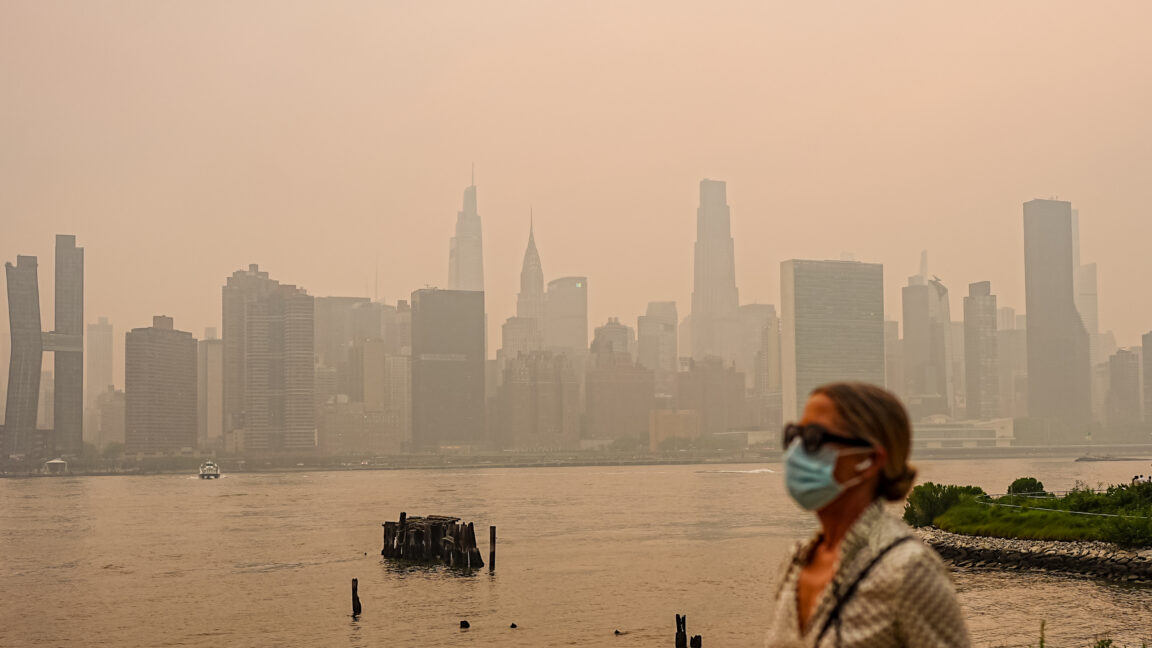
A study published in Frontiers in Environmental Health by researchers at the University of Maryland indicates that wildfire smoke has surpassed human-made air pollution as the dominant prenatal health risk in the contiguous United States. The research, which analysed data from 2003 to 2019, found that the health benefits achieved through decades of regulatory action on industrial and vehicular emissions are being systematically offset by increasing wildfire activity.
The University of Maryland team examined nearly 65 million births over a 16-year period, utilising computer models to estimate prenatal exposure to fine particle pollution, or PM2.5. By comparing EPA air quality data with live birth records, researchers calculated that average daily prenatal exposure to human-source pollution decreased by 37 per cent. However, contributions from wildfires doubled during the same timeframe, effectively neutralising the improvements driven by the Clean Air Act.
Wildfire smoke is linked to significant adverse outcomes, including increased risks of preterm birth and low birthweight. These conditions can lead to early mortality or the development of chronic respiratory diseases later in life. The study highlights that the unchecked burning of fossil fuels has created warmer, drier conditions that intensify fires, producing toxic smoke that poses a greater threat to unborn infants than traditional ambient pollution.
The burden of this exposure is not distributed equally. The analysis identified that low-income, rural, and Indigenous populations in the West and Northwest bear a disproportionate share of the risk. In these regions, wildfires’ contributions to air pollution more than doubled over the study period. These communities often face limited access to neonatal care and resources such as clean-air shelters or air filtration systems, exacerbating the health impacts of smoke exposure.
Senior author Michel Boudreaux, an associate professor of health policy and management at the University of Maryland, noted that the study focuses on a specific population highly vulnerable to adverse health outcomes. While the research does not directly integrate data on preterm birth rates, it provides a robust characterisation of exposure levels. Boudreaux suggested that extending the analysis through 2026 would likely show an even higher contribution from wildfires, though this remains speculative as EPA data does not extend beyond 2019.
Ilona Jaspers, an inhalation toxicologist at the University of North Carolina, Chapel Hill, who was not involved in the study, praised the research for applying a birth-weighted lens to the issue. She noted that the findings confirm and expand upon established evidence that ambient PM2.5 in the United States is increasingly dominated by wildfire smoke. Jaspers added that previous research has linked exposure during specific perinatal periods to childhood respiratory diseases, underscoring the potential public health consequences of this trend.
The study acknowledges limitations, such as not accounting for individual protective behaviours like mask usage or time spent outdoors. However, data from community monitoring networks indicates significant PM2.5 levels inside homes during smoke events. Boudreaux emphasised that the next challenge is helping communities manage this distinct type of exposure, while ultimately addressing the broader risks of climate change that drive the increase in catastrophic fires.