WIIRed review: Oura, RingConn, and Samsung lead smart ring market in 2026
A comprehensive May 2026 assessment by WIRED identifies the Oura Ring 4, RingConn Gen 2 Air, and Samsung Galaxy Ring as the leading options in a crowded wearable market, highlighting diverging strategies on data accuracy and recurring costs.
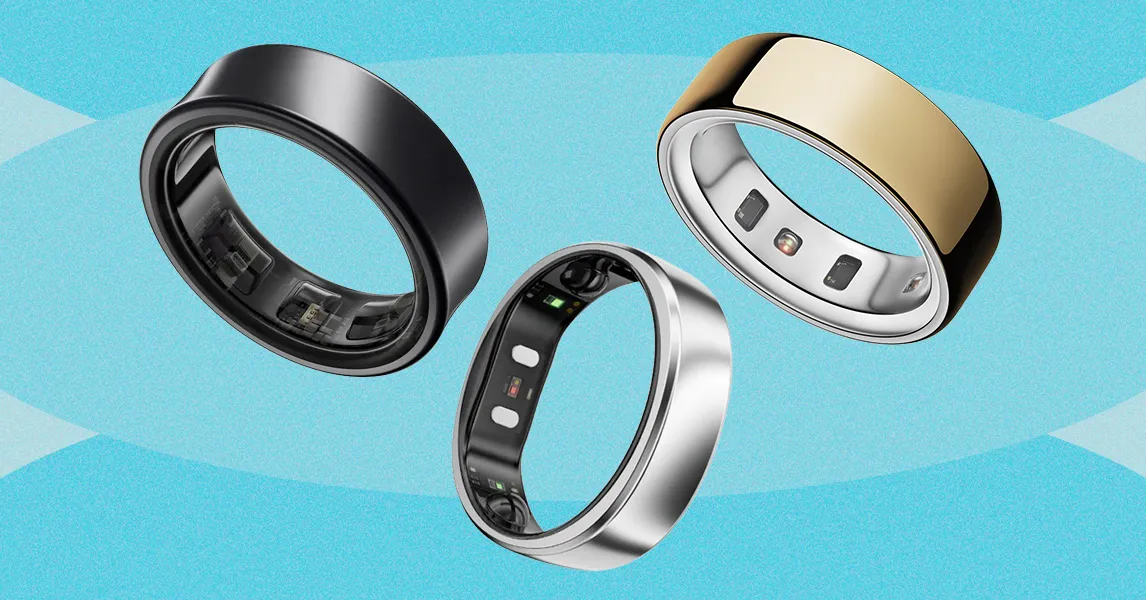
WIRED has published an updated assessment of the smart ring sector, identifying the Oura Ring 4, RingConn Gen 2 Air, and Samsung Galaxy Ring as the top three options available to consumers. The review, which evaluated devices worn 24/7 for at least a month, underscores a market divergence where premium accuracy is tied to subscription models, while affordability often comes with functional compromises. The Oura Ring 4 remains the overall benchmark for sleep and fitness tracking precision, despite the requirement for a monthly fee.
The Oura Ring 4 is rated as the best sleep tracker and one of the most accurate fitness devices in the category. Its hardware captures heart rate, body temperature, and blood oxygen levels with a reliability that WIRED testers found closely mirrored subjective wellness feelings over a 30-day trend period. The device also flags changes in respiratory rate during illness and includes a partnership with Quest Diagnostics allowing users to access bloodwork through their subscription. While the ceramic version addresses durability concerns noted with the silver model, the device requires a paid subscription to access its full data suite.
In contrast, the RingConn Gen 2 Air is positioned as a cost-effective, subscription-free alternative. It is slimmer and lighter than its predecessor and includes PPG and temperature sensors for tracking steps, heart rate, and sleep. However, the review notes significant limitations, particularly in workout tracking which struggles when heart rates are elevated. The device also tends to overestimate sleep duration and slightly underestimate activity compared to Oura, though it remains a viable option for users seeking to avoid recurring fees.
The Samsung Galaxy Ring distinguishes itself through seamless integration with Samsung’s broader ecosystem, including the Galaxy Watch8 series and Galaxy Watch Ultra. It features cycle-tracking powered by Natural Cycles, which uses skin-temperature sensing to predict periods with noted accuracy. While the ring offers reliable heart rate tracking and auto-detection of workouts, its advanced wellness features, such as the Energy Score and AI-driven Booster Cards, are restricted to users with Samsung phones. The device is priced higher than Oura but operates without a subscription model.
Several other entrants faced scrutiny for performance issues or incomplete feature sets. The Leep Ring, priced at $199, suffered from inaccurate sleep tracking and app polish issues. The Luna Ring 2.0, at $329, was found to overestimate activity and sleep compared to Oura. The Circular Ring 2 experienced persistent server issues and data processing delays, while the Amazfit Helio Ring was deemed inaccurate with confusing subscription models for its AI features. The Movano Evie Ring was noted as sold out with underdeveloped menstrual health features compared to competitors.
WIRED’s testing methodology involves rigorous daily wear to assess comfort, durability, and data consistency across various activities including commuting and exercise. The publication is currently testing upcoming devices, including the Ultrahuman Ring Pro, RingConn Gen 3, and Pulse Ring, as the market continues to expand with new entrants vying for consumer attention through improved hardware and software reliability.
