WIIRed Review: Hypershell X Ultra S Exoskeleton Leads Market Despite Practical Limits
A comprehensive assessment of the latest wearable robotics technology reveals significant engineering advances, though questions persist regarding target demographics and real-world utility.
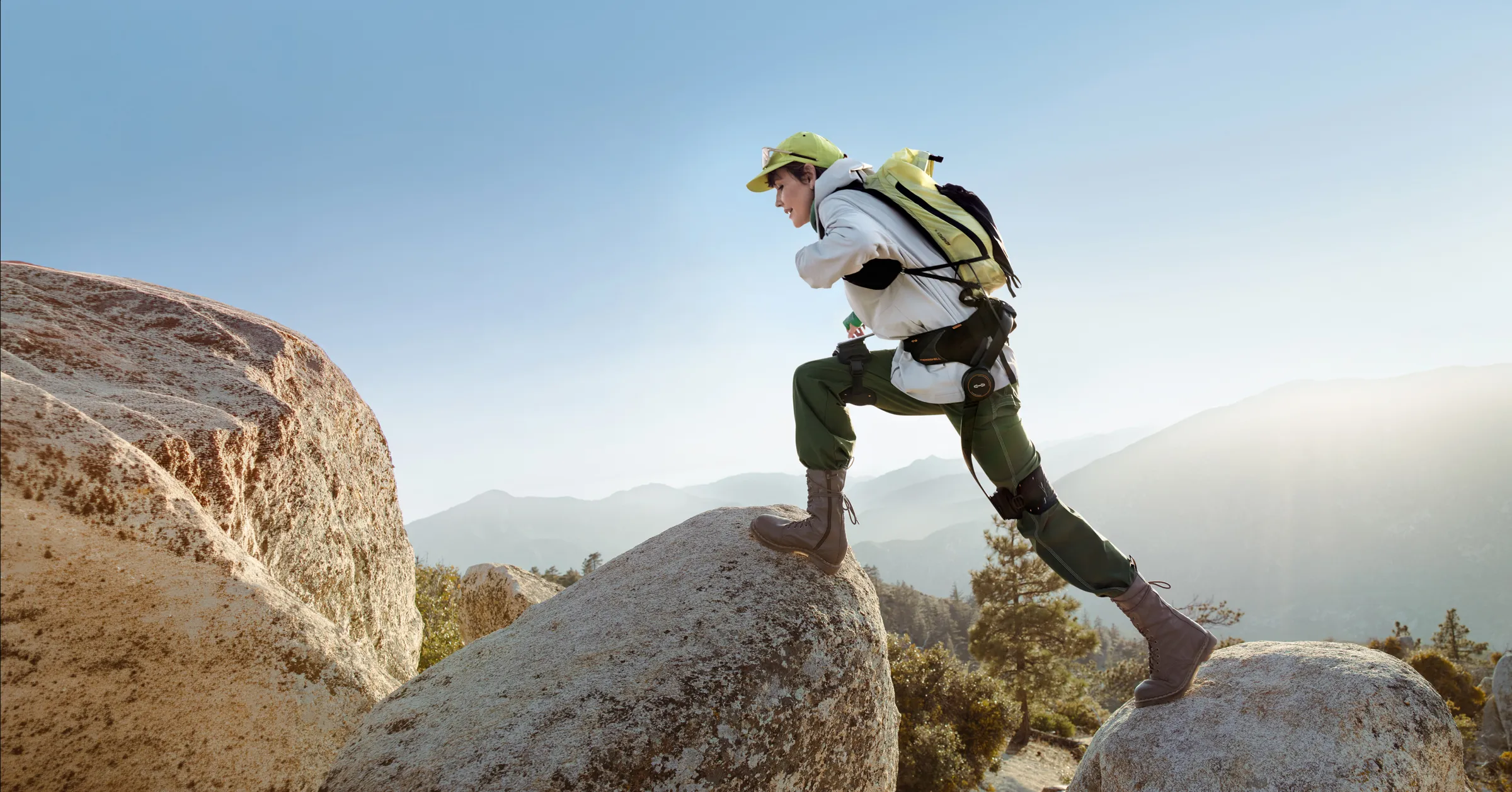
WIRED has published a detailed review of the Hypershell X Ultra S exoskeleton, identifying it as the current best-in-class consumer model. The device utilises a new AI-driven control system, 'HyperIntuition', which replaces previous rule-based software with real-time torque adjustment to improve movement naturalness. Constructed from carbon fiber and titanium, the 5.5-pound unit features a 1,000-watt motor and offers 12 assist modes.
The review acknowledges significant improvements in uphill assistance and a claimed 97.5% human-machine synchronization rate. However, the publication criticises the device for being cumbersome for running, difficult to use with bicycles, and having limited battery life. The reviewer suggests the target demographic may be older adults rather than the young, athletic hikers depicted in marketing materials.
Hypershell claims the new algorithm responds in 0.31 seconds, aiming to align support with user movement rather than imposing it. Internal lab-controlled testing by Hypershell suggests the device can reduce heart rate by 42.7 percent when cycling and 22.3 percent during incline walking, with leg muscle activity reduced by up to 63.7 percent.
Despite these metrics, the reviewer noted that the claimed range of roughly 18 miles is based on carrying a spare battery. Actual range varied significantly based on assistance levels, with tests showing only 4.2 miles on 75% Eco mode and 1.9 miles on higher power settings. The device also presents physical challenges, such as difficulty mounting bicycles due to carbon-fiber rods obstructing the crossbar.
The article concludes that while the X Ultra S represents a leap in wearable robotics technology, its practical application remains niche. The disconnect between the marketing imagery of young athletes and the device's actual benefits for stability and effort reduction on inclines suggests a misalignment with the most likely user base.