WIIRed review highlights InstaFarm’s soil-based approach to automated microgreens
A recent assessment by WIIRed notes the InstaFarm’s rapid five-day growth cycle and ease of use, while flagging specific operational quirks and physical constraints.
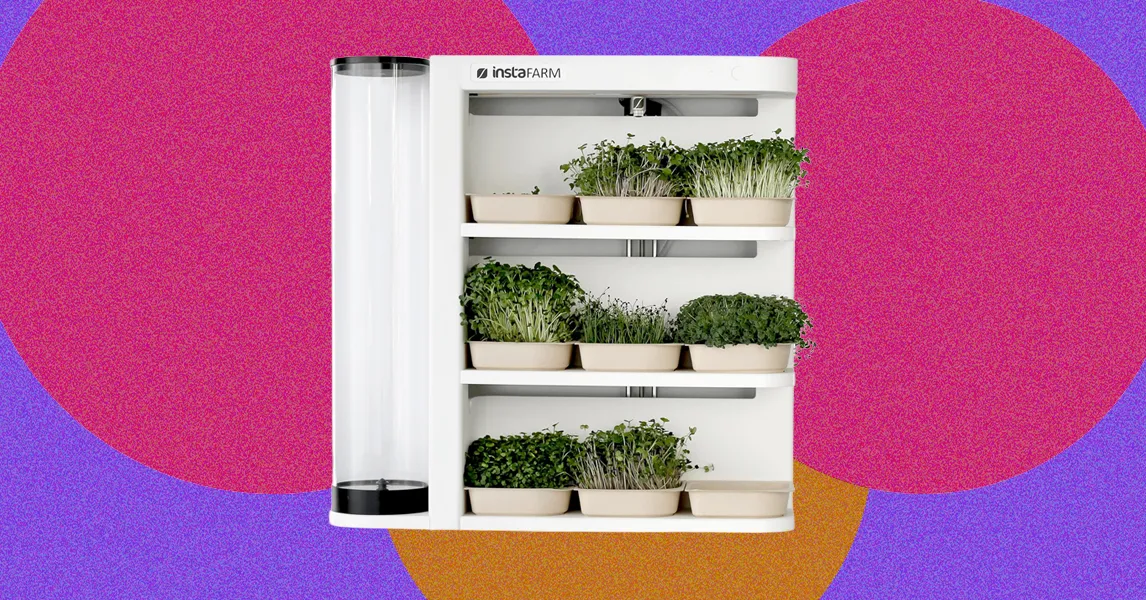
WIIRed has published a detailed review of the InstaFarm, an automated indoor gardening system designed for cultivating microgreens. The assessment highlights the device’s departure from traditional hydroponic methods, noting that its soil-based approach offers a more stable environment for germination and growth. The review confirms the unit’s rapid production cycle, which yields usable greens in approximately five days, while also identifying specific operational nuances and physical limitations relevant to potential buyers.
The InstaFarm utilises proprietary 4-by-4-inch compostable trays pre-filled with soil sourced from Amish Country in Pennsylvania and organic, non-GMO seeds. These trays are sold in nine-packs for $23, with over a dozen varieties available. According to InstaFarm president Philip Hartman, the decision to use soil rather than water-based systems is intentional. He explained that hydroponics is heavily dependent on water pH levels, which can lead to inconsistent germination and growth results, whereas soil provides a more natural and stable medium for plant development.
Operationally, the device features a metal nozzle arm that extends every 90 minutes to sense tray height, humidity, and temperature before dispensing water. The review noted the system’s general reliability but pointed out a specific inaccuracy where the sensor consistently overshot the watering volume for red beet greens, causing daily overflow. Additionally, the reviewer observed a slight mechanical noise as the nozzle retracted to its resting position, describing it as comparable to the sound of a ski lift bullwheel.
Physical constraints were also identified as a consideration for installation. Despite manufacturer claims that the unit fits under most kitchen cabinets, the reviewer found it slightly too tall for their own setup. The device has a footprint of approximately 6-by-18 inches and requires distilled water. The review suggests that prospective users should measure their space carefully, as the unit’s natural habitat is likely the kitchen, and improper placement could hinder its utility.
In terms of maintenance, the InstaFarm requires minimal intervention beyond refilling the water reservoir and replacing trays. The reviewer noted no pest issues, such as fungus gnats, during a month of use, contrasting this with other soil-based or hydroponic systems that often require cleaning and scrubbing. The unit was recognised as an Innovation Award honoree for food tech at this year’s CES, and the review concluded that it effectively removes barriers to successful home microgreens production.
