WIIRed review: Digital wall calendars offer family management without the smart display clutter
An updated 2026 evaluation of the Skylight Calendar 2, Everblog HomeCal, and Apolosign reveals varying trade-offs between ease of use, cost, and ecosystem compatibility.
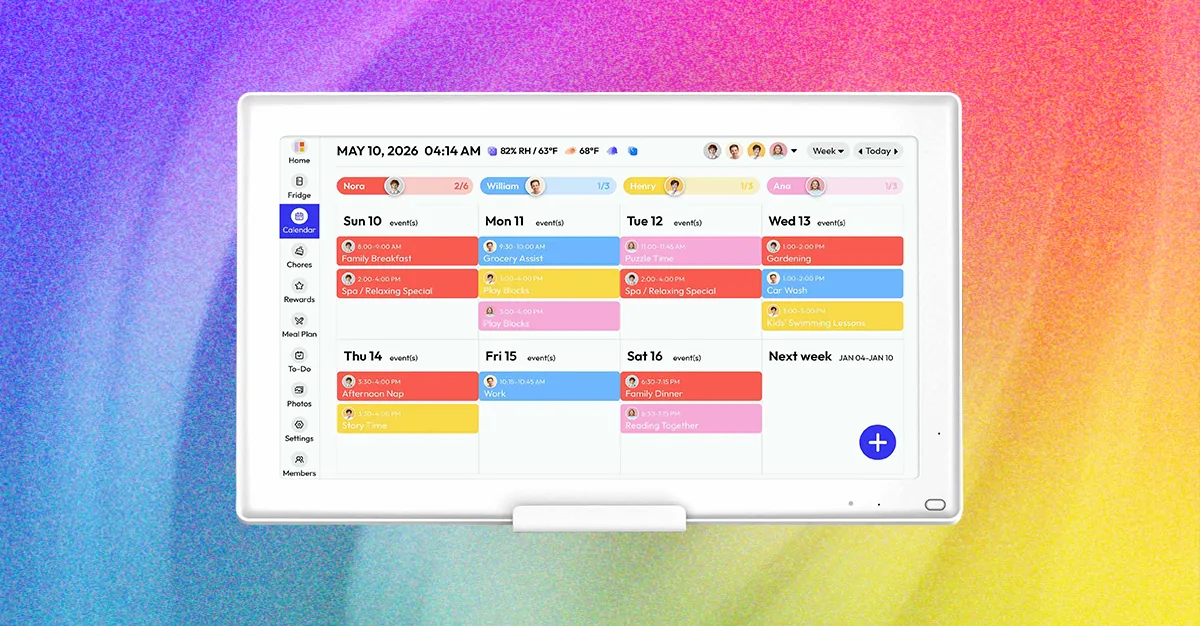
WIRED has published an updated review of digital wall calendars in June 2026, evaluating models including the Skylight Calendar 2, Everblog HomeCal, and Apolosign. The review positions these devices as family management tools that sync with existing digital calendars such as Google Calendar, Apple Calendar, and Microsoft accounts, offering features like chore charts, meal planning, and photo displays. The Skylight Calendar 2 is recommended for its intuitive software, though it requires a subscription for premium features. The Everblog HomeCal is noted as a free alternative with some syncing delays, while the Apolosign is praised for having no paywall but suffers from setup difficulties and limited compatibility with iPhone users.
The Skylight Calendar 2 is highlighted as the most popular option, with the brand offering three models ranging from the older 10-inch Calendar at $170 to the Calendar Max at $630. The Calendar 2, priced at $320, features improved performance and interchangeable Snap Frames. Its software is described as clean and intuitive, allowing users to easily assign calendars to family members without requiring individual logins. However, access to meal planning, rewards, photo screensavers, and an AI assistant named Sidekick requires a Plus subscription costing $79 annually or $8 monthly.
Everblog offers the HomeCal as a free alternative, though the device exhibits syncing delays and limited photo upload capabilities. The HomeCal defaults to loud event pings, which can only be adjusted on the device itself, and includes a fridge section for tracking food inventory. Everblog also sells a smaller, battery-powered FridgeCal for $249. While the Everblog interface feels similar to Skylight, it lacks a dedicated recipe section and requires users to toggle off extra email profiles that appear as separate user accounts.
The Apolosign is available in 15.7-inch, 21.5-inch, and 27-inch sizes and runs on Android OS. It offers a customisable "Android mode" for widgets and layouts, though this mode lacks two-way calendar sync. The device is praised for having no subscription fee, but users report setup difficulties and limited two-way sync compatibility with iPhone users. The Android-based operating system makes it function similarly to a large tablet, which some users find less intuitive than dedicated calendar interfaces.
Other tested models, including the Cozyla Digital Calendar and Hearth Display, were found to have significant usability or cost drawbacks. The Cozyla Digital Calendar, priced at $350, was found frustrating to navigate and difficult to import shared calendars. The Hearth Display, costing $699, was deemed expensive and difficult to set up, requiring a $6 monthly Family Membership. WIIRed notes that while digital wall calendars replace paper clutter, they do not offer the full smart-home support or video streaming capabilities of general-purpose smart displays.
