WIIRed 2026 smart glasses ranking: Ray-Ban Meta leads as AI integration drives mainstream adoption
The media giant’s latest guide highlights the category’s evolution from niche prototypes to a diverse market, with privacy concerns and varied use cases defining the consumer landscape.
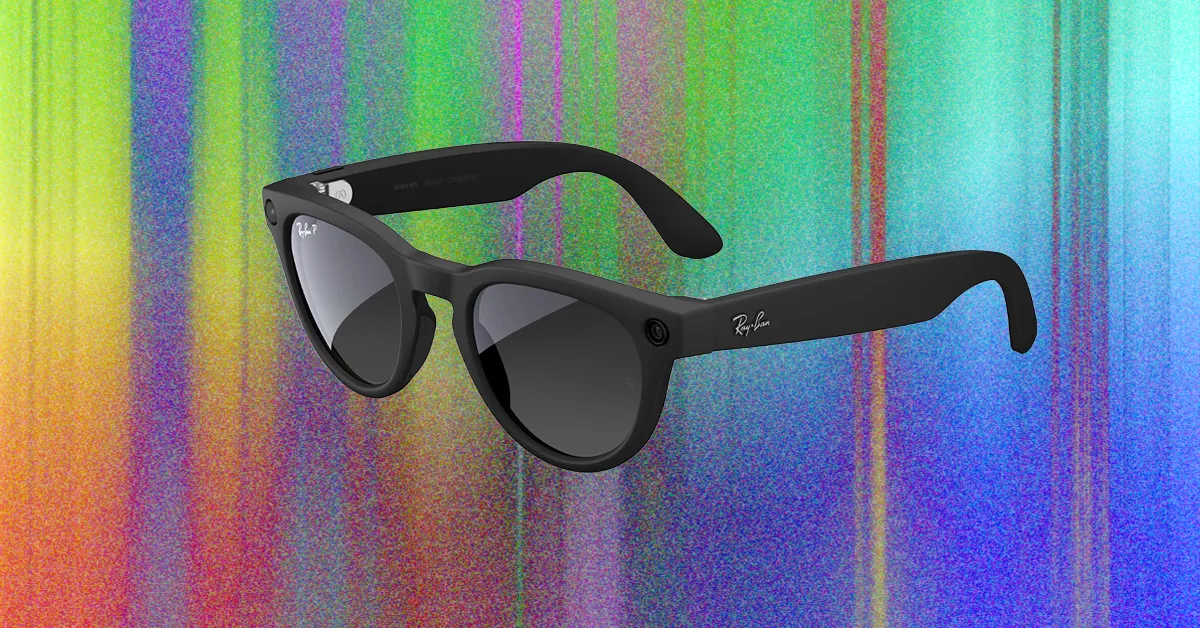
WIIRed has published its updated 2026 ranking of the best smart glasses, following extensive testing of camera, artificial intelligence, and augmented reality models. The report identifies the Ray-Ban Meta glasses as the category leaders, citing their significant popularity and sales figures, while also evaluating competitors including the Viture Beast, Xreal One Pro, Oakley Meta Vanguard, and Even Realities G2. The guide traces the market’s evolution from early prototypes like Google Glass to current mainstream adoption driven by AI integration.
The Ray-Ban Meta glasses remain the benchmark for the sector, with Meta and Ray-Ban selling more than 7 million pairs in 2025. The second-generation model features a 12-megapixel camera, open-ear speakers, and five microphones, offering around eight hours of battery life. While the photo quality does not match the latest smartphones, the devices support 3K video recording and include AI features such as live language translation. However, the report notes that the glasses have sparked significant privacy concerns, with over 70 organisations forming a coalition to demand Meta remove facial recognition features.
For users prioritising virtual displays, the 2026 Viture Beast is highlighted for its brighter screen and wider field of view compared to its predecessor, the Xreal One Pro. The Viture Beast includes an onboard chip that allows for screen-width customization and three degrees of freedom, eliminating the need for third-party applications. While the device offers a comfortable fit and works with various companion systems, reviewers noted that it drains device batteries quickly and requires calibration to ensure the virtual screen is level.
The Xreal One Pro remains a major competitor, offering a 171-inch virtual display at 1080p resolution with a 57-degree field of view. WIIRed praised the One Pro for its superior sound quality, delivered by built-in Bose stereo speakers, and its electrochromic film that dims the lenses to improve contrast. The device supports 3D pinning without accessories, though the system was described as somewhat underbaked compared to the Viture Beast, and it lacks diopter dials for prescription adjustments.
The market also caters to specific niches, such as sports and business productivity. The Oakley Meta Vanguard is recommended for athletes, featuring an IP67 water resistance rating and louder headphones, although its camera quality trails dedicated action cameras. For professionals, the Even Realities G2 offers a bright display and extensive translation support without cameras or microphones, addressing privacy concerns. However, its AI conversational assistant was found to be distracting, and the lack of recording indicators raises ethical questions about discreet audio capture.
Other models reviewed include the RayNeo Air 3s Pro, which offers a large virtual screen but suffers from buggy software, and the Asus AirVision M1, which was criticised for a small in-focus sweet spot and average speaker quality. The guide also noted the Lucyd Reebok Octane for its ease of use and the Solos AirGo Vision for its AI assistant, though the latter was rated poorly for its photo and audio quality. The report concludes that while smart glasses are not for everyone, they offer valuable hands-free convenience for those seeking notifications and audio in their line of sight.
