WIIR Update: Midea Retains Top Spot in 2026 Window AC Guide Following Recall Fixes
The Midea 8,000 BTU U-Shaped Smart Inverter remains the preferred choice, while new entries from Zafro and EcoFlow address specific market needs for irregular windows and off-grid power.
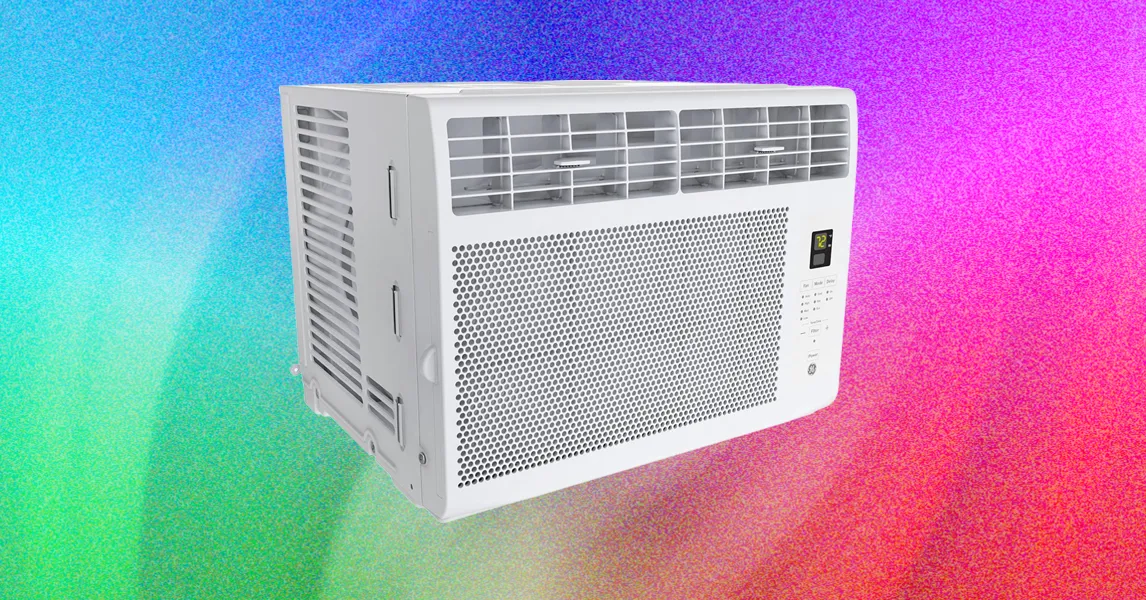
WIIR has published its 2026 guide to the best window air conditioners, updating its recommendations with new models and addressing previous safety concerns. The Midea 8,000 BTU U-Shaped Smart Inverter Window Air Conditioner, priced at $400, retains its position as the top pick. The guide highlights the unit’s energy efficiency, quiet operation, and unique design that allows the window to remain open.
The Midea model received substantial fixes following a voluntary recall last year regarding potential mould formation in the fan, which was attributed to suboptimal installation. The 2026 version features a redesigned drain plug, improved seals, easier cleaning access, and bubble levels to ensure correct tilting for drainage. Reviewers noted that the unit’s components are largely housed outside the window frame, contributing to its status as one of the quietest tested models.
New additions to the guide include the Zafro Smart Inverter portable AC and the EcoFlow Wave 3. The Zafro unit is highlighted for its dual-hose design, which prevents the depressurisation "vacuum" effect common in single-hose units, and its flexibility for irregular window frames. The EcoFlow Wave 3 is introduced as a battery-powered portable unit suitable for off-grid use, weighing nearly 56 pounds with its battery and using R290 (propane) refrigerant.
The guide also covers budget-friendly options such as GE models, noting the 5,000 BTU model at $164 as the most affordable, though it lacks smart features and operates at around 65 decibels. High-efficiency mini-split heat pumps, such as the Della Optima Series, are included for consumers willing to invest in professional installation. The Della Optima Series 12,000 BTU 23 SEER2 is noted for its high efficiency and quiet operation at 40 decibels, though installation requires a certified HVAC technician.
Consumer advice in the guide focuses on selecting units based on BTU capacity, Combined Energy-Efficiency Ratio (CEER), and specific installation requirements. WIIR notes that while cheaper units may have lower upfront costs, they often lack efficiency, potentially leading to higher energy bills over time. The guide also removed discontinued models from brands such as July and streamlined its top picks to reflect current market availability.
