Meta Cuts 8,000 Jobs as AI Pivot Deepens; Google Unveils Agentic Search
Meta’s latest layoffs and mandatory employee monitoring coincide with Google’s shift to autonomous search, while Elon Musk’s lawsuit against OpenAI is dismissed and public scepticism toward AI grows.
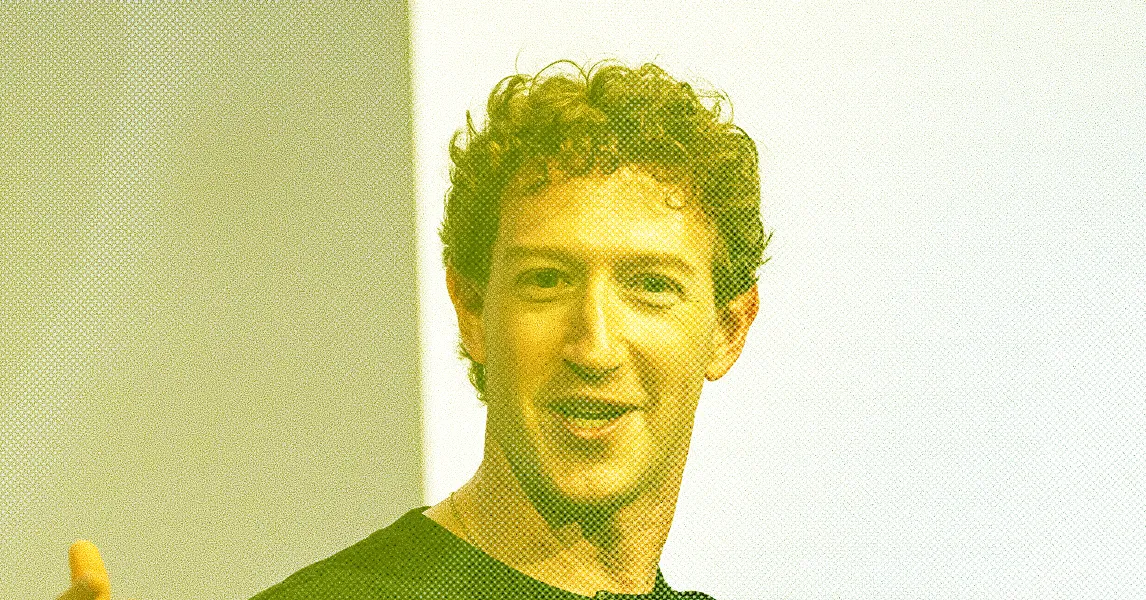
Meta has announced mass layoffs affecting approximately 10 percent of its workforce, totaling around 8,000 employees. The company cited high spending on artificial intelligence and data centres as a primary driver for the reductions, which form part of CEO Mark Zuckerberg’s ongoing “Year of Efficiency” and a broader strategy to transition the company into an AI-forward workplace. Despite reporting record profits, Meta’s leadership has framed the cuts as necessary to fund its aggressive push into generative AI, a move that has significantly impacted employee morale and internal stability.
In a further escalation of its AI integration, Meta has implemented mandatory software on employee laptops to monitor keystrokes and cursor movements. This data is being harvested to train internal AI models, with no opt-out option available for staff. Reports indicate that remaining employees are being internally “drafted” into AI teams, altering their roles and responsibilities regardless of their previous specialisations. The company’s focus on AI has drawn criticism from some staff who argue that core business units, such as Instagram, are performing well against competitors like TikTok without relying heavily on artificial intelligence.
Concurrently, Google has unveiled significant changes to its search engine at its I/O conference, marking a transition towards conversational AI and autonomous agents. The update introduces Phase 1, which features conversational queries with interactive graphics, and Phase 2, described as “agentic search.” In this second phase, AI agents will monitor the web on behalf of users and send notifications when specific criteria are met, such as the release of new products. Google also announced “Gemini Spark,” an autonomous assistant with access to user data across Google services, raising privacy concerns regarding the extent of data access granted to AI tools.
In legal developments, Elon Musk lost his lawsuit against OpenAI and Sam Altman, with the court dismissing the case on statute of limitations grounds. The jury found no need to rule on the merits of the claim that OpenAI had illegally abandoned its nonprofit mission, and the judge accepted the findings to dismiss the case immediately. Musk has indicated plans to appeal the decision. Despite the legal setback, OpenAI is proceeding with its initial public offering and enterprise code initiatives, with president Greg Brockman recently donating $25 million to a pro-AI political super PAC to support candidates favourable to the technology.
Public scepticism regarding AI’s impact on employment is also rising, evidenced by former Google CEO Eric Schmidt being booed by graduating students at the University of Arizona after praising the technology. Gallup data shows that hope for AI among 14–29-year-olds dropped from 27 percent to 18 percent in one year. Additionally, US entry-level job postings have declined by approximately 35 percent since January 2023, reflecting a challenging job market for young professionals entering the workforce.
