Why the movie tie-in video game is effectively extinct
Ballooning production costs and misaligned development timelines have pushed the industry away from direct film adaptations, favouring remasters and in-game additions instead.
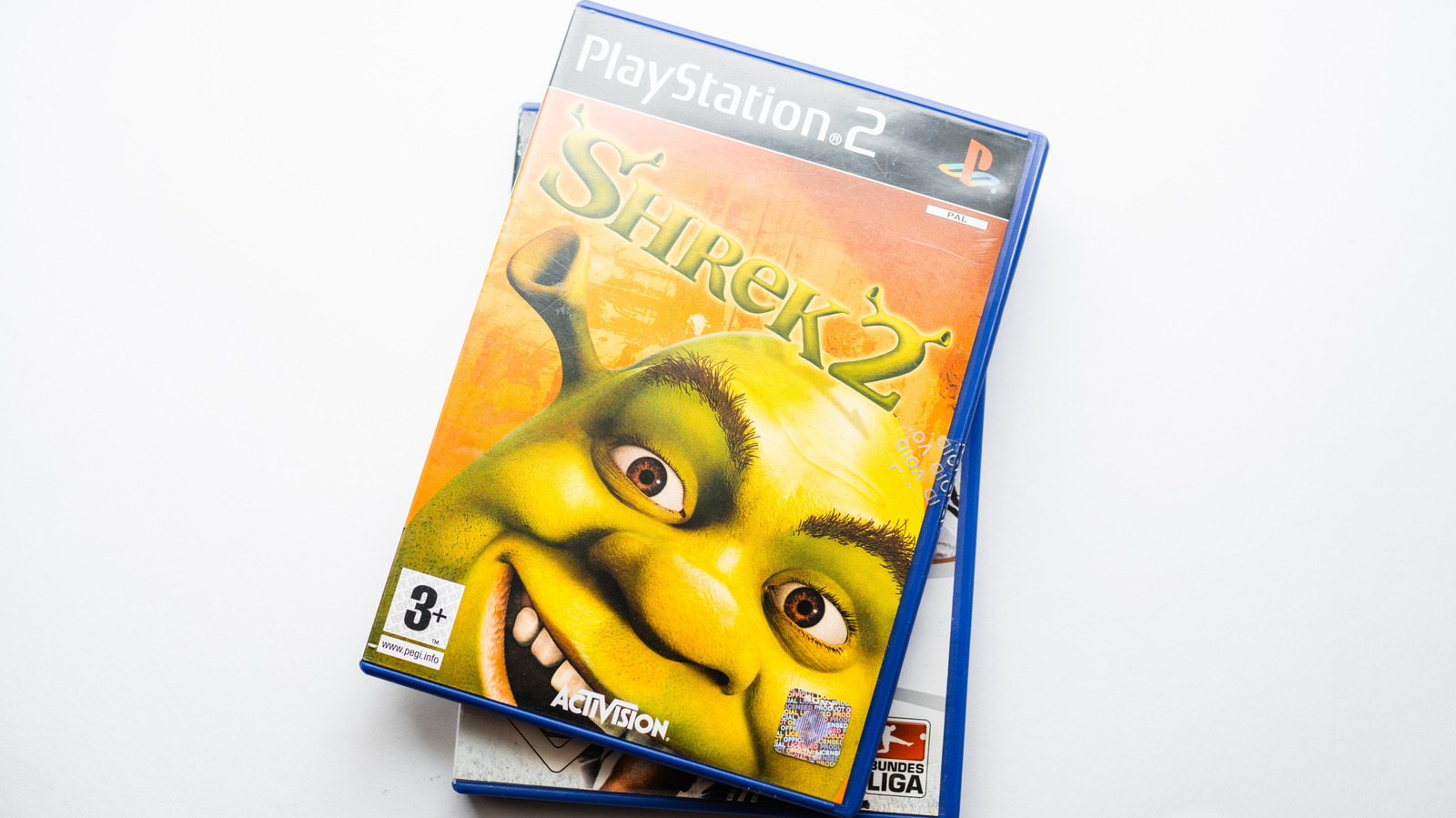
The era of the guaranteed movie tie-in video game has largely come to an end, driven by a widening gap between ballooning production costs and extended development timelines. In 2007, the market saw over 30 licensed games based on films released. By 2025, that figure had effectively vanished, replaced by in-game additions such as a dedicated event server in Minecraft for its film or Fortnite skins for The Fantastic Four: First Steps.
The primary driver of this decline is the exponential rise in the cost of modern AAA development. In 2004, it cost approximately $40 million to produce Half-Life 2. Nearly two decades later, Marvel’s Spider-Man 2 required a budget of around $300 million. This technical arms race, focused on maximizing scope and graphical fidelity, has made the financial risk of a new project significantly higher for studios.
Licensing fees add a further layer of financial complexity. While specific figures are rarely published, the costs can be substantial. In 1982, Atari paid $22 million for the rights to E.T., which equates to over $75 million in today’s money. Modern deals often extend beyond flat fees, involving revenue shares and actor likeness rights that further complicate the investment case.
Development timelines also no longer align with film release schedules. Most movies take a maximum of around two and a half years to produce, whereas the average AAA game takes five to seven years. This misalignment makes simultaneous release difficult, rendering the tie-in strategy less effective. In 1982, the Raiders of the Lost Ark game adaptation was produced in just 10 months, a timeline that would be nearly impossible today.
Film studios have also become more protective of their intellectual property, limiting early access to scripts and assets. During the development of Transformers: The Game in 2007, director Michael Bay was reportedly "deeply suspicious" of game developers, withholding plot details and robot designs. Traveller’s Tales developer Andrew Burrows noted that the team was "quite a way into development" before they began receiving assets, highlighting the challenges of working with guarded film franchises.
Indie development has not emerged as a viable alternative due to budget constraints. Average indie budgets range between $10,000 and $300,000, which is often insufficient to cover licensing costs. Furthermore, major studios are reluctant to risk their intellectual property on less-proven teams, especially given the high expectations fans have for blockbuster-level quality.
Consequently, the market has shifted towards games set within an IP’s universe rather than direct adaptations. Titles like the Batman: Arkham series and the modern Spider-Man games have demonstrated that new stories within existing universes can succeed without the specific constraints of a film release. Recent nostalgia for the genre has been fuelled by remasters such as Lord of the Rings: War in the North and the upcoming Toy Story: Retro Roundup!