Whole-home battery systems offer hedge against aggressive utility pricing
As utilities adjust tariffs to fund data centre infrastructure, consumers are turning to lithium iron phosphate battery storage to arbitrage peak and off-peak pricing structures.
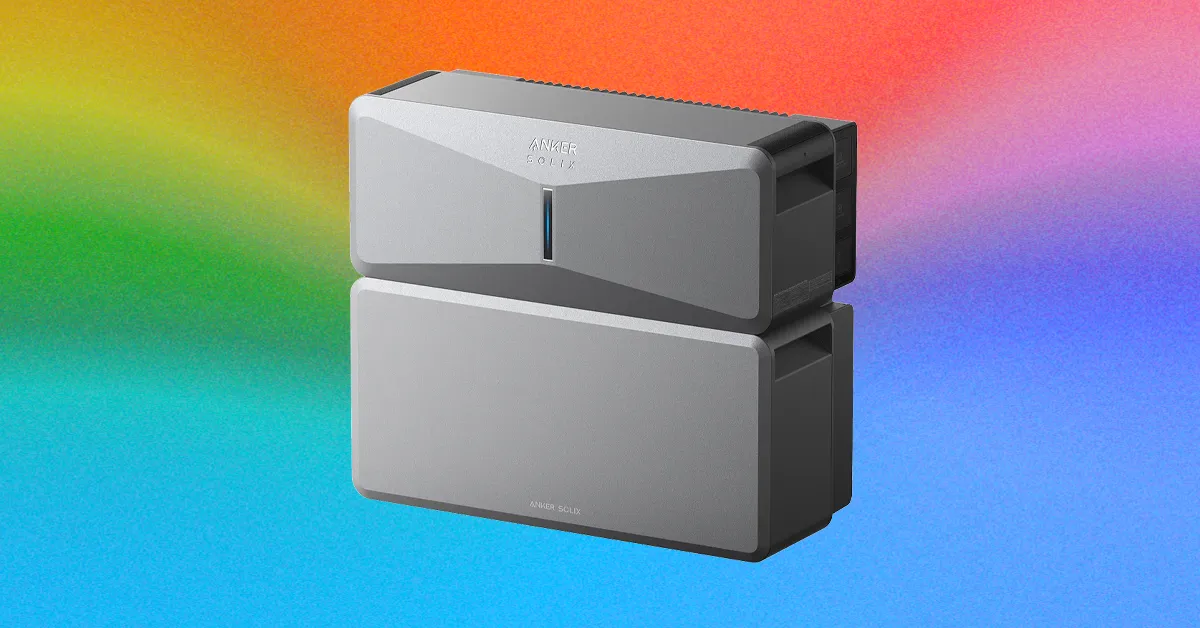
A consumer in Kansas City, United States, has reported reducing their monthly electricity expenditure by half following the installation of an Anker Solix E10 whole-home battery backup system. The installation allows the user to charge the battery during low-cost overnight periods and discharge it during high-cost peak hours, effectively countering the aggressive time-of-use pricing structures implemented by local utility provider Evergy.
Evergy is adjusting its rates to fund infrastructure upgrades, particularly those required for data centres, creating a pricing environment where charging during low-cost overnight periods and discharging during high-cost peak hours yields significant savings. The utility company uses a penalty-based time-of-use structure, with overnight winter rates dropping as low as 2 cents per kilowatt-hour, while summer afternoon rates can spike up to 36 cents. This contrasts with a standard plan costing 14 cents per kilowatt-hour, a rate the utility is reportedly increasing to invest in new infrastructure.
The consumer’s initial full-month bill in September was $372 for a 2,000-square-foot home built in 1906. The Anker Solix E10 system tested cost $7,200, including two batteries, a power dock, and professional installation. The system uses lithium iron phosphate batteries, offering a longer lifespan and lower fire risk compared to nickel manganese cobalt chemistry. The consumer estimates the system will pay for itself in approximately five years, with Anker stating a lifespan of up to ten years.
In June, the consumer projected a bill of $156, compared to $231 in the same month the previous year in a smaller home. The system’s app allows for custom scheduling of up to four daily periods and seasonal variations. A "Storm Guard" feature was disabled by the user because it caused the battery to charge during peak hours due to frequent summer storms in Kansas City.
The consumer’s two solar panels generated only 25 kWh per month, saving less than $7 monthly, due to suboptimal placement. The consumer’s electricity usage is 15% higher than similar homes, yet costs remain lower due to strategic battery usage. The setup requires professional installation, which took approximately four hours for a local electrician.
